




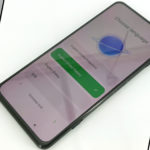
I've never had the opportunity to test a Black Shark phone, so this Black Shark 4 Pro will be a discovery for me, even if I'm not a gamer on mobile, my test should give you a sufficiently complete overview to help you in your choice.
Introductory offer
Goboo will be the first on European soil to sell the Black Shark 4 Pro with an introductory price of €579 if you order it in pre-sale, so don't delay too long if you want to buy it at that price. Black Shark 4 Pro at Goboo (2 years warranty and 14 days to change your mind)Manufacturer web site:
https://global.blackshark.com/
Structure of my tests
I test the phones according to a pre-established structure (see below) to provide you with as much information as possible. Unfortunately, this takes a long time. Some tests like network performance tests take several days and for photo tests I sometimes have to wait until the weather is suitable to take pictures in good conditions. I am therefore obliged to publish the tests step by step, so I invite you to come back if the test is not complete at the time of your visit.Price
The list below shows the prices for the from more than 50 sites around the world. If you are not satisfied with any price, you can subscribe to a price alert to be the first to be notified when the price drops.The above links are affiliate links from companies such as Amazon, Gearbest, Aliexpress,... If you appreciate my work, I would be grateful if you could purchase these products through these links. It costs you absolutely nothing but I get a small commission that allows me to buy the material I test. Thank you very much!
Timeline
January 10, 2022: receipt of the Black Shark 4 Pro, the test can start.February 23, 2022: Official phone launch
Why this phone?
I have never had the opportunity to test a phone from the Black Shark range before, these phones have been around for a few years but the opportunity has simply never presented itself until today. The Black Sharks had always managed to stay one step ahead in the performance race, but now many other models (from Xiaomi or from other manufacturers) are marketing phones of equivalent power. The interest in the Black Shark range is fortunately not limited to the price / power ratio and it is the combination of all the other factors that I wanted to test to see if this phone really offers a suitable experience for gamers.Unpacking
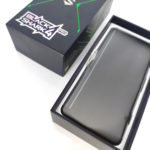
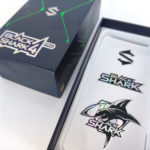
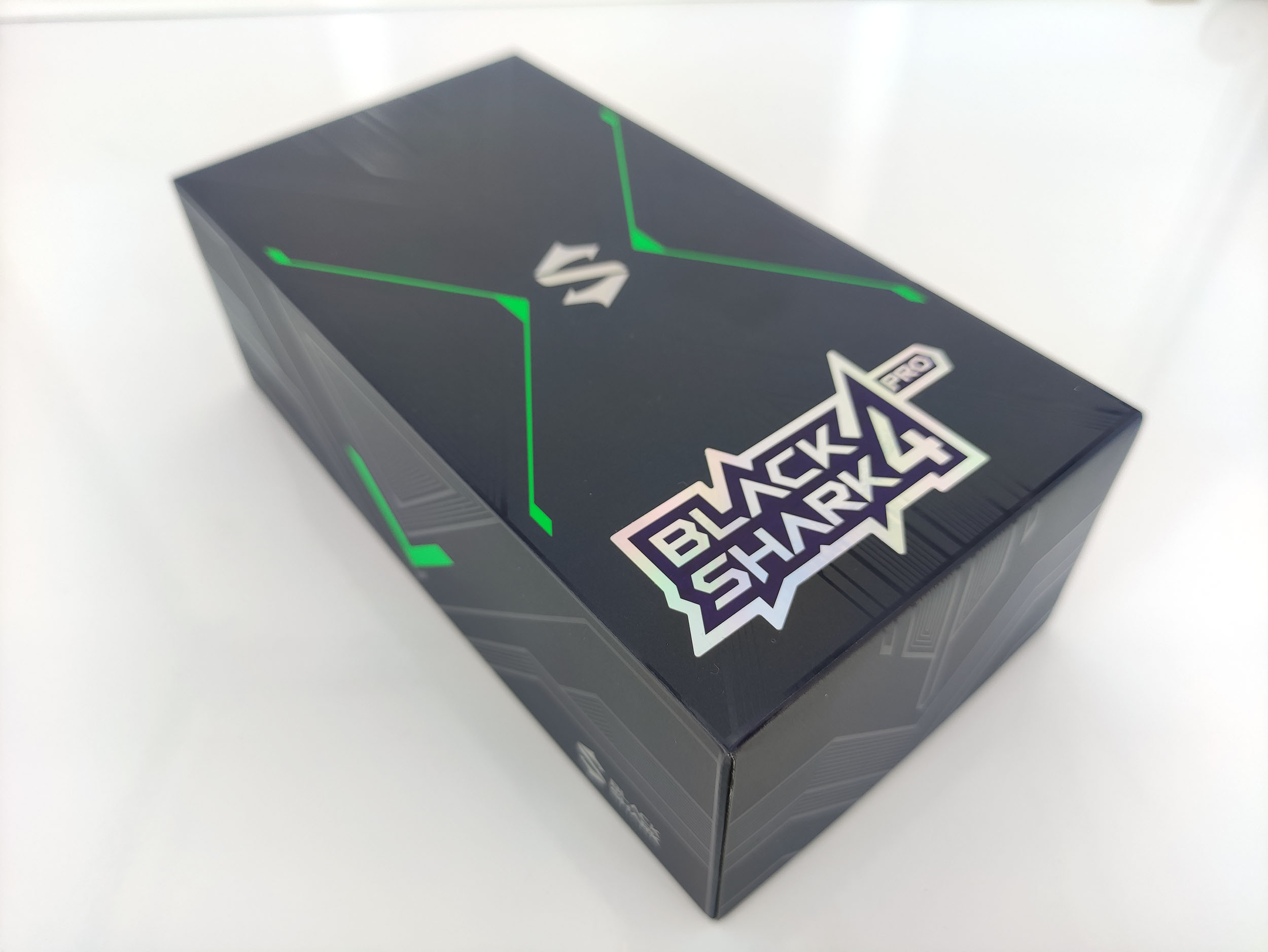
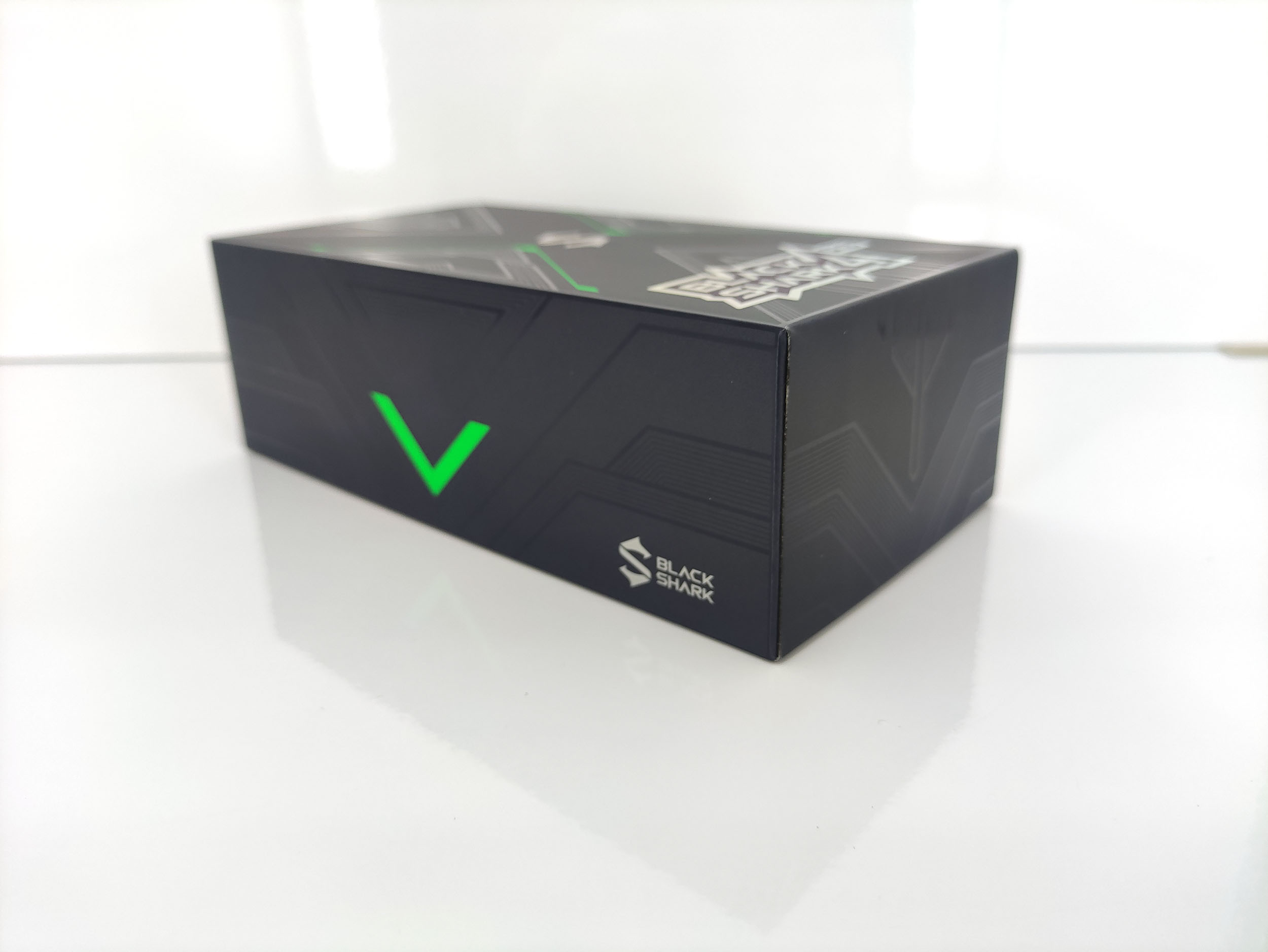
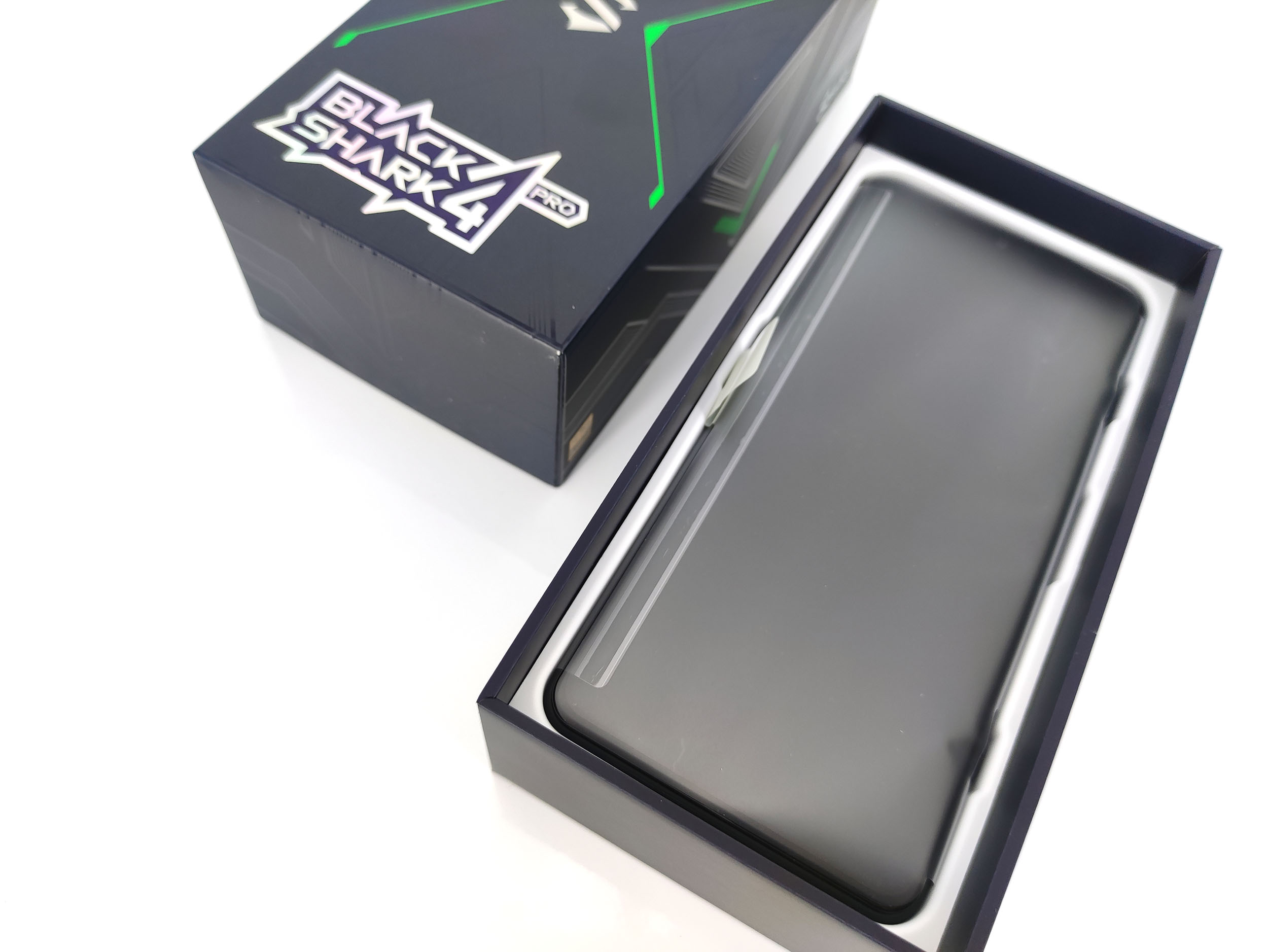
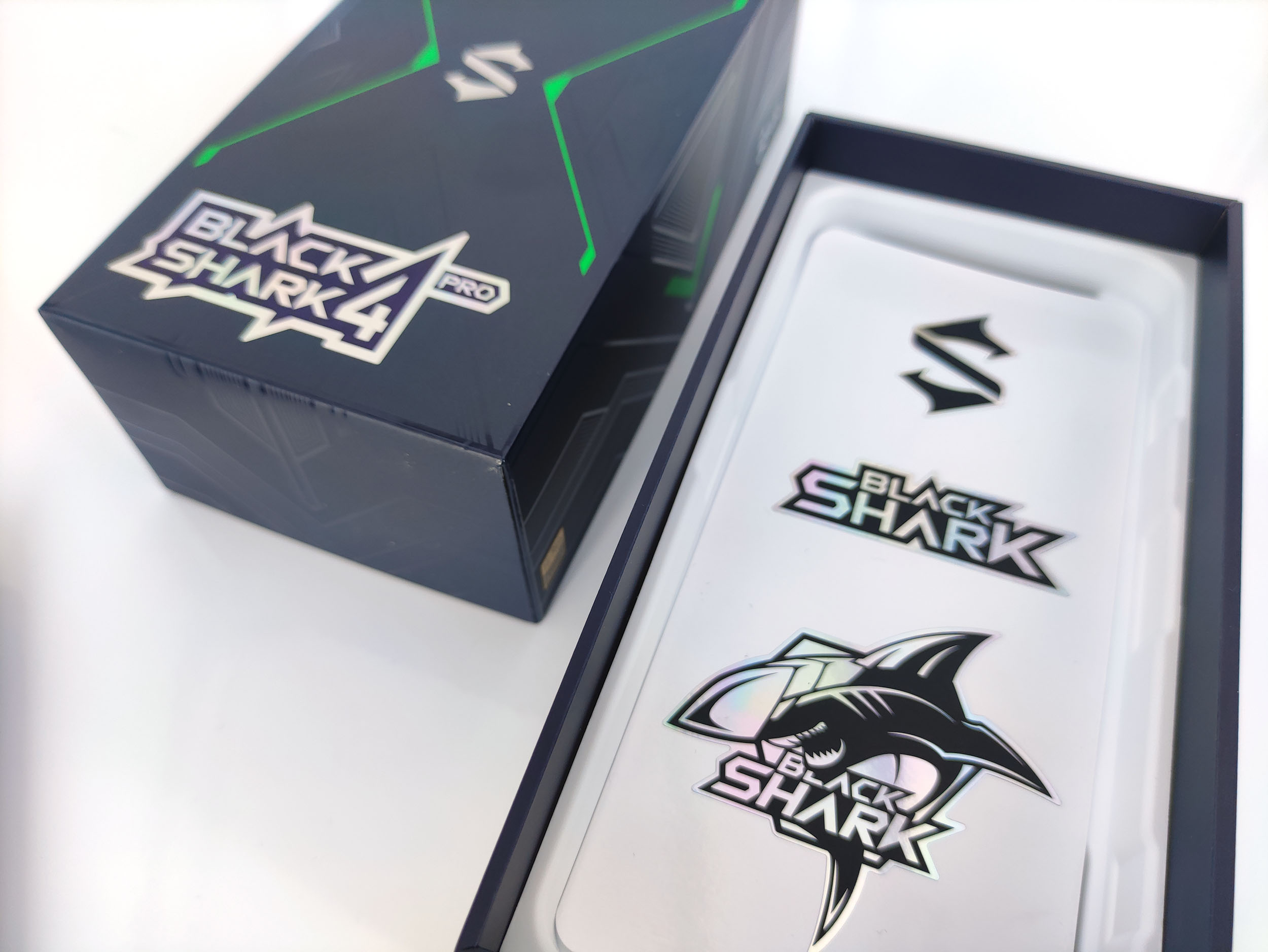
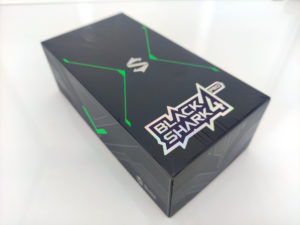 The box of the Black Shark 4 Pro already gives a very clear idea of the identity of the phone. The combination of black and green is typical of the brand like yellow and black are typical of the Poco brand. The graffiti type lettering is another element that we will find everywhere with this phone. Black Shark has a strong visual identity that can be found on all their products, I had tested a Black Shark mouse and earphones and there too this same attention to detail was present.
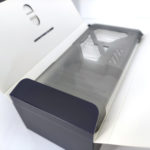
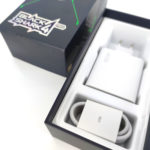
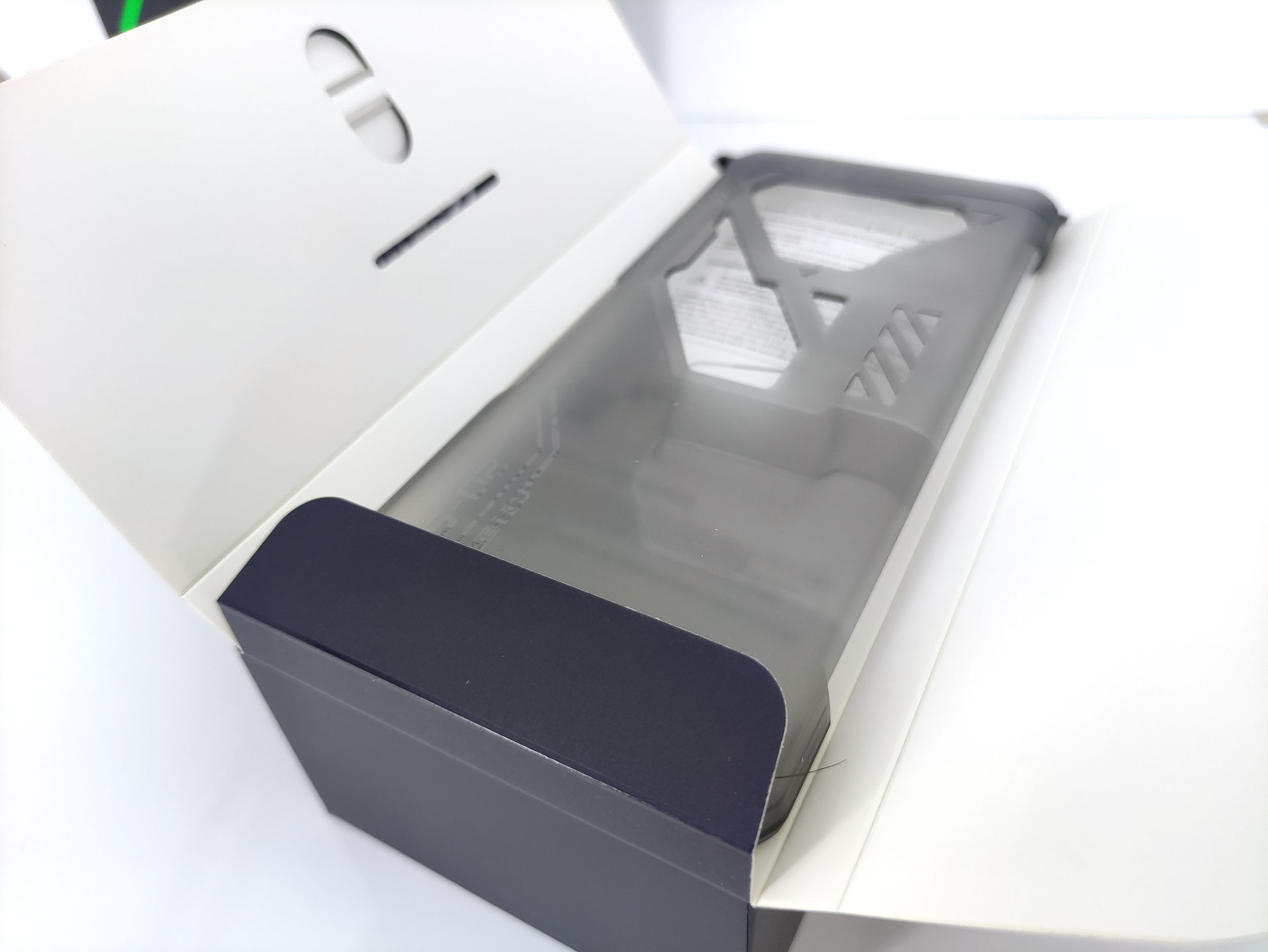
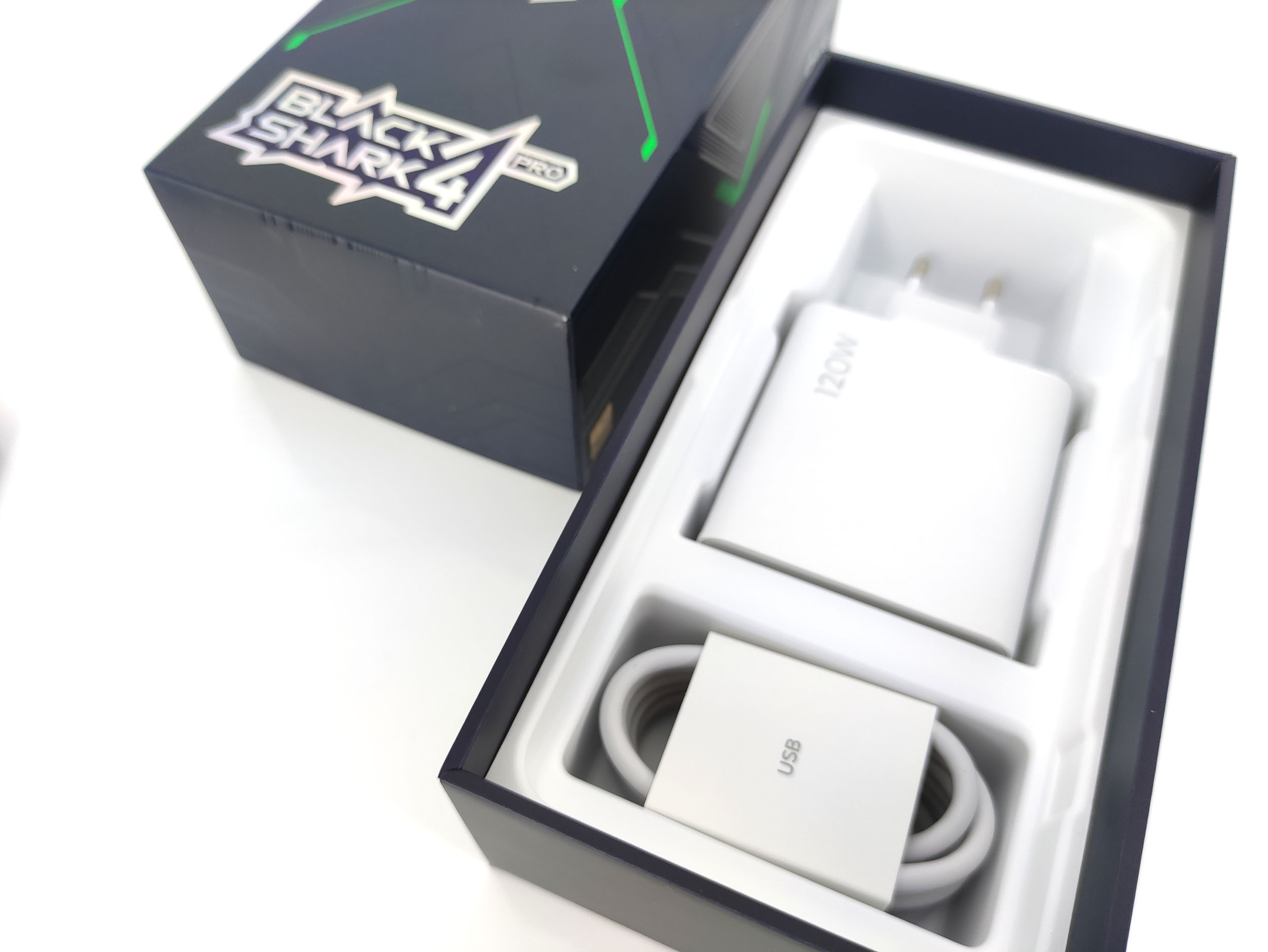
 The box contains the phone, a hard plastic cover (with large openings on the back), Black Shark stickers to personalize the phone, a USB cable and a 120W charger. The contents of the box are therefore quite classic, only the 120W charger stands out, this is the first time that I have tested a phone with such charging power.
First configuration
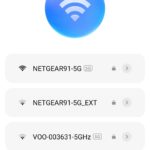
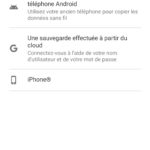
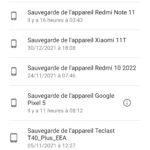
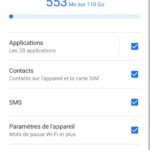
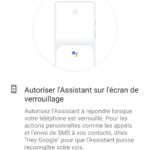
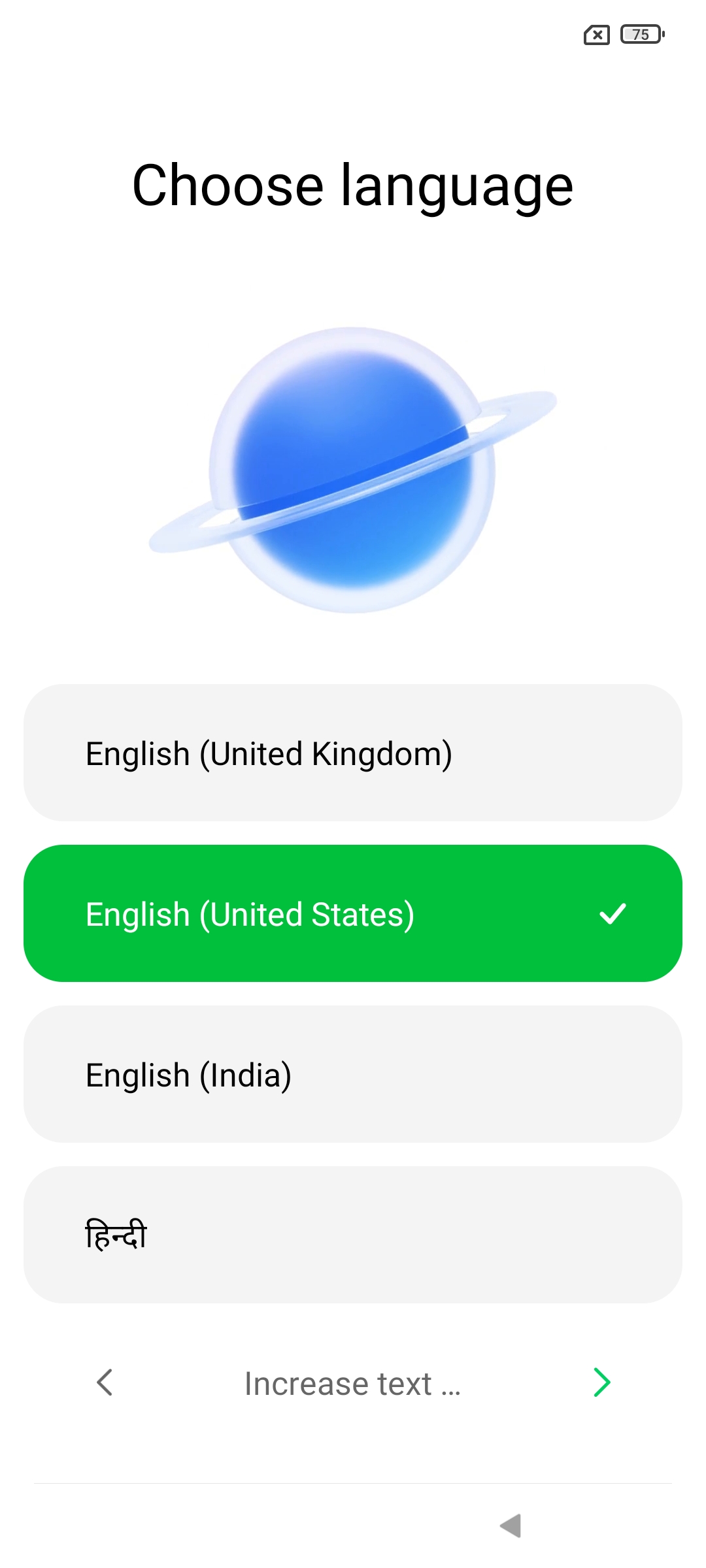
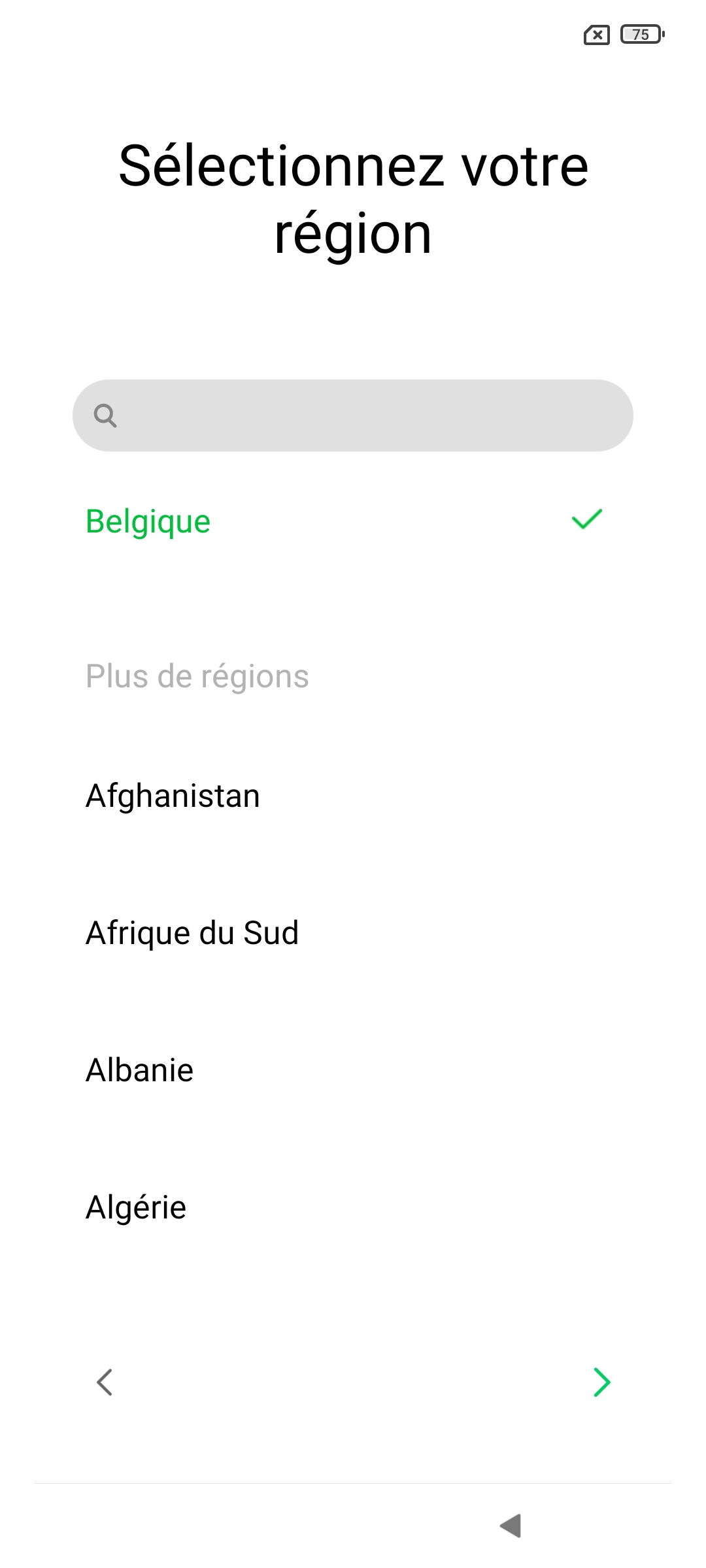
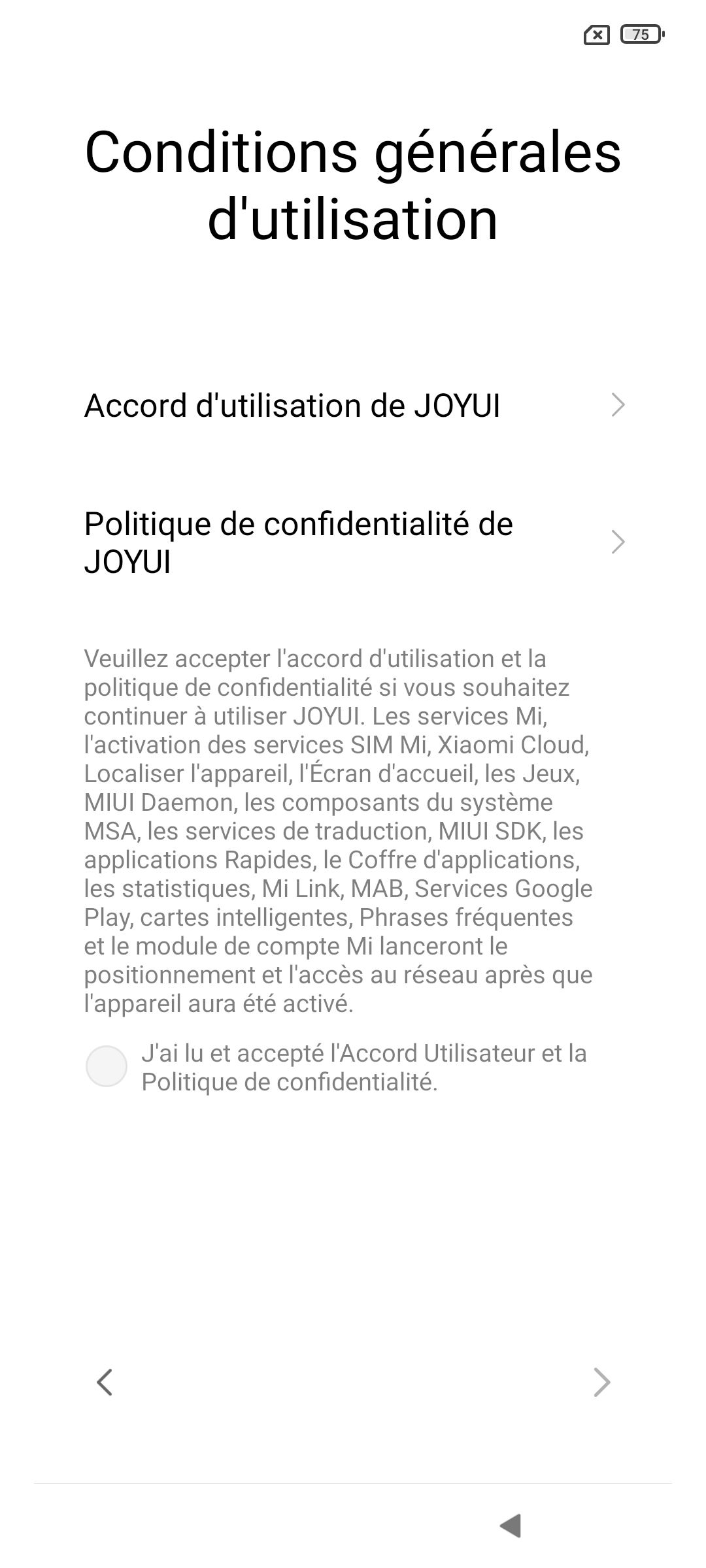
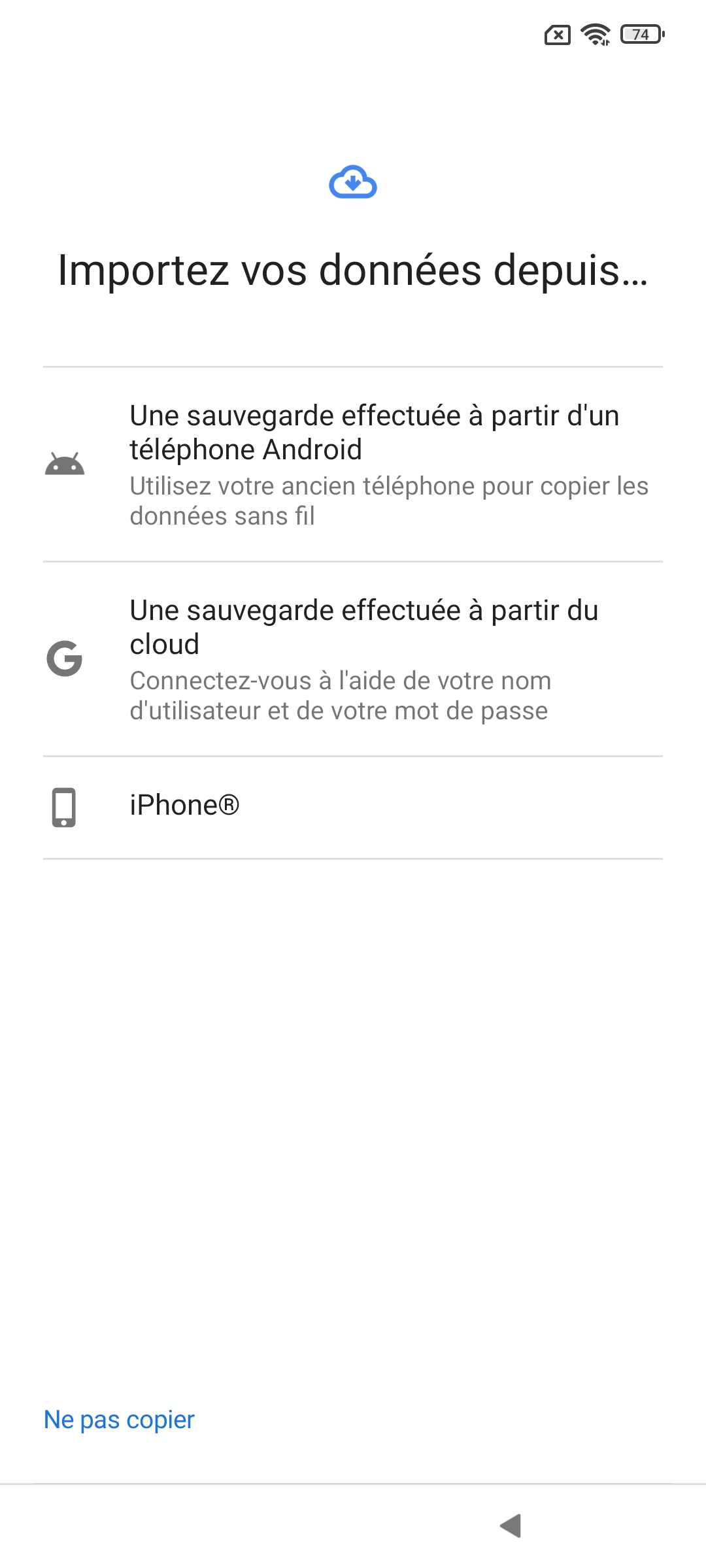
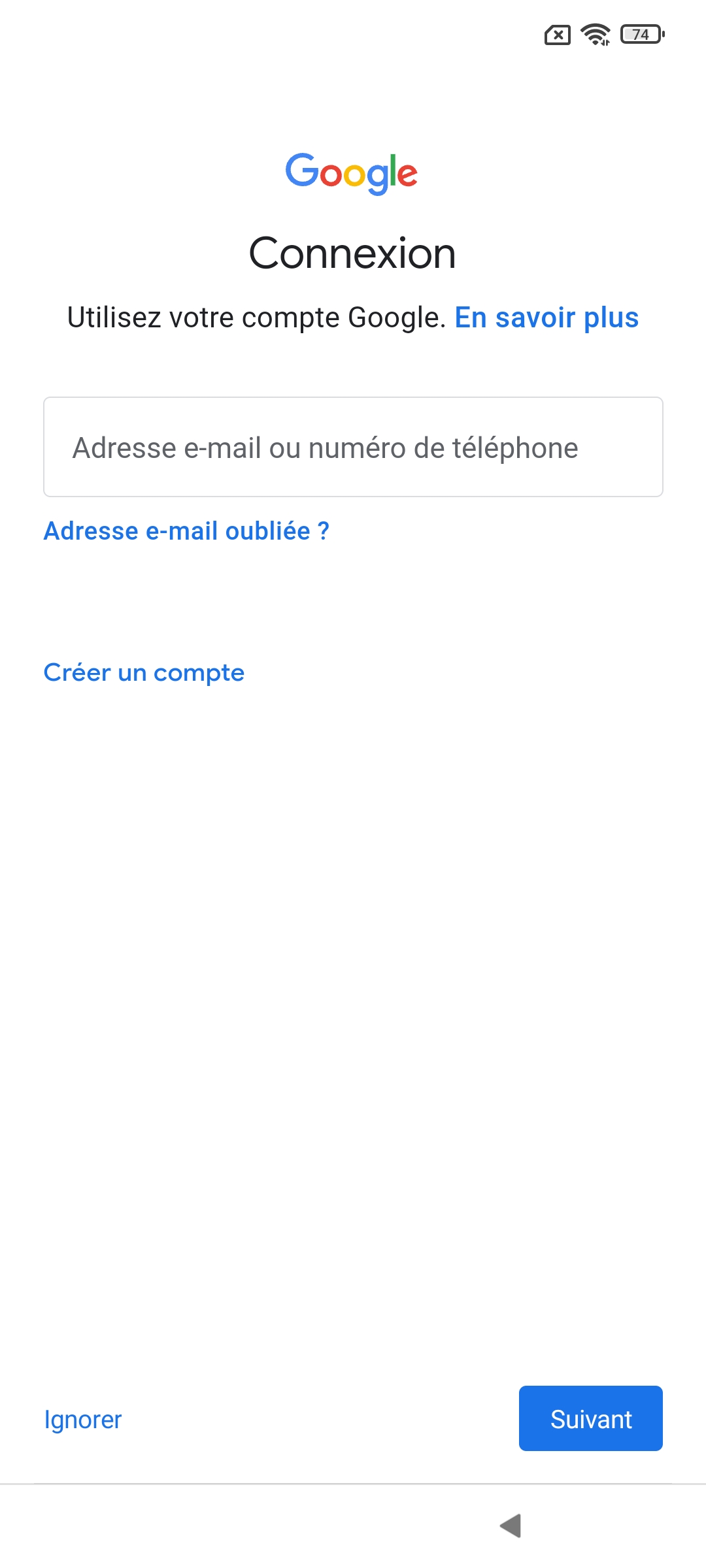
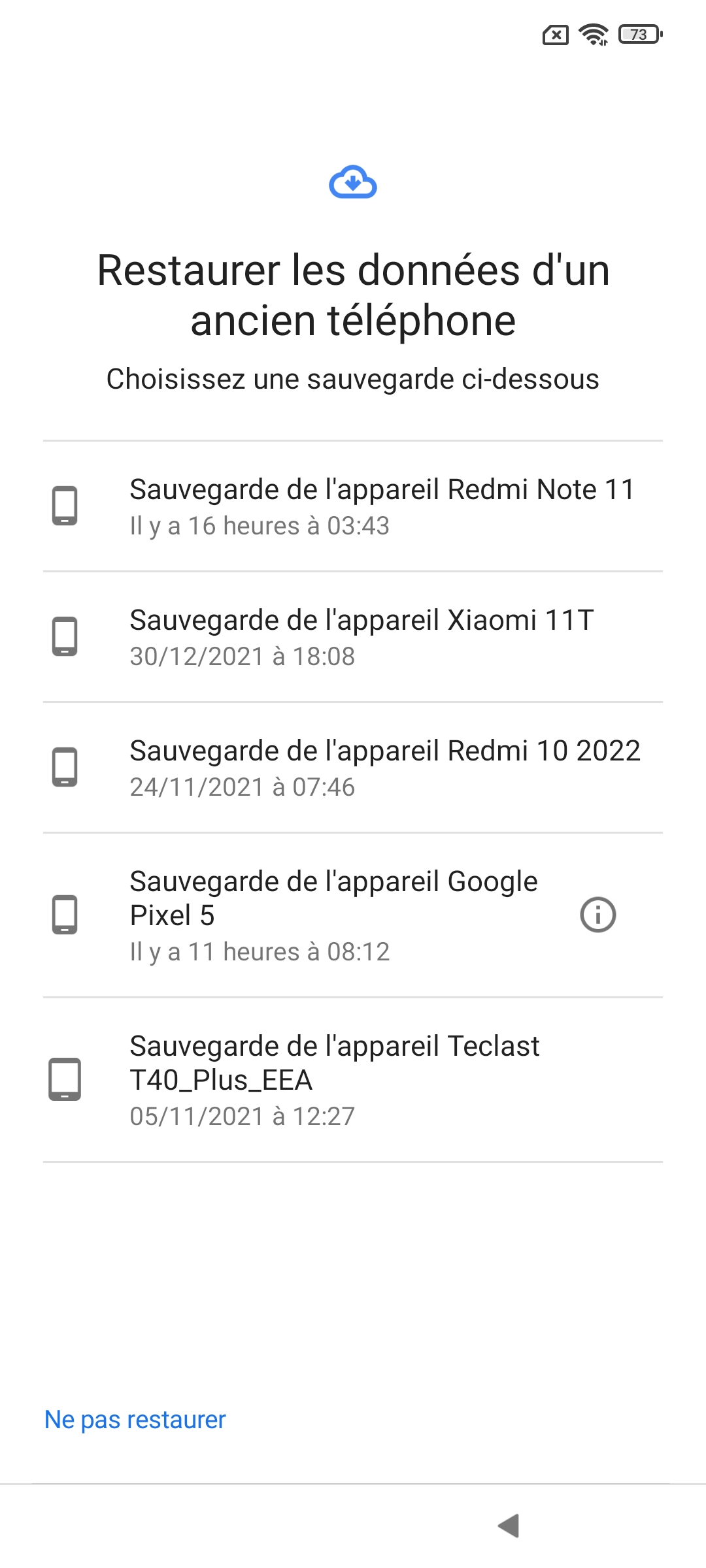
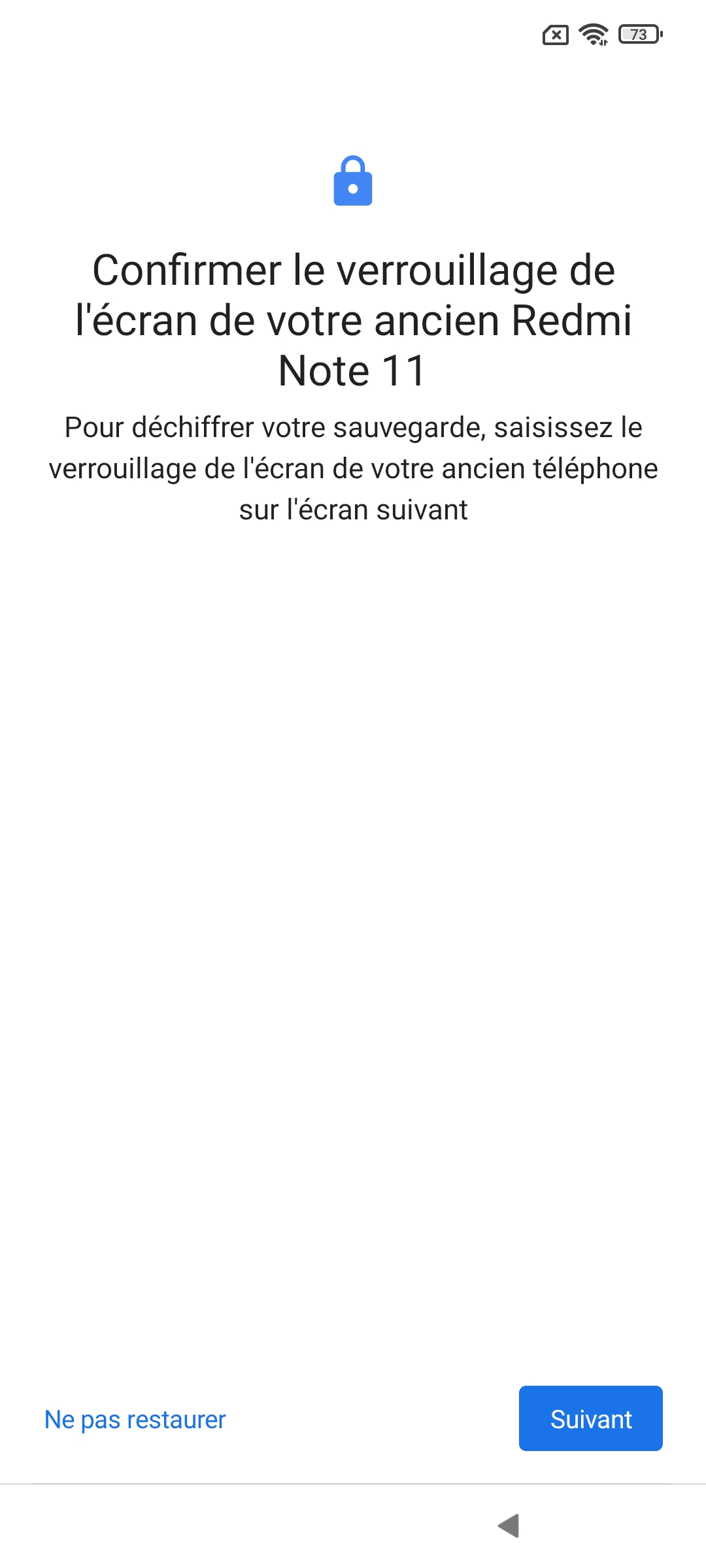
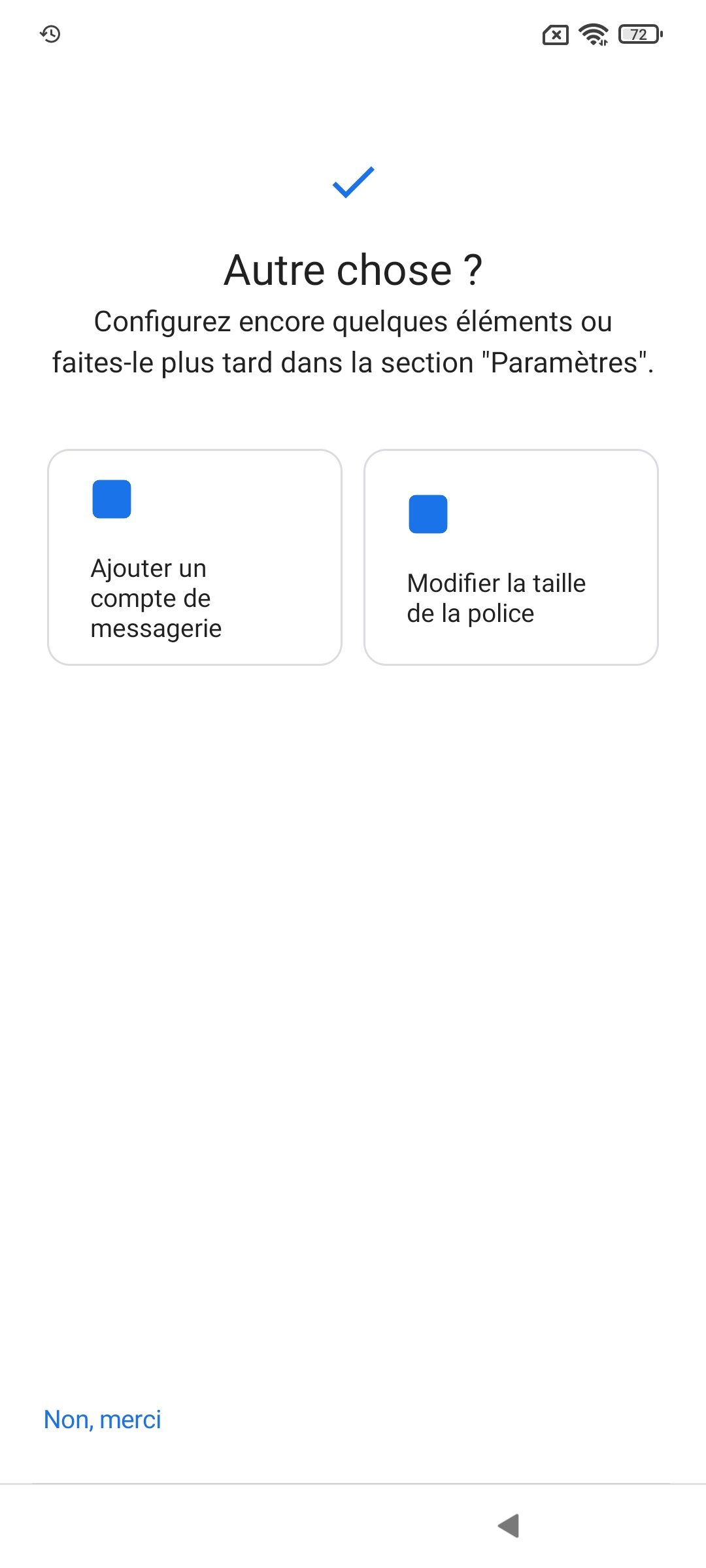
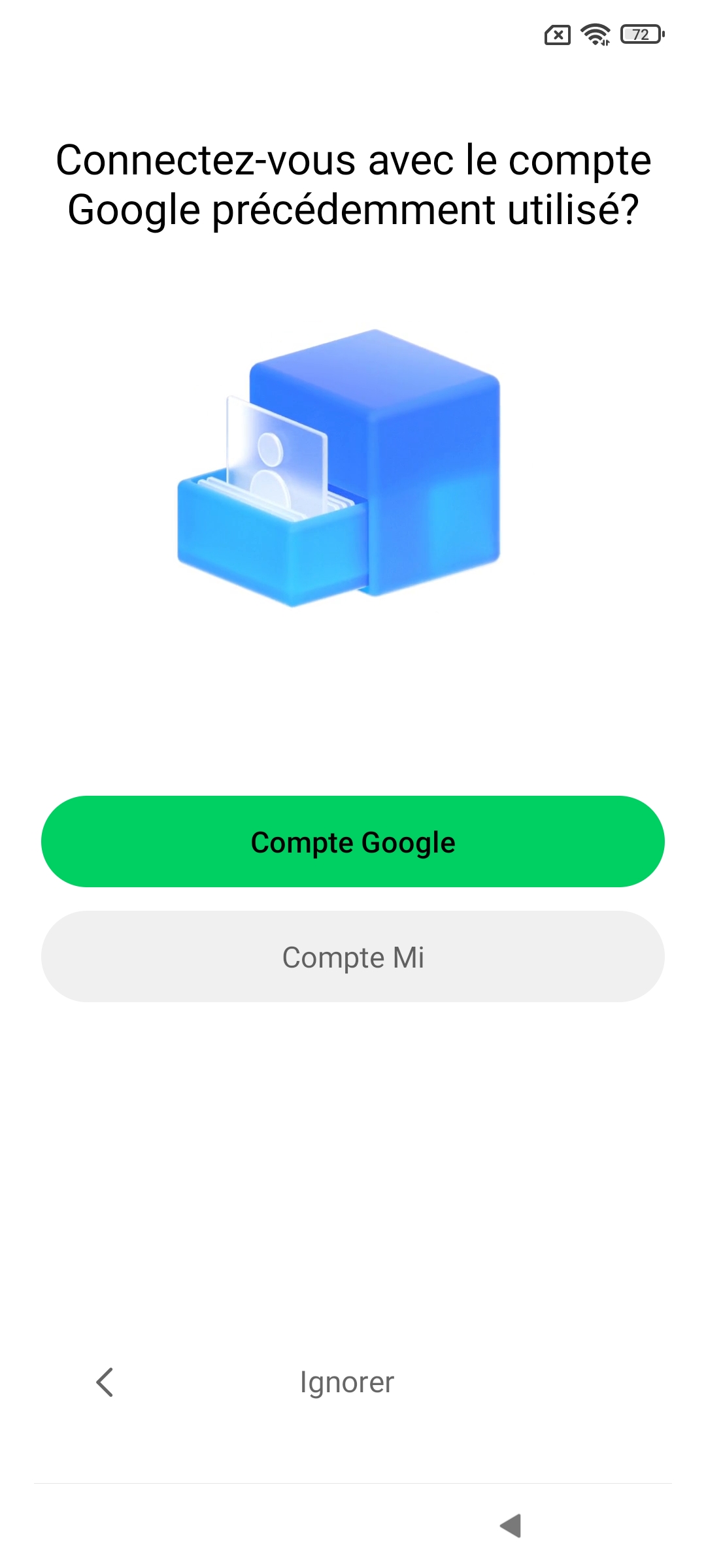
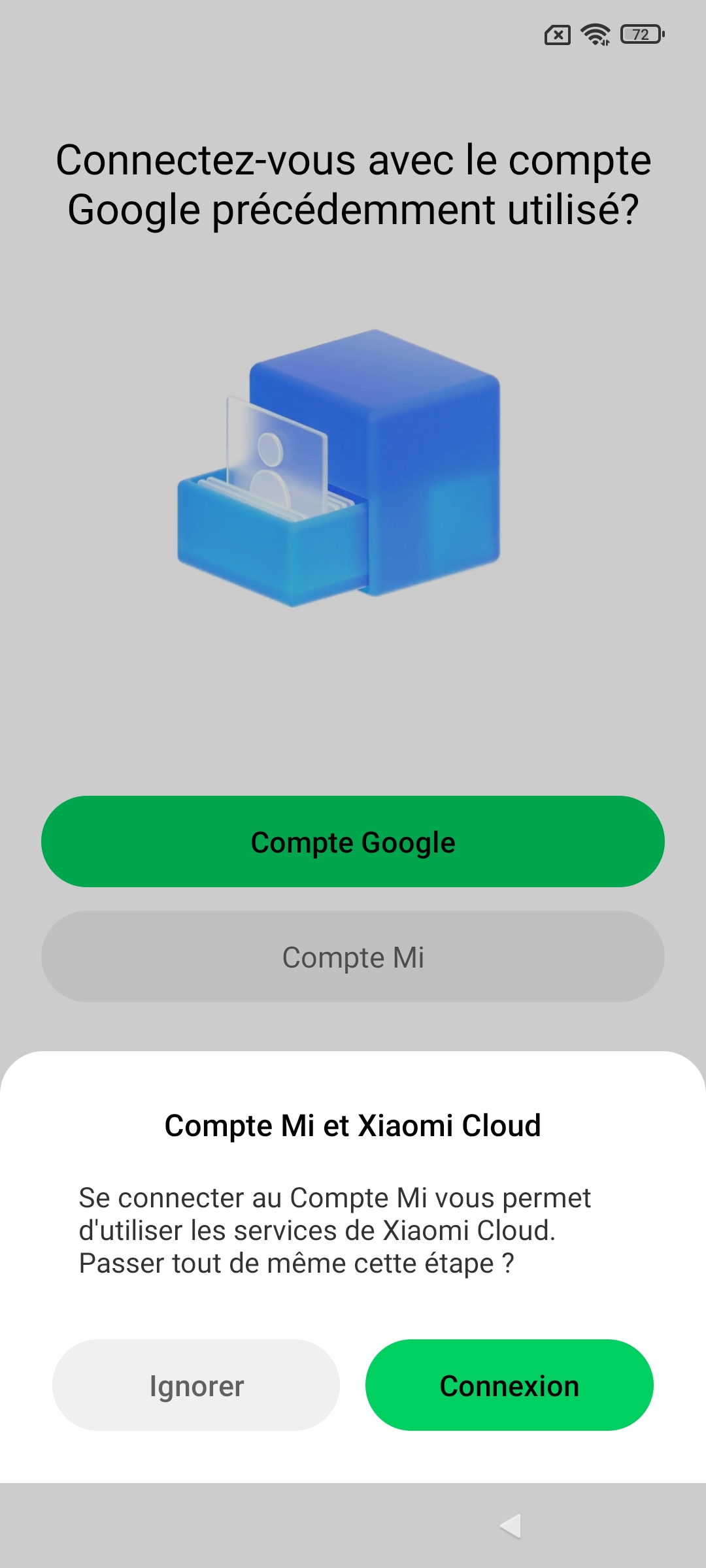
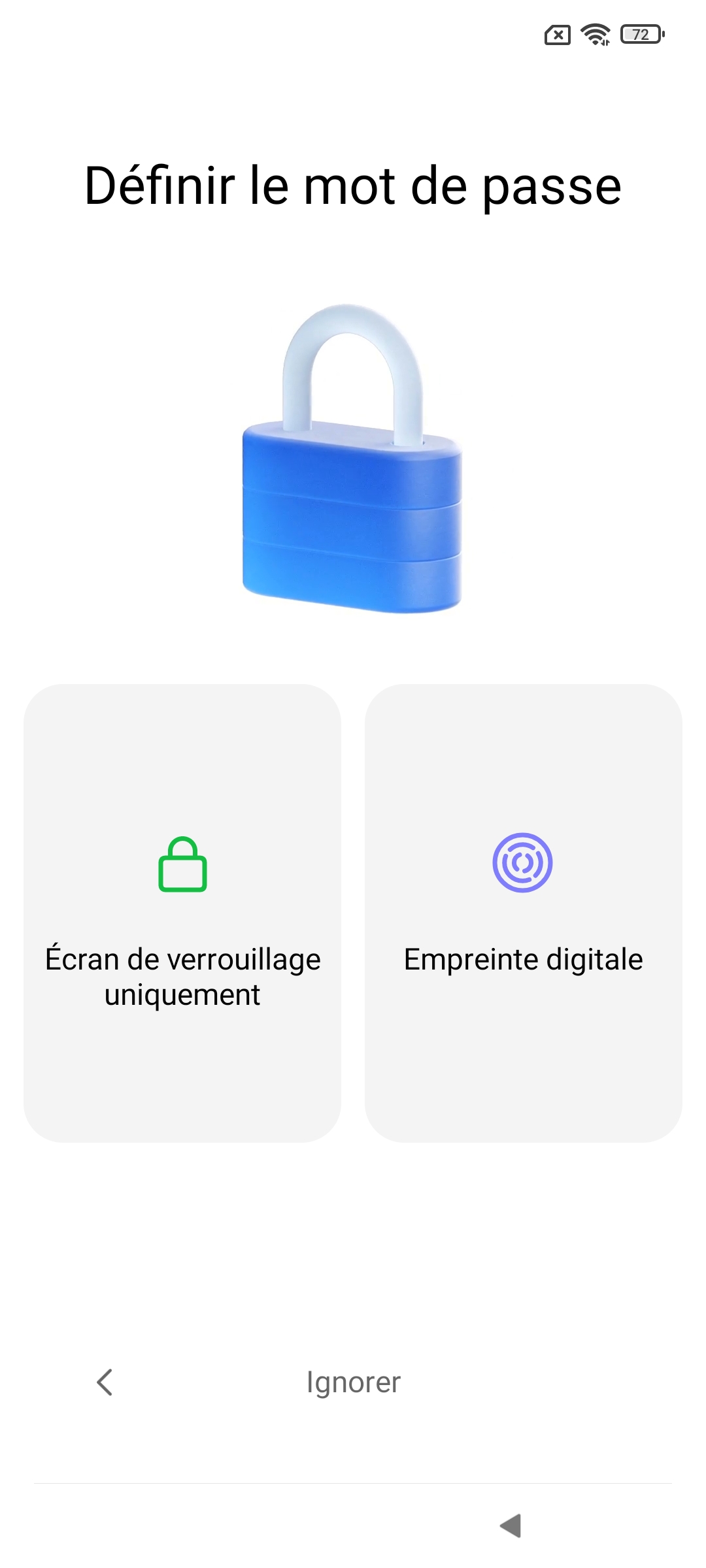
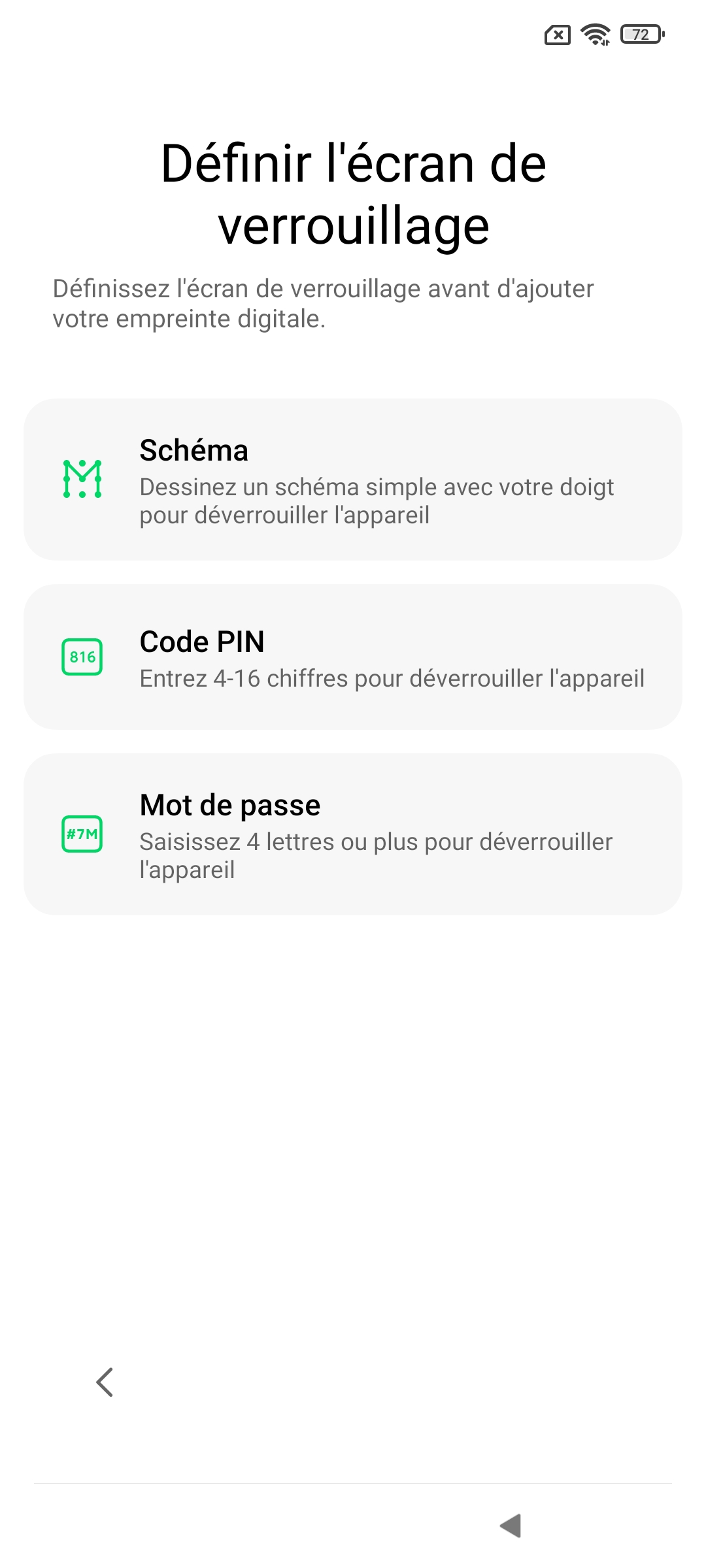
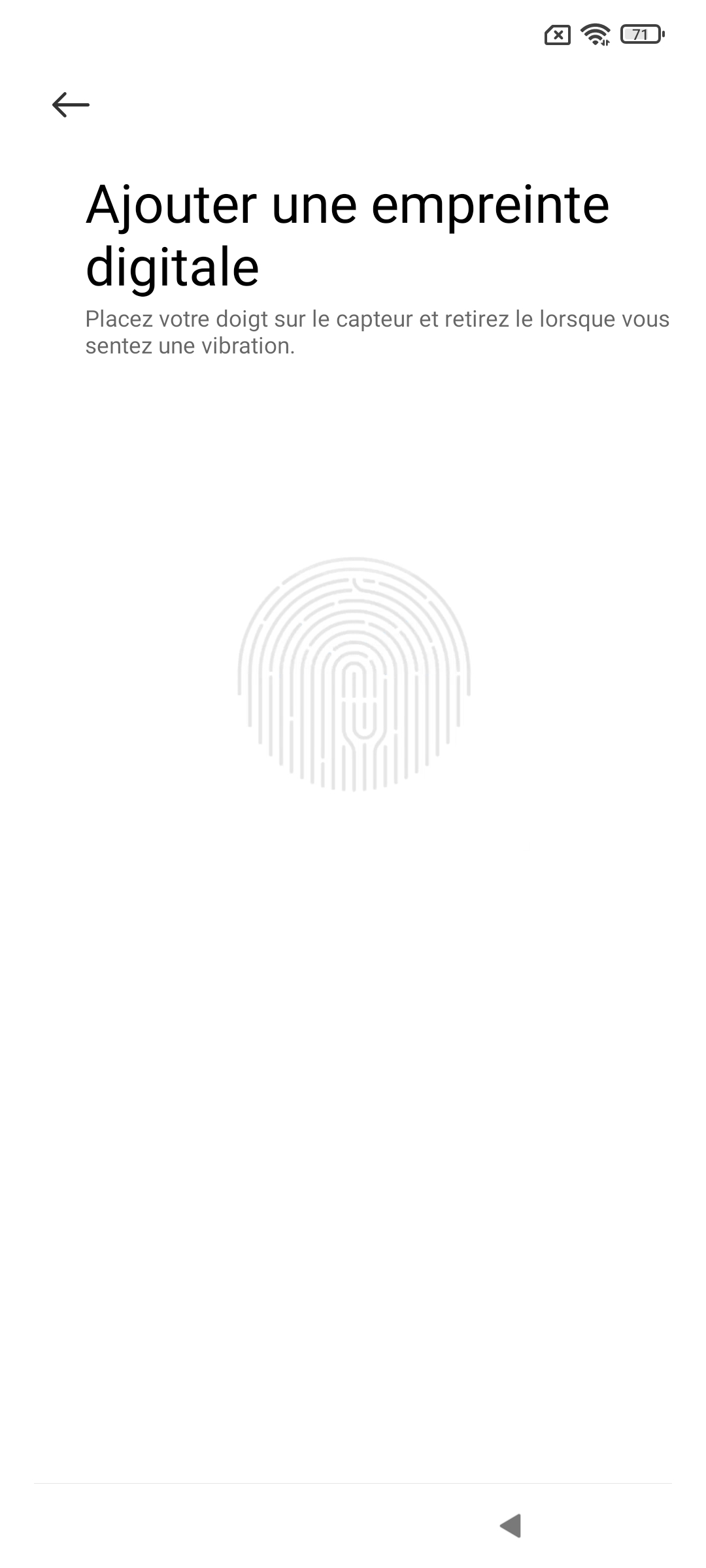
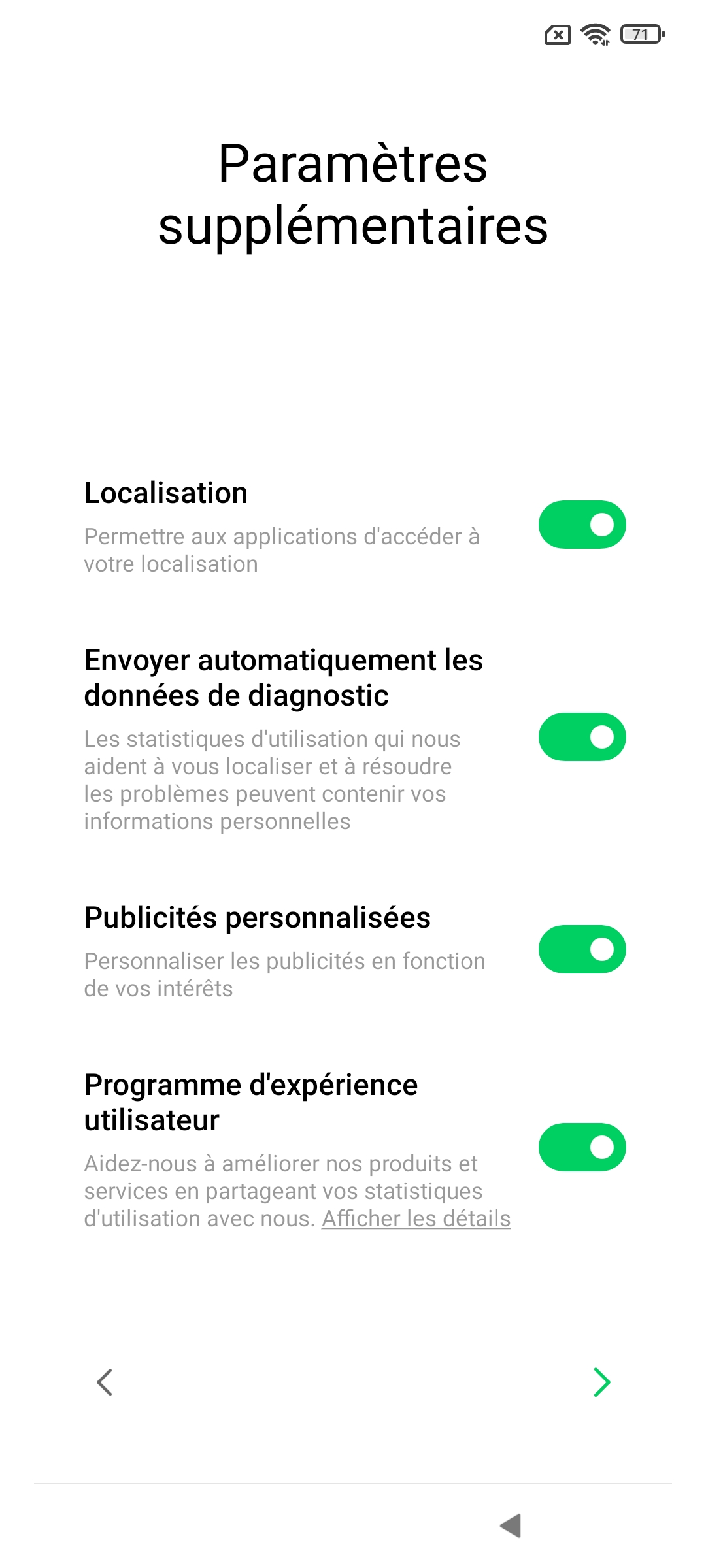
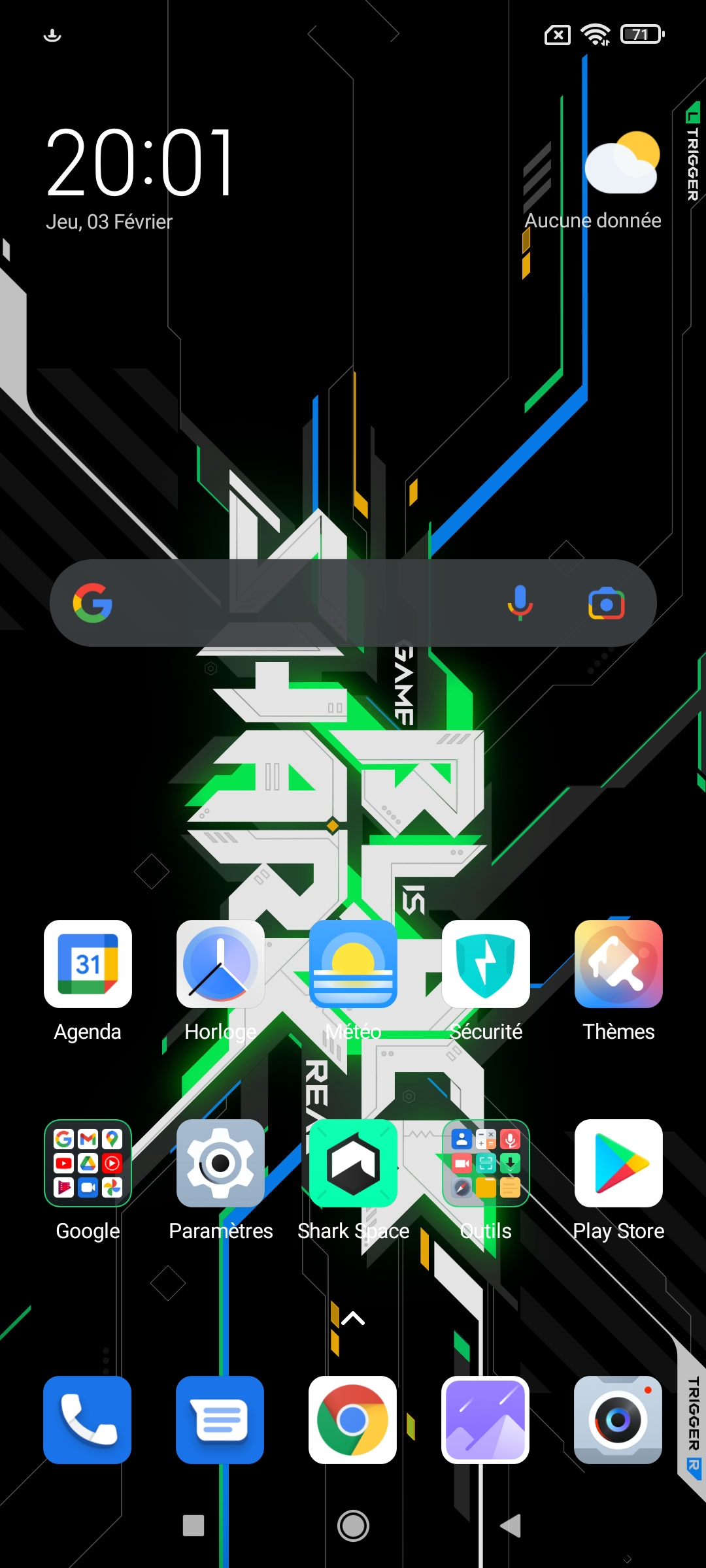
The Black Shark uses a variant of Xiaomi's operating system. Instead of using MIUI, the Black Shark 4 Pro runs on JOYUI but for the initial setup you won't really see a difference with Xiaomi's interface.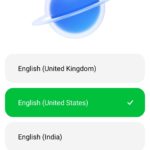








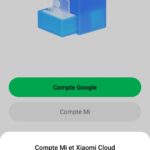
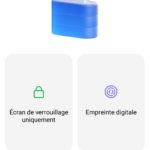
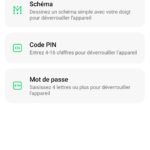


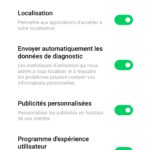

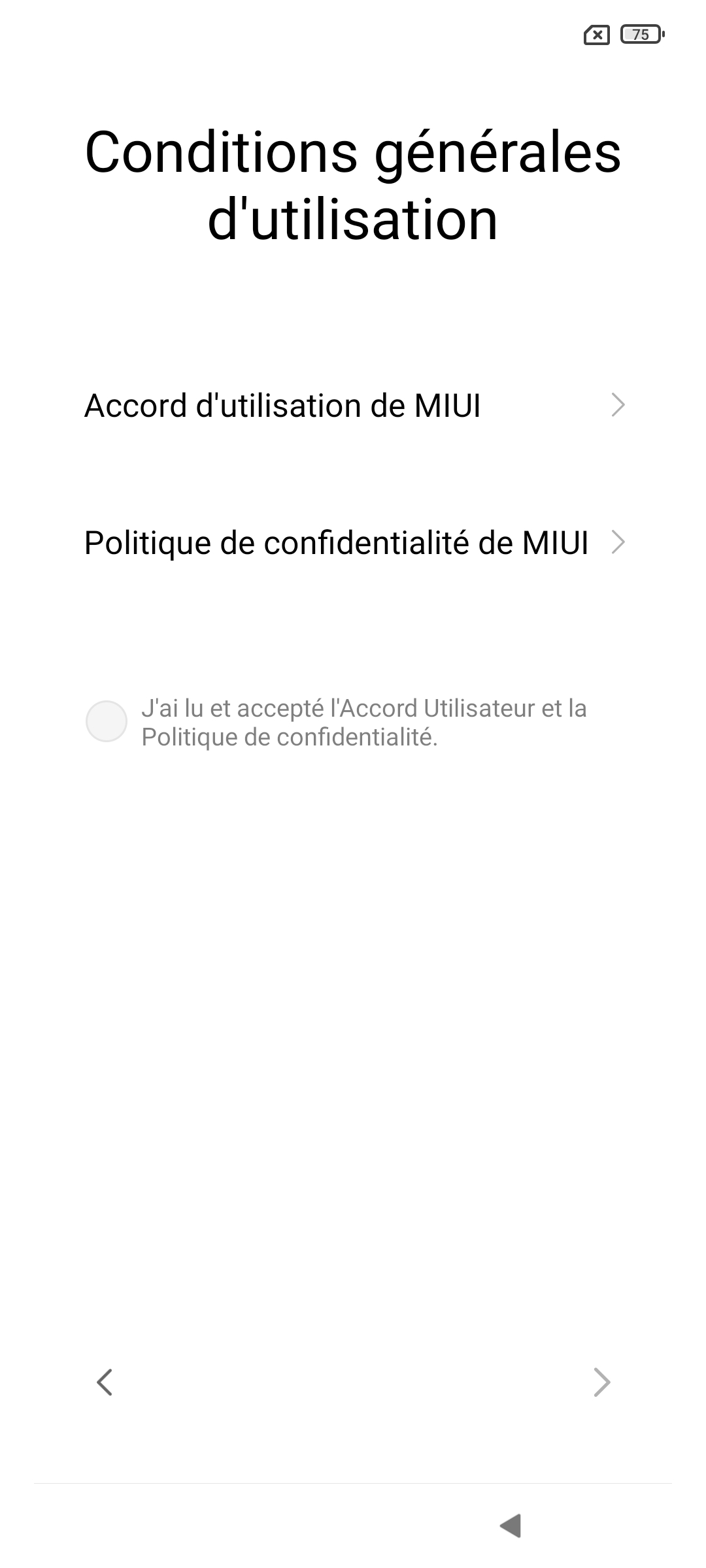
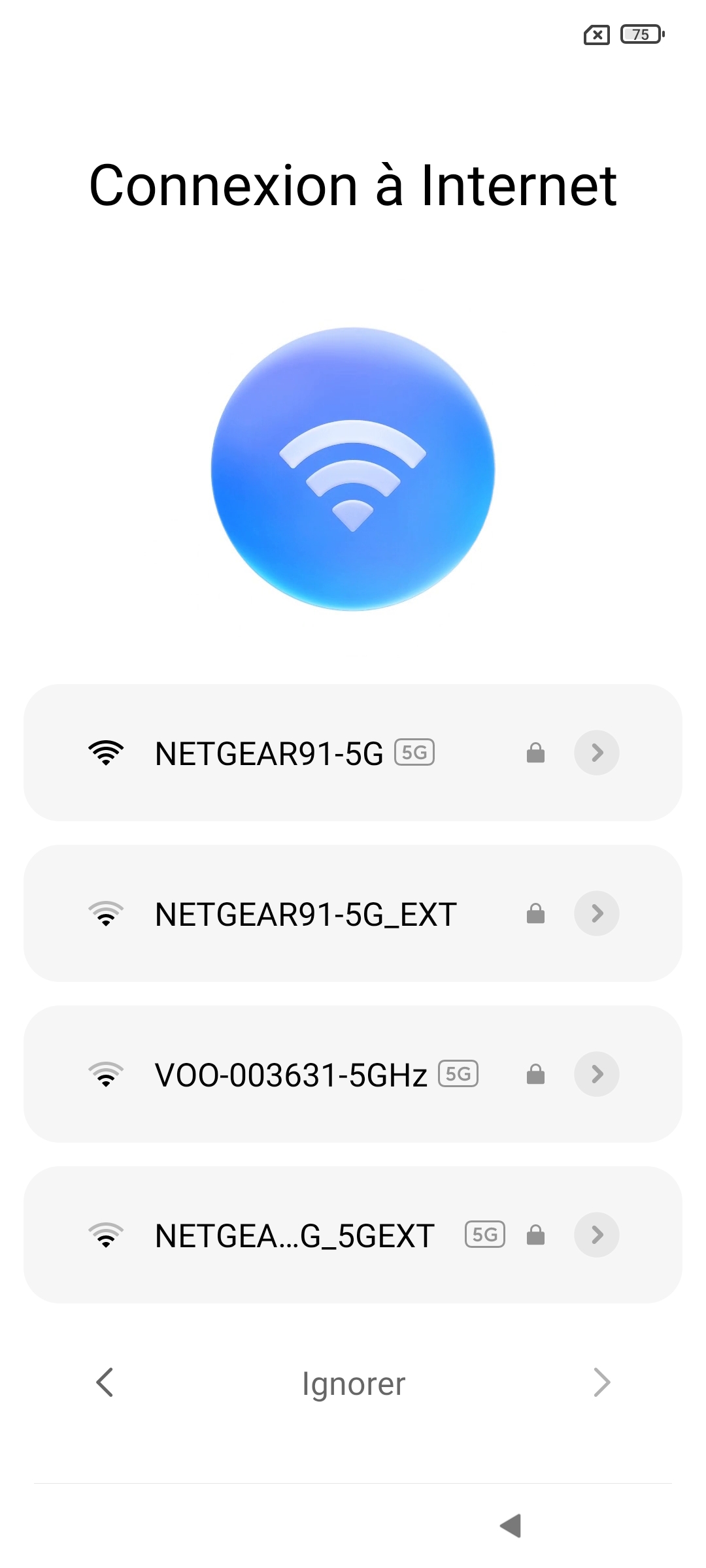
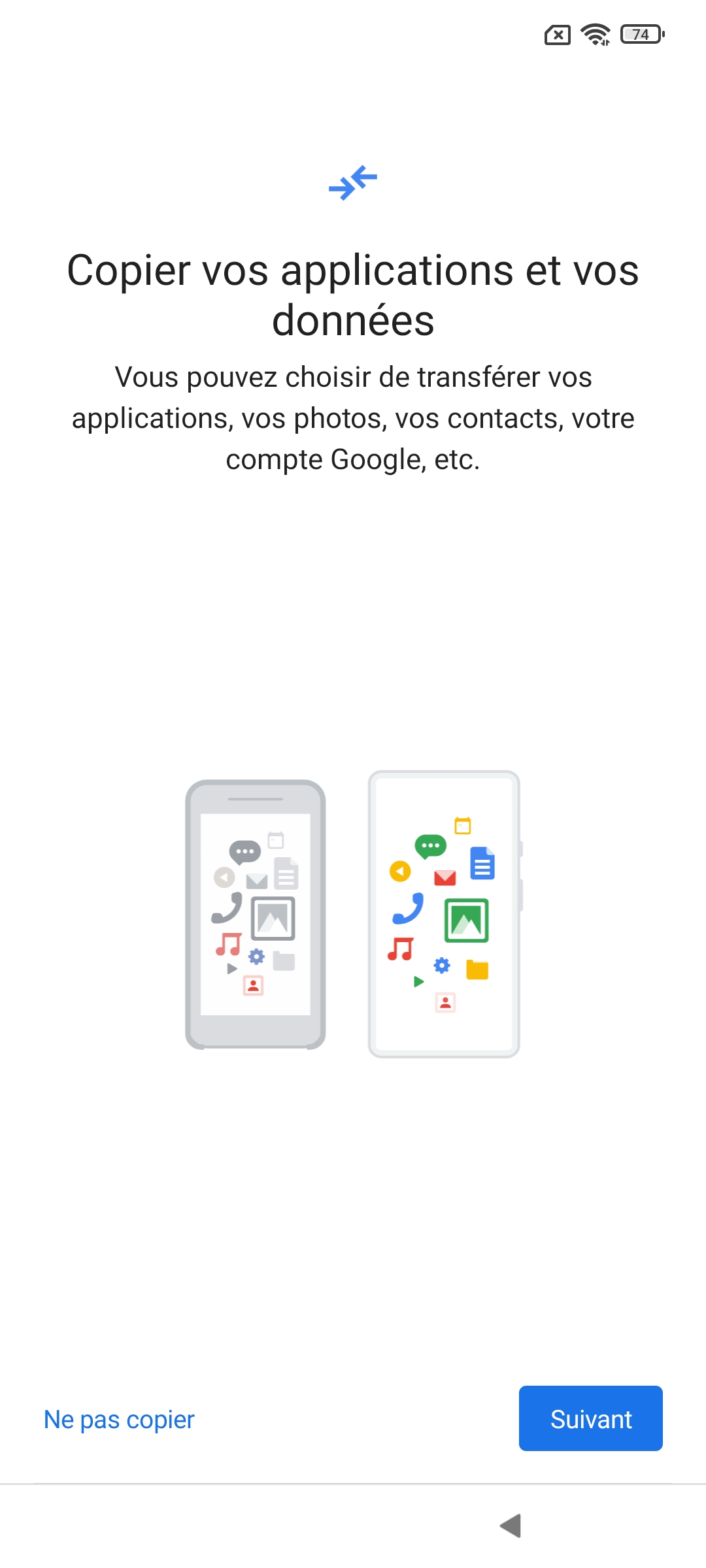
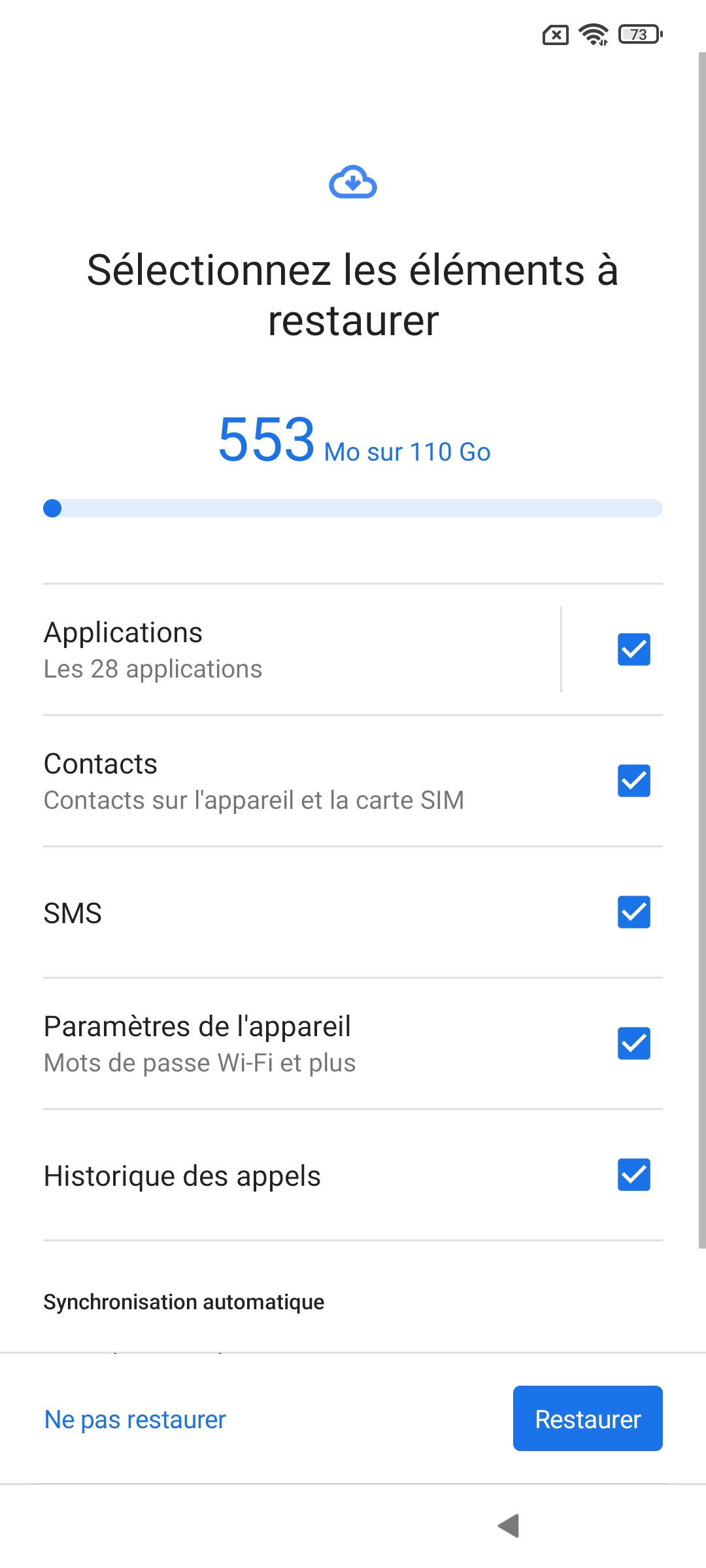
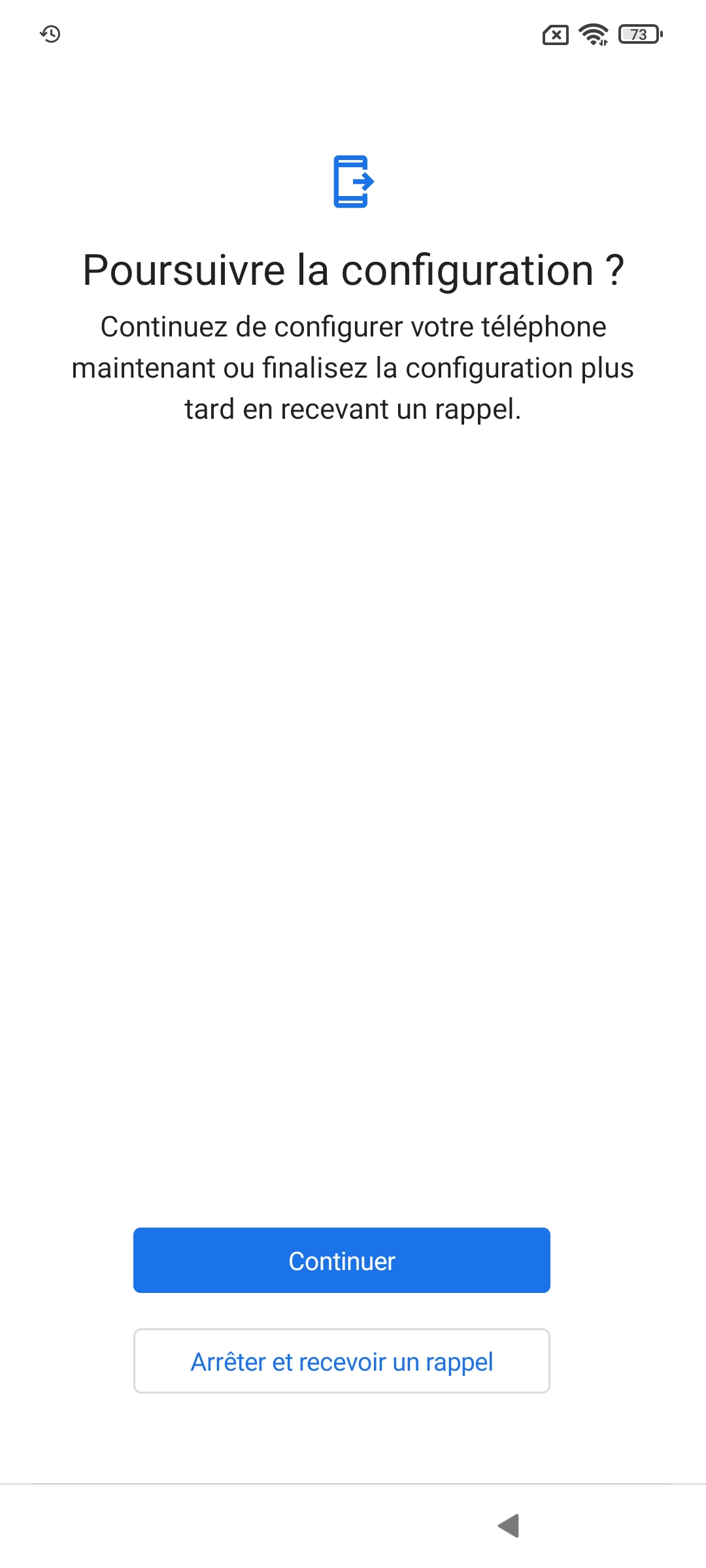
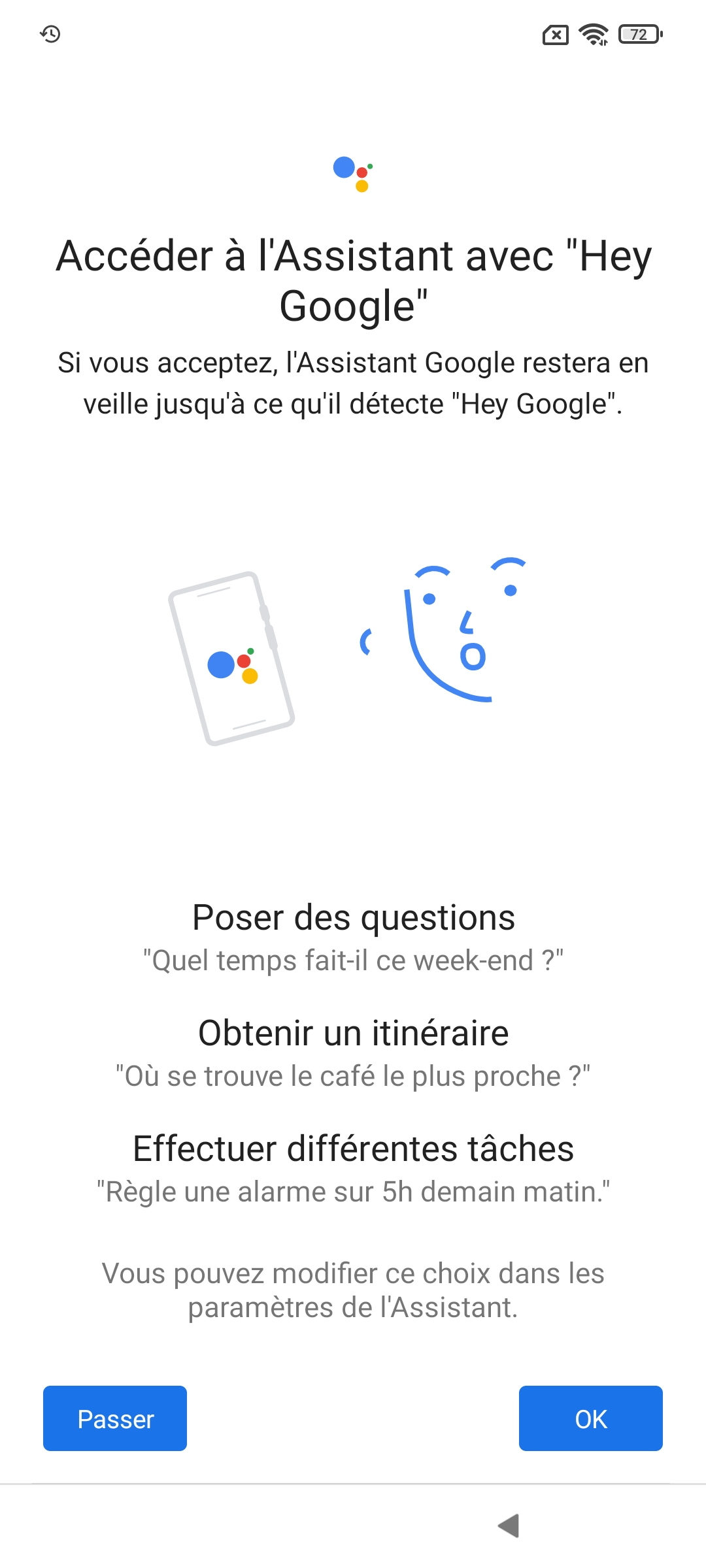
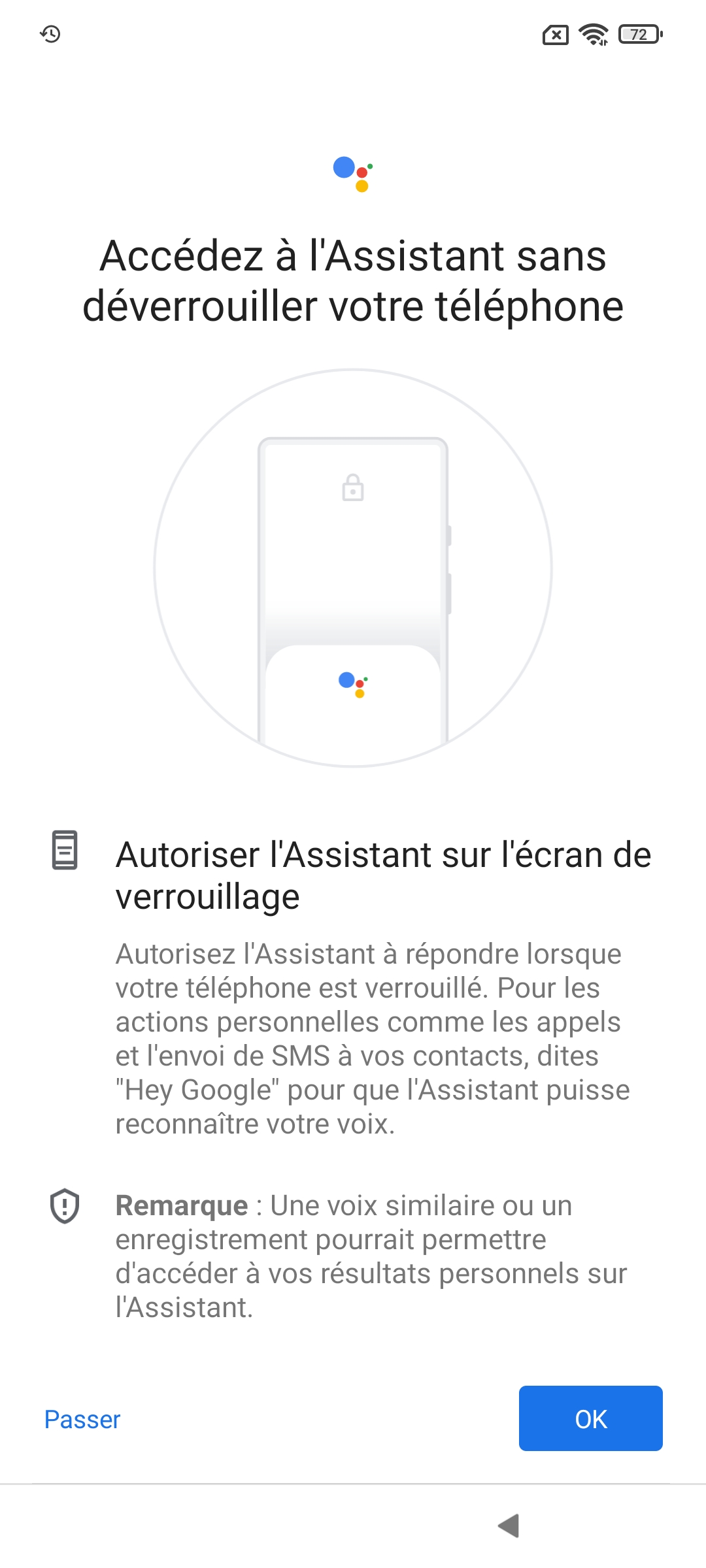
Finish
 The Black Shark 4 Pro is quite big and quite heavy (220 grams) but that's the price to pay to get a good performance with a good screen. The back of the phone has a metallic look that reflects light with a little mirror effect, it's nice but fingerprints will quickly cover this beautiful metallic look. The small triangle below the camera can light up and you can even configure the color of this triangle to, for example, assign a color for calls. I'm a little surprised that the brand is not more present because Black Shark wants to be a strong brand but the representation of the brand on the back of the phone is quite discreet. The logo could have been a little bigger and why not be illuminated like the triangle under the camera.
 The photo block has a somewhat particular shape with its stretched diamond structure, this shape corresponds quite well to the identity of the brand and despite the massive appearance, this photo block does not stand out not much from the back of the phone. Its elongated shape also allows the phone to be better balanced when it is placed on its back, the phone is perfectly stable. This photo block is made up of 3 sensors and a led for the flash.
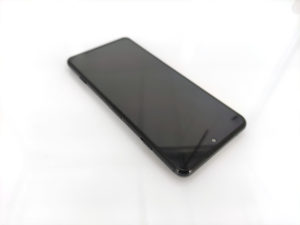 The front of the phone is not so separable from another phone, it's a bit the same on most phones, the edges of the phone are perfectly rounded.
 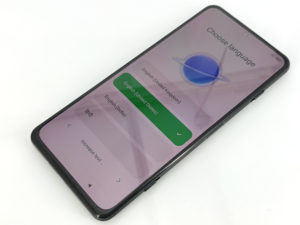 The screen takes up 85% of the available space, there is a thin border visible all around the screen with a slightly thicker border at the bottom. So it's not a full-screen experience, but it's getting close. The screen is just interrupted by a selfie sensor placed in the middle, this sensor is quite discreet and its placement has never given me any problems in use.
 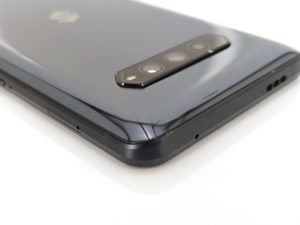 On the upper edge we find one of the two speakers and a sensor for the sound, there is no infrared transmitter here like on the Xiaomi.
 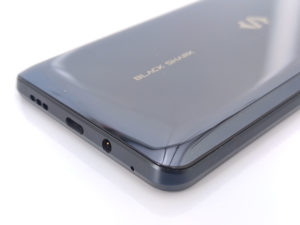 On the lower edge we find the second external speaker, a jack type audio output and the usual USB type C port.
 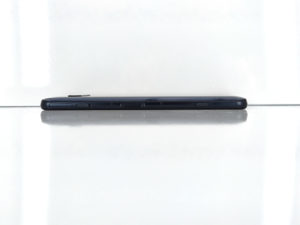 On the left side we find the sim drawer as on most phones, this sim drawer can contain 2 sim cards with a double-sided arrangement (1 card on each side). There is no slot for a memory card but given that the phone offers at least 256 Gb of storage, a memory card is probably not necessary. The particularity of the left side of this phone is the presence of volume buttons and unlike other brands, it is not a fad. The placement of the volume buttons responds to a constraint because it was necessary to free up space on the other side to be able to place control triggers for the games.
 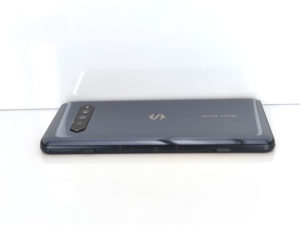 The right side of this phone is quite unique, there is of course the ignition button combined with a fingerprint sensor but at the top and bottom, there are two buttons which are intended to bring out control triggers for games. The triggers move in and out of the phone depending on the use of these buttons. As these triggers are quite sensitive, it avoids pressing them by accident, so this system is very practical. If you are not in game, these triggers can for example take a screenshot by emitting the sound of a camera. It is therefore better not to expose these buttons to avoid making hundreds of screenshots.
 This phone's level of finish is really good, I can't really see what you could blame it for. It broadly takes up the features of a Xiaomi 11T (also for the components) with a variant in terms of its visual identity and the presence of triggers for games.
Specifications
The information below comes from the Device Info HW application. The application provides detailed technical information about the tested phone. I tested the 12 GB / 128 Gb version of this phone, you will find all the detailed characteristics in the following screenshots. Looking at these specs I noticed the following things:- the accelerometers, gyroscopes and magnetometers are the same as on the Xiaomi 11T
- the chipset for sound is a chipset that I don't haven't tested yet and Black Shark highlights the sound quality of the device, I'm curious to see the result
- the screen supports a frequency of 144hz
- the storage memory is of the UFS 3.1 type and this should bring great comfort to daily use, access to the storage memory will be very fast
CPU / GPU Performance
The Black Shark 4 Pro uses a Snapdragon 888 processor, it is currently one of the most powerful processors on the market. I have already had the opportunity to test this processor on other phones such as the Realme GT.For the graphics part, the Black Shark 4 Pro relies on an Adreno 660 that we also find in the Realme GT. These two phones are therefore very comparable from a technical point of view. It is also the same with the Xiaomi 11T Pro.
Benchmark Antutu/3DMark
I got a score of 759986 with Antutu v9, I couldn't get Antutu v8 to work. I had scored 811,000 with the Realme GT which uses the same components, so I suspect Antutu v9 measures phones differently. Be that as it may, whether it's 759,000 or 811,000 points, we find ourselves here in the top in terms of performance and today there are probably no games greedy enough to put this genre troubled phone. GamingTo test the performance in game, I download the mobile PUBG game and evaluate the in-game experience, graphics level and depth of vision. This game is quite demanding and should help you evaluating the performance of a phone. The Black Shark is a phone for gamers so the gaming experience was to be expected to be good. I tested PUBG Mobile and Fortnite, in both cases the game runs with maximum detail and without the slightest slowdown. I even exceeded 50 FPS. The phone hardly heats up, its cooling is also very efficient.
Network performance
The Black Shark 4 Pro is a very complete phone in terms of frequency support. It covers both 3G, 4G and 5G frequencies. It also covers 9 5G frequencies and 18 4G frequencies. So you can use it anywhere in Europe without problems. [network_support]Signal 4G (from December 2020)I decided to change the methodology for measuring the network because I noticed that the configuration of the mobile network changes over time. This makes it more difficult to compare phones because the conditions are no longer exactly the same.
To overcome this problem, I set up a device that captures 24 hours a day about ten parameters from the mobile network (ex: cell id, rssi, rsrq, snr, frequency,...). I then place the phone next to the device for 24 to 48 hours taking the same measurements so that I can compare them.
Overview of the phones tested with this methodologyTo measure the network sensitivity of this phone, I made 2384 measurements, it is more than usual and the reason is very simple, I had forgotten to remove the phone from my test space. I got an average signal of -95.42 dBm with the phone and an average signal of -95.178 dBm with the probe. This is an excellent result and on the following graph we see that the measurements of the probe alternate with those of the telephone, as if the duel between the two was very tight.
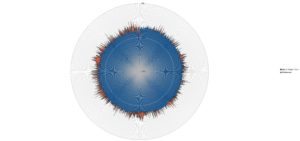 This phone more than likely uses the same modem as the Xiaomi 11T as I got very similar results with this phone.
Download/Upload speed
To test the download speed, I have identified some 4G cells offering good performance where I test all my devices several times to see what download and upload speed they can achieve.
Wifi performance
To test a phone's ability to receive the network properly, I take measurements near my router and then remotely (and always at the same place). This gives me an average in dBm where a value of -90 dBm indicates poorer performance than a value at -30 dBm.Wifi signalThe Black Shark 4 Pro is equipped with a Qualcomm 6490 chip for the mobile network, bluetooth and wifi. This chip gives access to the Mimo 8x8, this means that the phone has 8 antennas which theoretically offer a better signal and a higher speed. I got a good signal near the router (-15 dBm) and also at a distance (-58 dBm), these are good scores which should also translate into good stability. I measured the signal stability and noticed something unusual. When I do my tests the phone stays on the same network for the duration of the test, this network is the best in terms of quality thanks to the proximity of the router. This phone changed networks during the test by connecting to a network that was further away and with a poorer signal. This is not the expected behavior, I will see if this problem is repeated in use but the phone does not necessarily seem to be moving towards the nearest network.
Download/Upload speed
To test the speed in Wifi, I connect to my router in 2.4Ghz and 5Ghz (if available) and use the Ookla application to measure the speed.
GPS performance
To test the accuracy of the GPS signal, I use two positioning applications to evaluate the difference between the actual position and the position indicated by the phone. This test is done outdoors with nothing to obstruct the signal. An accuracy level of up to 3 meters can easily be corrected by an application (e.g. Google Maps). The Black Shark uses a Qualcomm chip for GPS and like other phones using a Qualcomm GPS chip, I get to an accuracy level of 3 meters. This level of precision is quite acceptable for any GPS application that will take care of correcting positioning errors. I expected to find several GPS frequencies on this phone but this is not the case, you can see it for yourself in the video. The initial fix is on the other hand very fast.Battery range
To test battery life I developed an application that measures the battery level minute by minute until the battery is empty. This application consumes about ten percent of the phone's resources and I do a test with 100% screen brightness and another with 50% brightness. This test aims to reproduce a contemplative use of a phone (e.g. surfing the internet, reading articles, spending time on social networks). These results are not valid for intensive gaming/streaming use. One of the strengths of this phone is its 120W fast charge, I had not yet had the opportunity to test a phone with such a fast charge. I tested charging with my Ugreen 100W charger and the 120W charger that came with the phone. The difference is spectacular.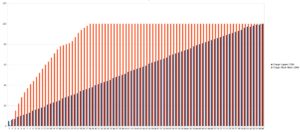 It took me just under 30 minutes to charge the battery from 1 to 100% with the Black Shark 120W charger, I notice a strong slowdown in charging after 80% but the charge is still quite fast. It took 86 minutes to get the same result with my Ugreen charger. Why? Simply because the Black Shark uses a different charging protocol. If you lose your Black Shark charger, you're going to have to take a Black Shark charger back if you want to continue charging your phone as quickly. I assume chargers from other brands will eventually offer the same speed but I haven't seen any yet.
 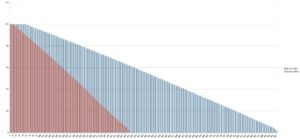 I got around 425 mins of battery life with the screen on at 100% and 937 mins of battery life with the screen on at 50%. These are below average values because the Black Shark has a 4500 mAh battery where many phones have a 5000 mAh battery. We must add to that that this phone is penalized by its size and screen brightness. Black Shark has not bet on endurance but has bet everything on fast charging which will allow you to drain and recharge the battery several times a day if you are an intensive user. In normal use, you should be able to last two days on a full charge, but if you're a gamer and you play several hours a day, you probably won't get to the end of your day.
Photo camera test
To test the quality of photos produced by a phone, I do a technical test (resolution, sharpness, chromatic aberration,...) in studio (identical conditions) to evaluate the technical part objectively. From the second half of 2020, I built my own laboratory to take completely objective technical measurements. I then take pictures in real conditions to see how the camera performs. I then evaluate these photos according to my criteria but I publish the photos so that you can evaluate the result according to your criteria.Hardware
The Black Shark 4 Pro uses a Samsung GW3 sensor along with a Sony IMX 355 on the back and a Samsung S5K3T2 for selfies. There is also a Samsung S5K5E9 sensor on the back for portraits but I never test this kind of sensor as they are often lower quality sensors. These are photo sensors that I have already had the opportunity to test on many other phones, so it is not on this point that the Black Shark will stand out from the others but here no need to stand out, the Samsung GW3 is a good sensor that I had the opportunity to test with the Xiaomi Mi 11 Lite.Photo quality
Photo quality (indoor/studio)The studio test is carried out under the same conditions so that the results can be compared on an equal basis. I calibrate my lighting for each test to obtain the same brightness and colour temperature. This test is a preliminary analysis of the technical qualities of a camera. Most phones fail this test, so you should also read the results of the other tests in the following paragraphs.
Samsung GW3
 I had already had the opportunity to test this photo sensor on the Xiaomi Mi 11 Lite, the result was even quite good. For this first visit to the studio, I find the same qualities of this sensor on the Black Shark 4 with photos that do not fall into underexposure in the studio. Most of the phones I test produce underexposed images in the studio, this is much less the case with this Samsung GW3. The sharpness is also good provided I don't zoom in too much because if I zoom in beyond 100% I very clearly see a white line around all the shapes, this white line indicates that the sharpness has been optimized too far. It is this artificial treatment that gives a sharper rendering to the photo, but purists will no doubt see it as a form of cheating. The colors seem correct to me except maybe a blue color that is too pronounced, but the colorimetry test will allow me to measure the accuracy of the colors more objectively.
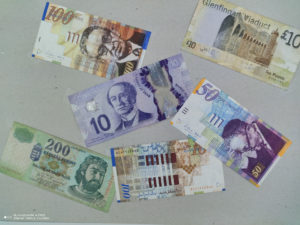
 I took other photos with AI, HDR and Pro modes. As always, these modes sometimes produce good results and sometimes not, the result is not always predictable. However, I noticed something interesting in pro mode, I saw a 256 Mp mode appear, I had never seen this mode on another phone. I obviously tested it and this mode takes several photos in 64Mp and combines them to obtain a photo of 256 Mp with a resolution of 18560x13888 pixels, I have never seen that. The photo is so heavy that the phone needs several seconds to process it. What is the purpose of this 256 Mp mode? I asked the question to the manufacturer who replied that this mode should not be present in the phone, so it will probably disappear in a future update. I hope I can keep it long enough to be able to take outdoor photos and test the image quality of this assembly.
Here is a photo taken with 256Mp mode:
 and the same in 64Mp mode:
 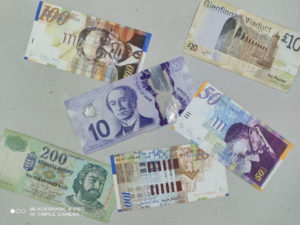 The two photos are very similar, the sharpness is good in both case and I can zoom to 300% without seeing any differences between photos. Obviously with a larger photo, I can zoom in further, but that's a rather mechanical factor. Xiaomi may have intended to offer a zoom function based on this type of photo. Sony IMX 355










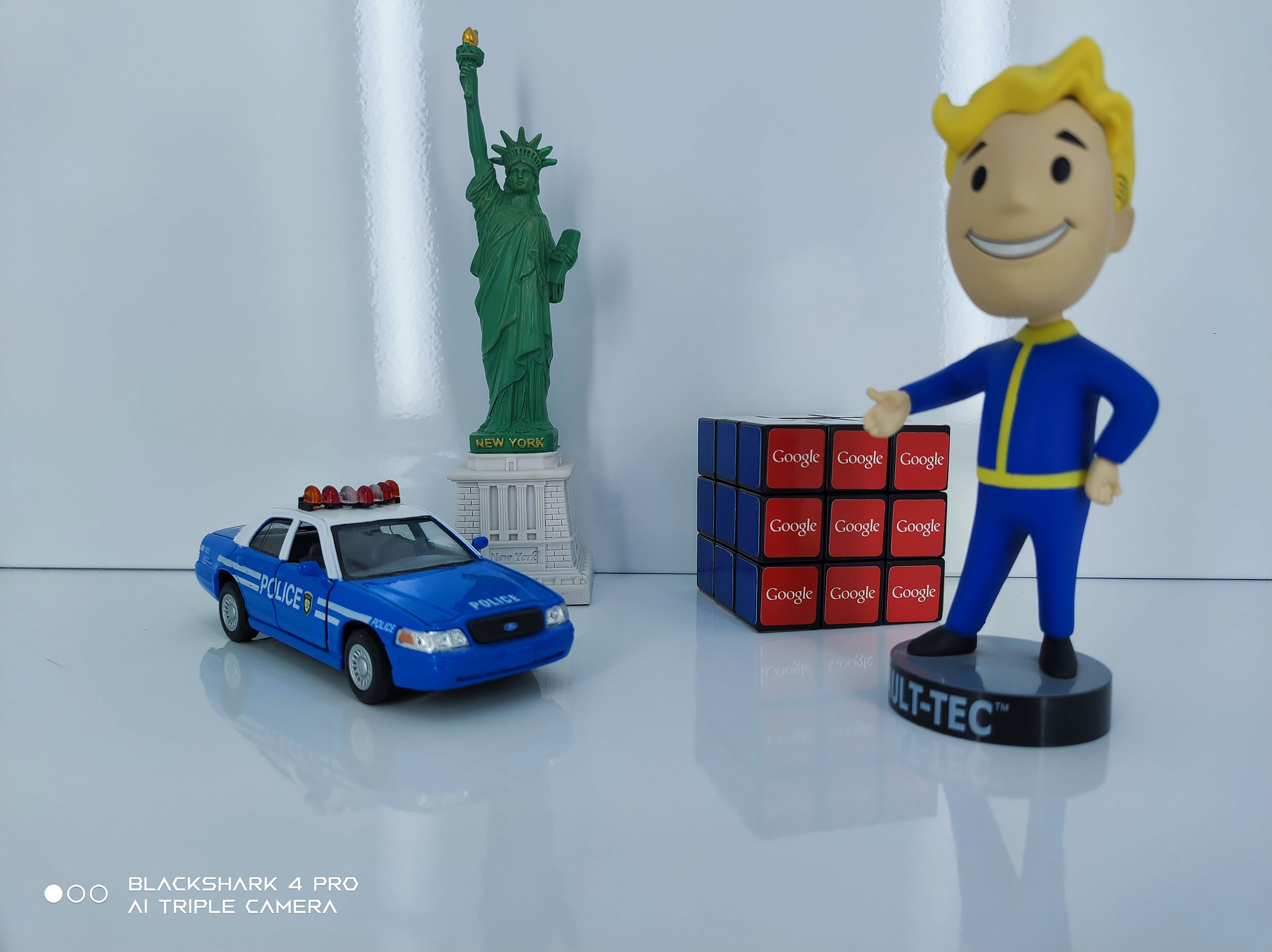




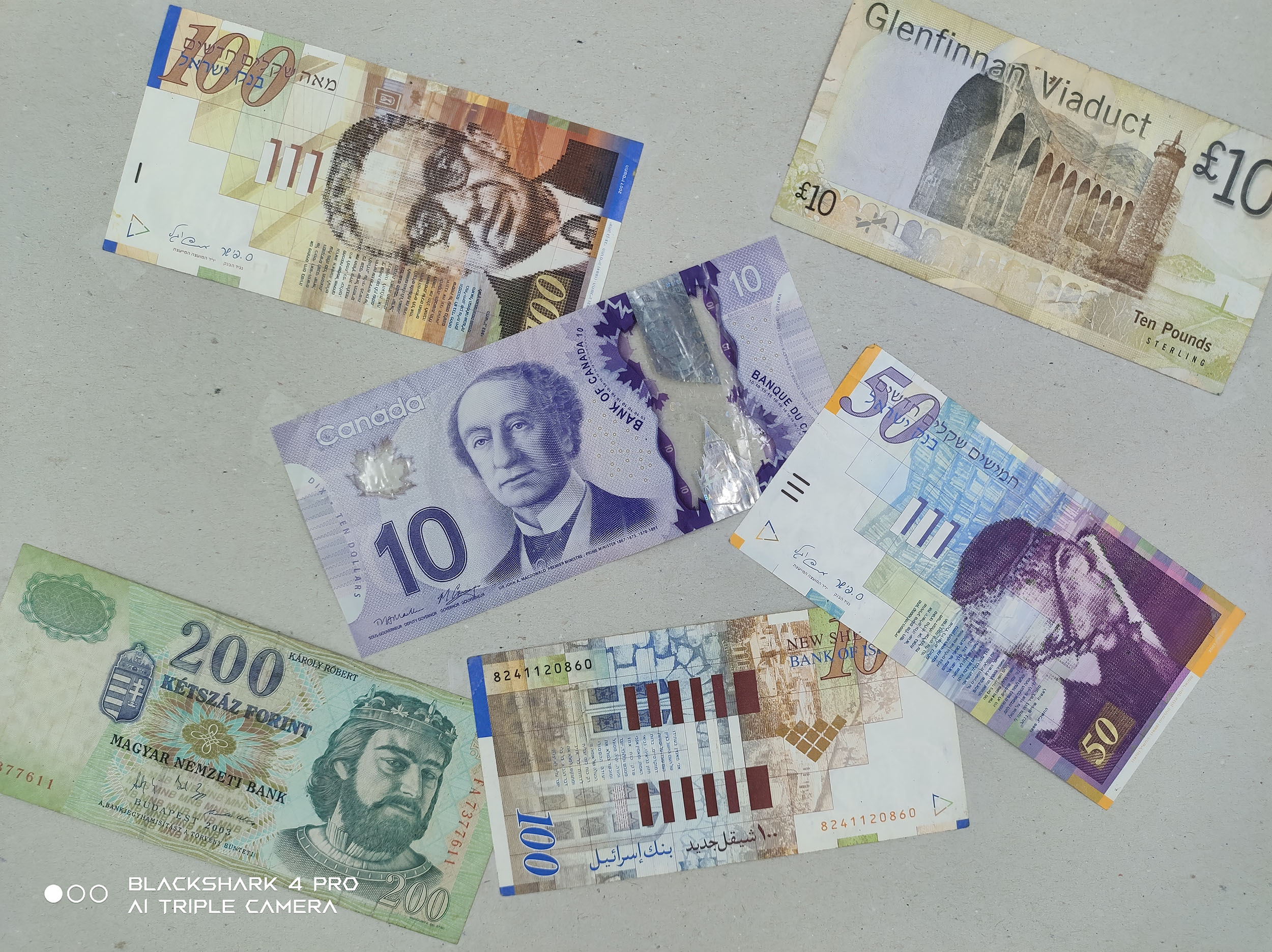
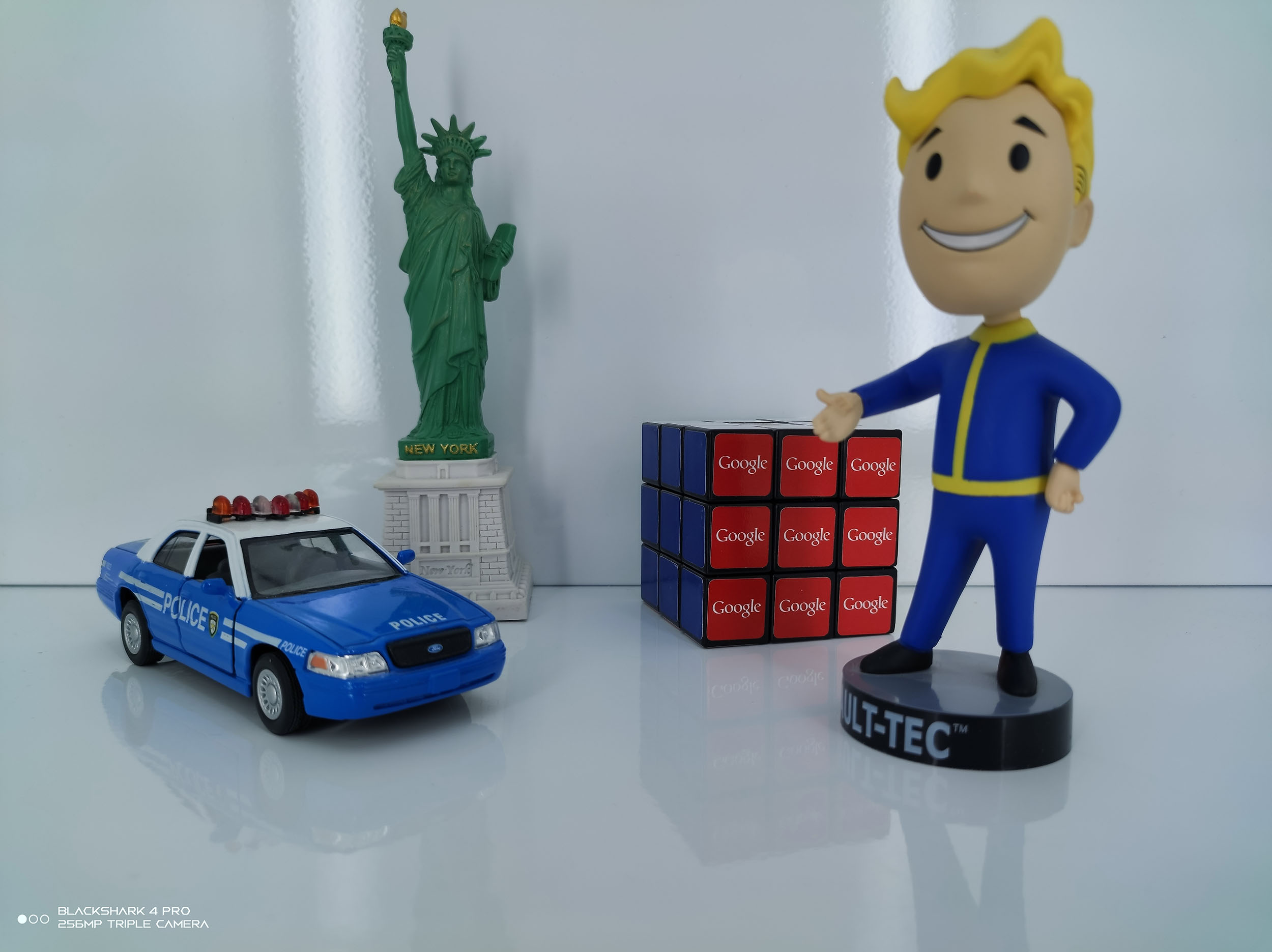

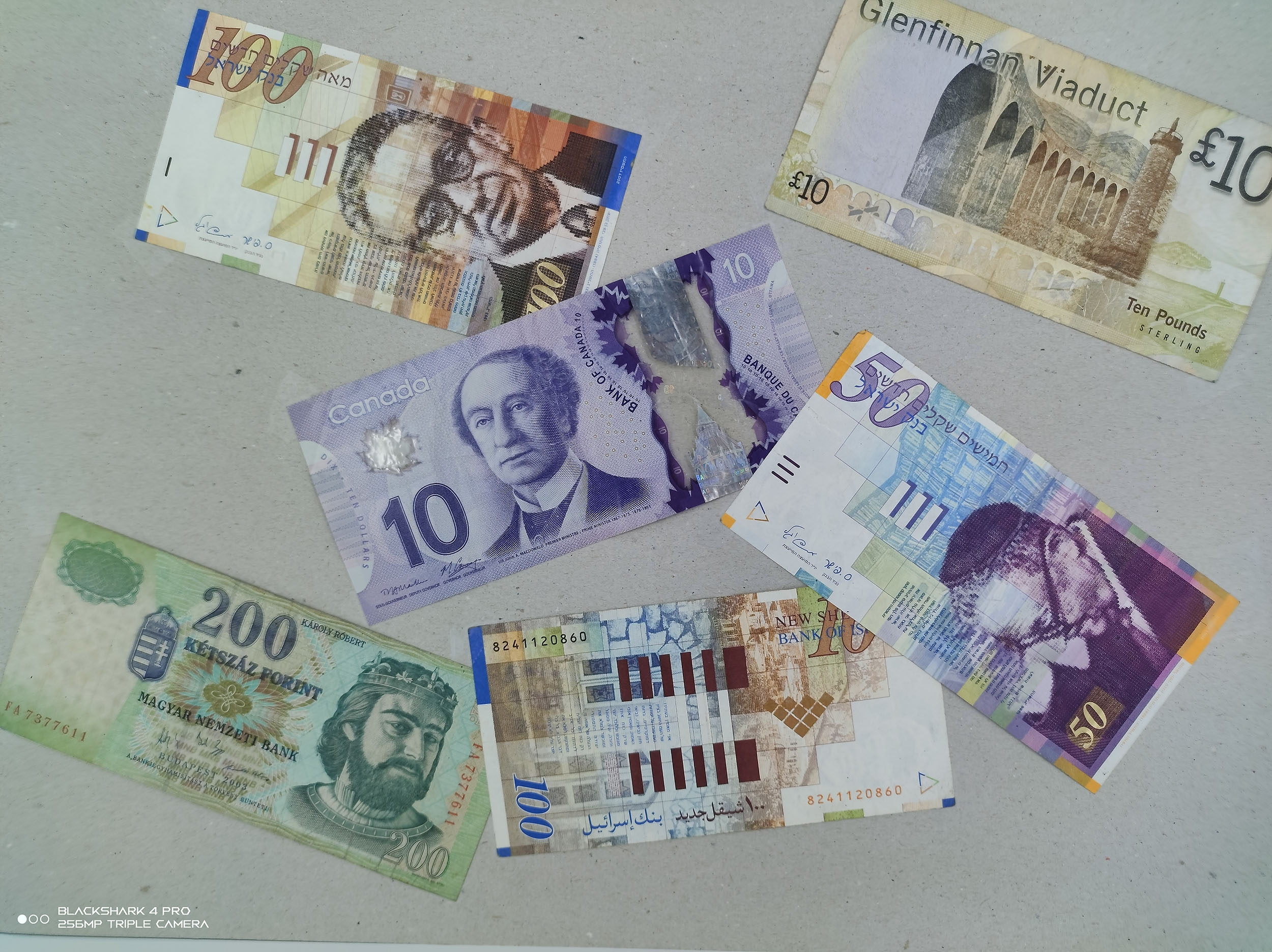
 This Sony IMX 355 is by far Xiaomi's most widely used ultra-wide-angle sensor. I have tested it many, many times. The image quality is not comparable to that of the main sensor but for an ultra wide angle sensor, this Sony IMX 355 is doing quite well. Colors and exposure are above average, the biggest weaknesses are sharpness and distortion.
 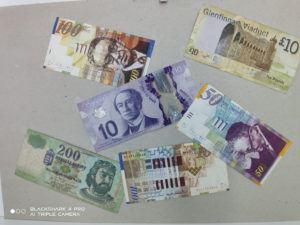 It is with this kind of photo that we can realize the level of loss of detail, the contents are smoothed out to the point that certain texts are no longer legible.
Photo: technical test
I was inspired by industrial technical tests to create my own technical test to evaluate the technical quality of a camera. This test is an objective assessment of a camera's ability to render a scene correctly.
I test the following elements:
- centre sharpness, peripheral sharpness
- colour fidelity based on 24 reference colours
- level of chromatic aberration
- dynamic range (ability to capture dark and light areas without loss)
- distortion
The technical evaluation may differ from the subjective evaluation as the feeling of a photo will be influenced by the processing provided by each manufacturer.
Samsung GW3
I had already had the opportunity to test this photo sensor on the Xiaomi Mi 11 Lite, the result was even quite good. For this first visit to the studio, I find the same qualities of this sensor on the Black Shark 4 with photos that do not fall into underexposure in the studio. Most of the phones I test produce underexposed images in the studio, this is much less the case with this Samsung GW3. The sharpness is also good provided I don't zoom in too much because if I zoom in beyond 100% I very clearly see a white line around all the shapes, this white line indicates that the sharpness has been optimized too far. It is this artificial treatment that gives a sharper rendering to the photo, but purists will no doubt see it as a form of cheating. The colors seem correct to me except maybe a blue color that is too pronounced, but the colorimetry test will allow me to measure the accuracy of the colors more objectively. I took other photos with AI, HDR and Pro modes. As always, these modes sometimes produce good results and sometimes not, the result is not always predictable. However, I noticed something interesting in pro mode, I saw a 256 Mp mode appear, I had never seen this mode on another phone. I obviously tested it and this mode takes several photos in 64Mp and combines them to obtain a photo of 256 Mp with a resolution of 18560x13888 pixels, I have never seen that. The photo is so heavy that the phone needs several seconds to process it. What is the purpose of this 256 Mp mode? I asked the question to the manufacturer who replied that this mode should not be present in the phone, so it will probably disappear in a future update. I hope I can keep it long enough to be able to take outdoor photos and test the image quality of this assembly.
Here is a photo taken with 256Mp mode:
and the same in 64Mp mode: The two photos are very similar, the sharpness is good in both case and I can zoom to 300% without seeing any differences between photos. Obviously with a larger photo, I can zoom in further, but that's a rather mechanical factor. Xiaomi may have intended to offer a zoom function based on this type of photo. Sony IMX 355 This Sony IMX 355 is by far Xiaomi's most widely used ultra-wide-angle sensor. I have tested it many, many times. The image quality is not comparable to that of the main sensor but for an ultra wide angle sensor, this Sony IMX 355 is doing quite well. Colors and exposure are above average, the biggest weaknesses are sharpness and distortion. It is with this kind of photo that we can realize the level of loss of detail, the contents are smoothed out to the point that certain texts are no longer legible.Outdoor photo quality
Samsung GW3
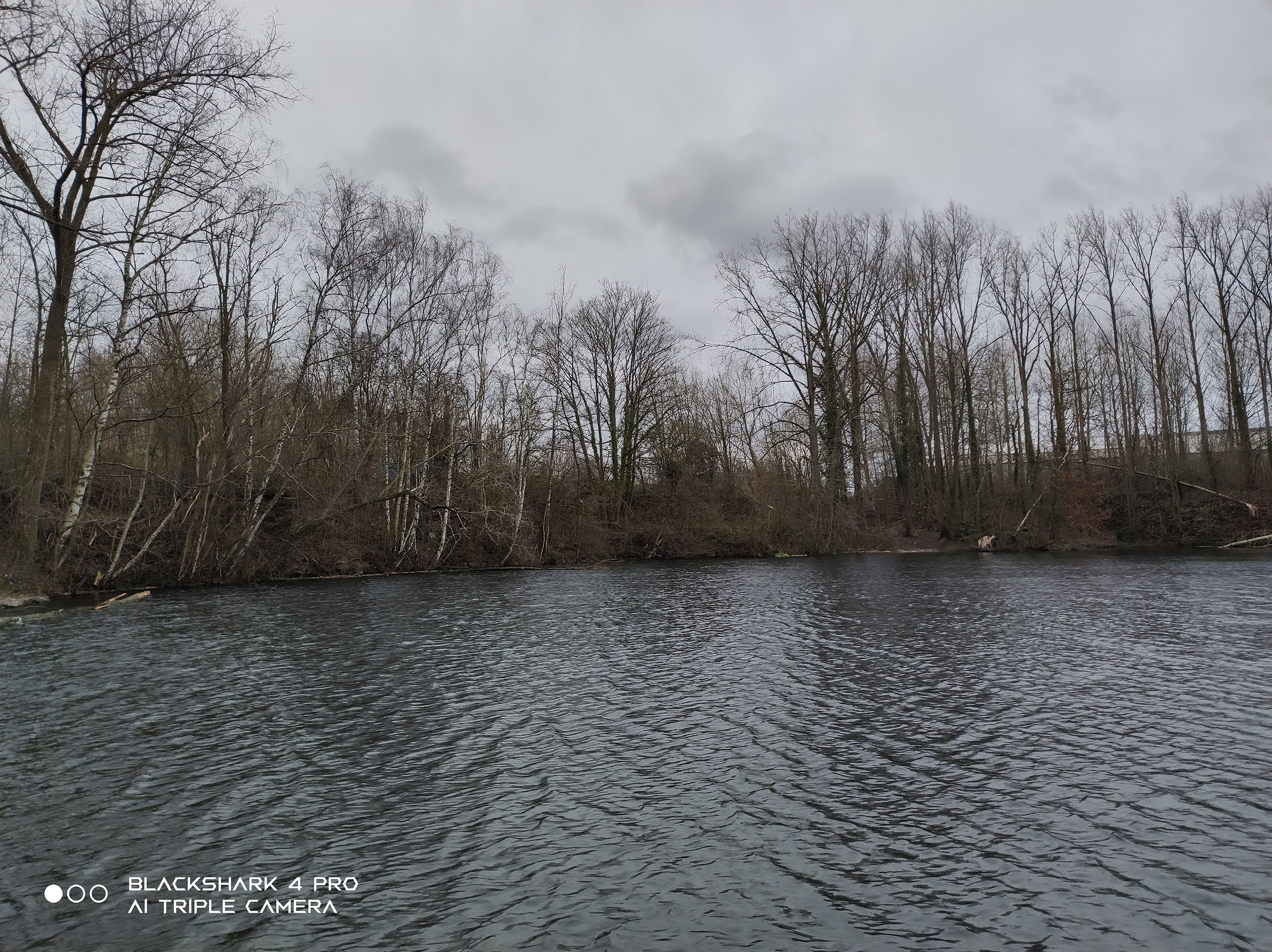
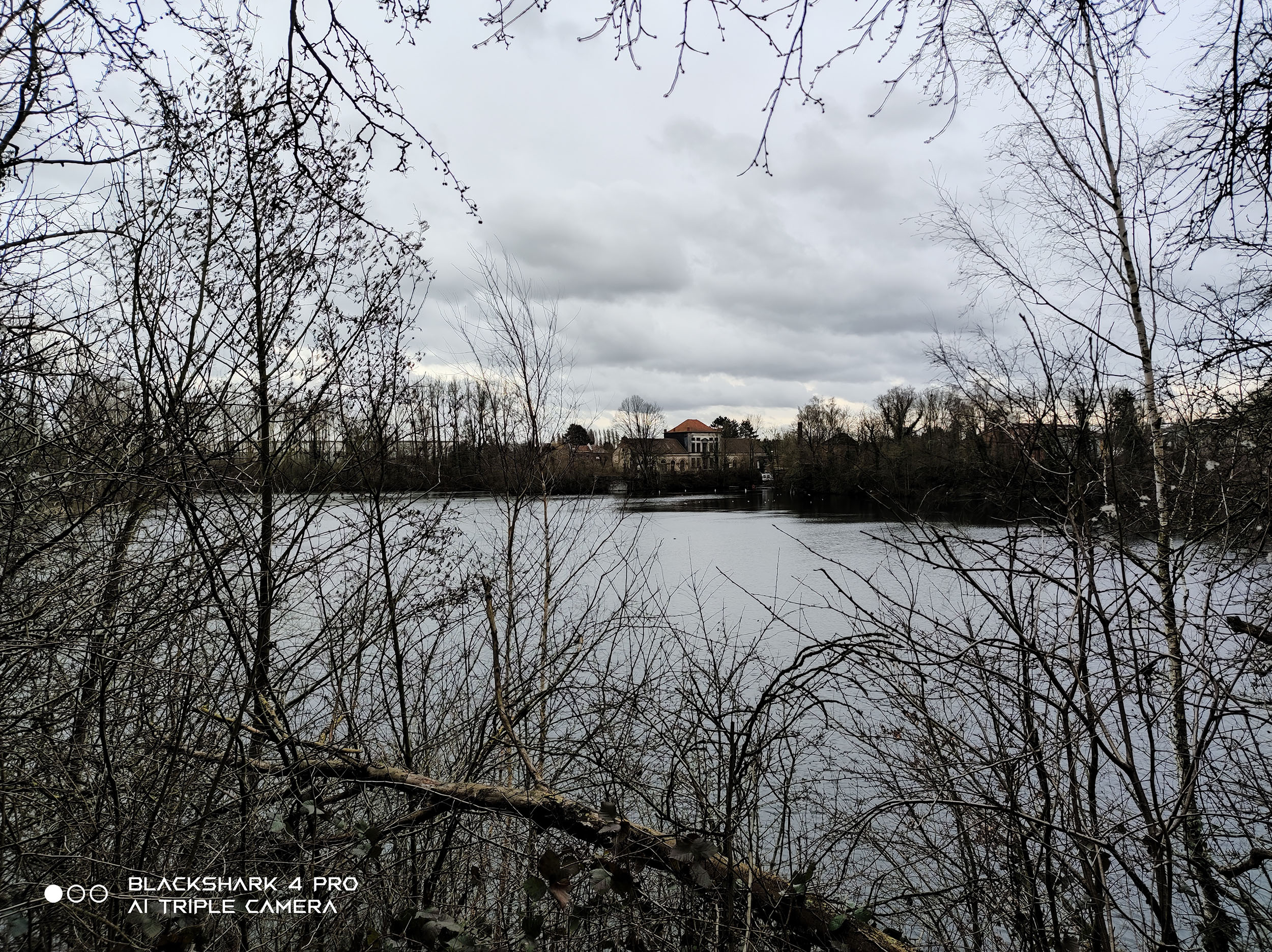
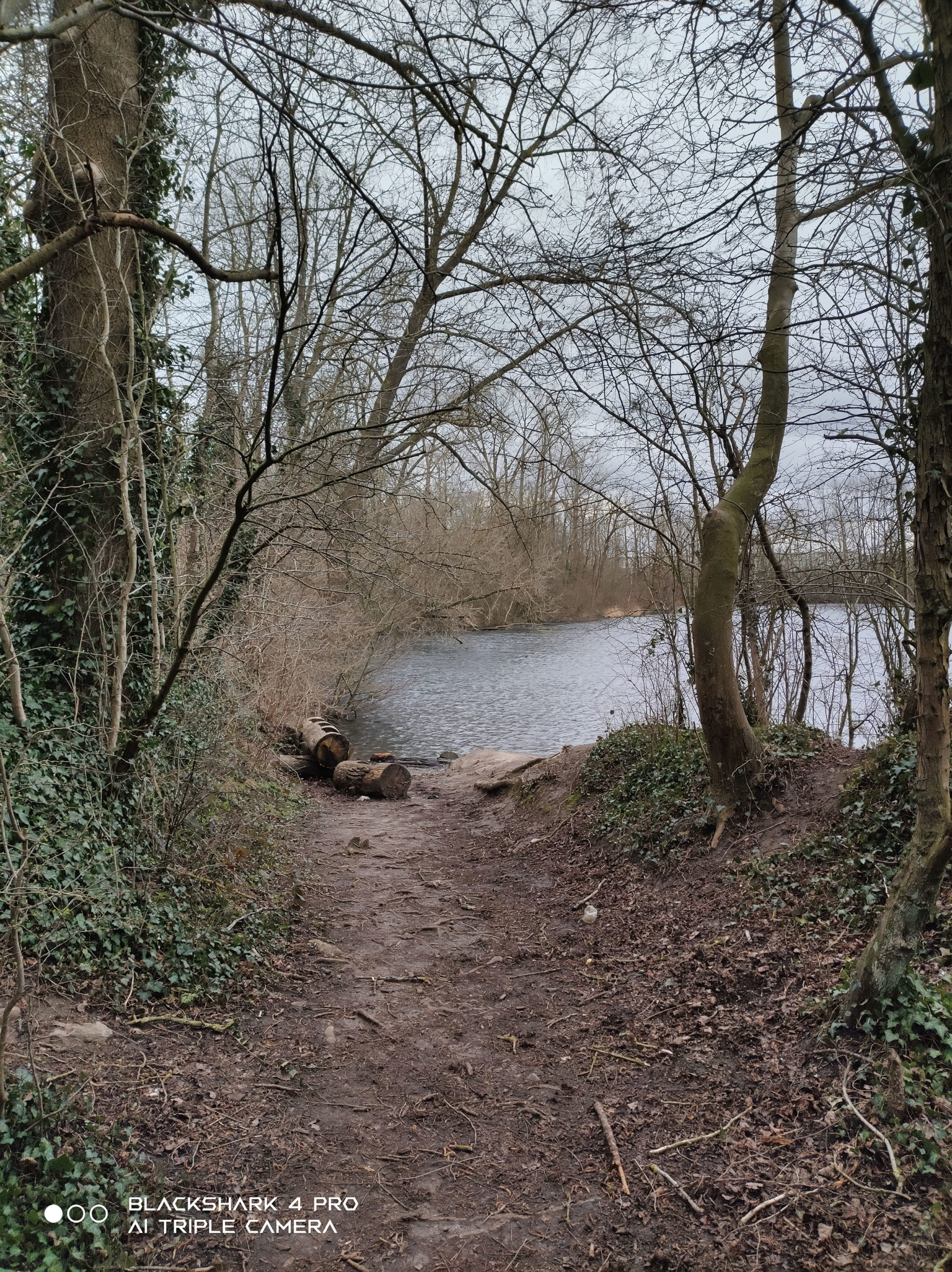
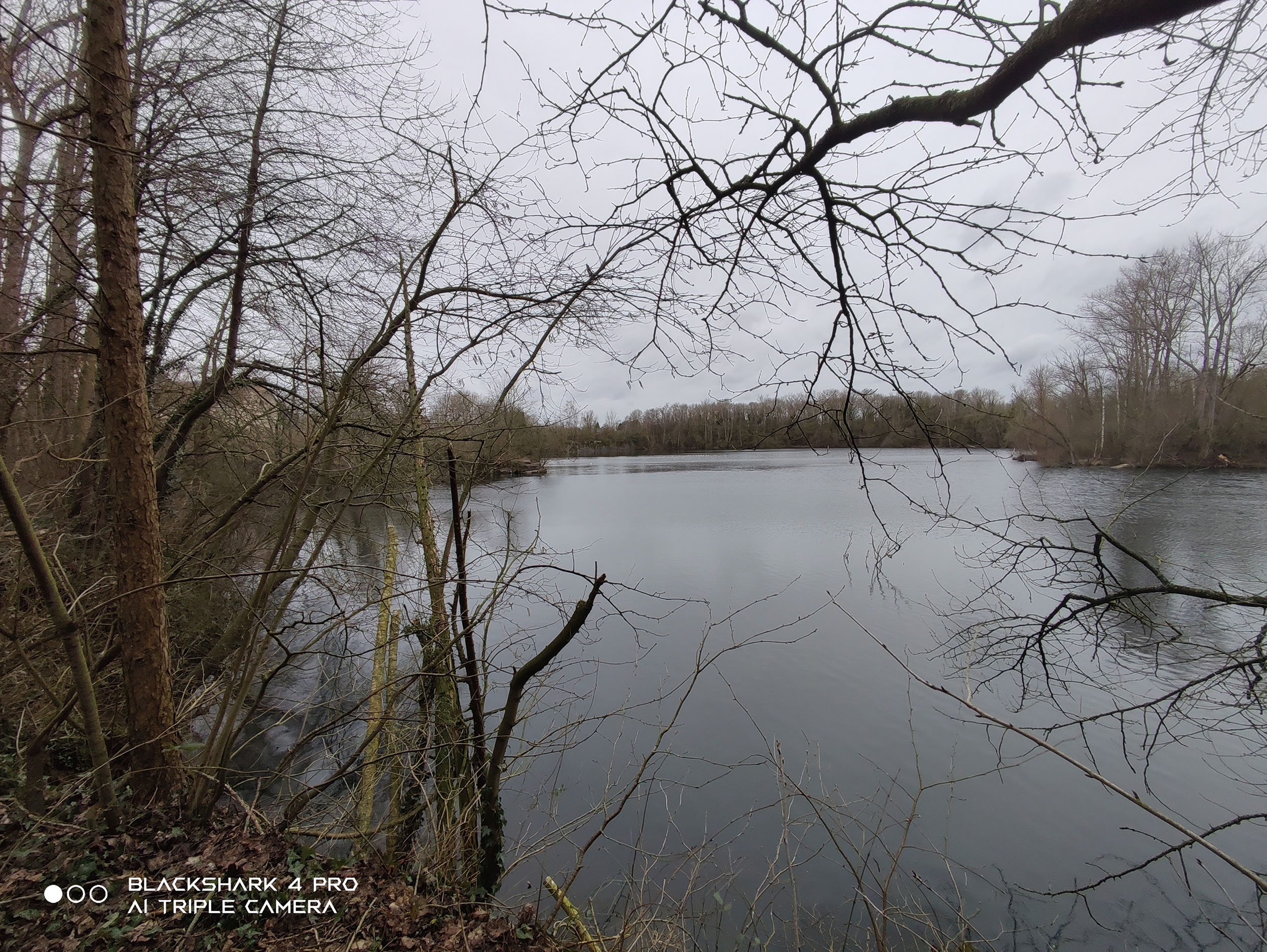
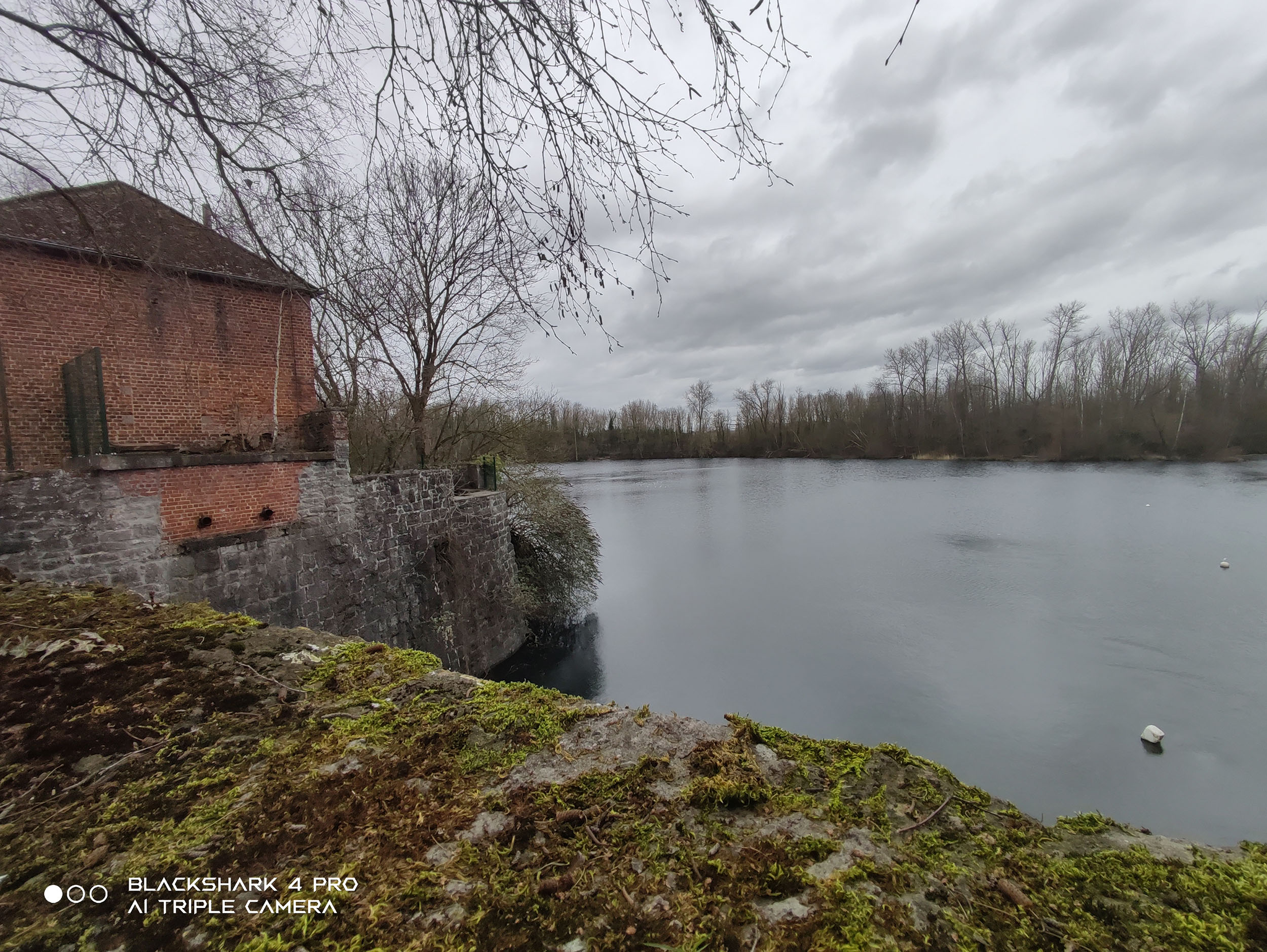
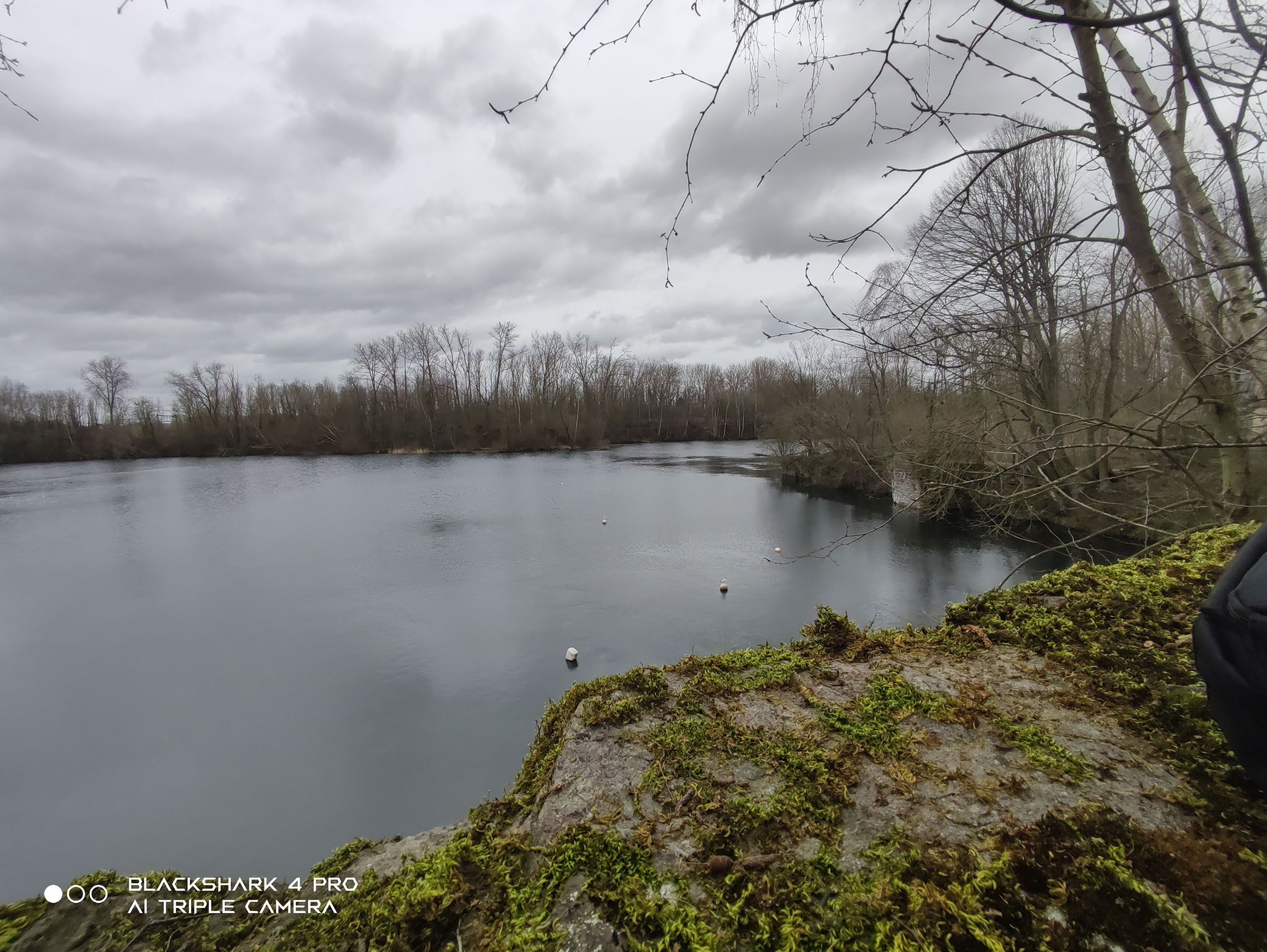
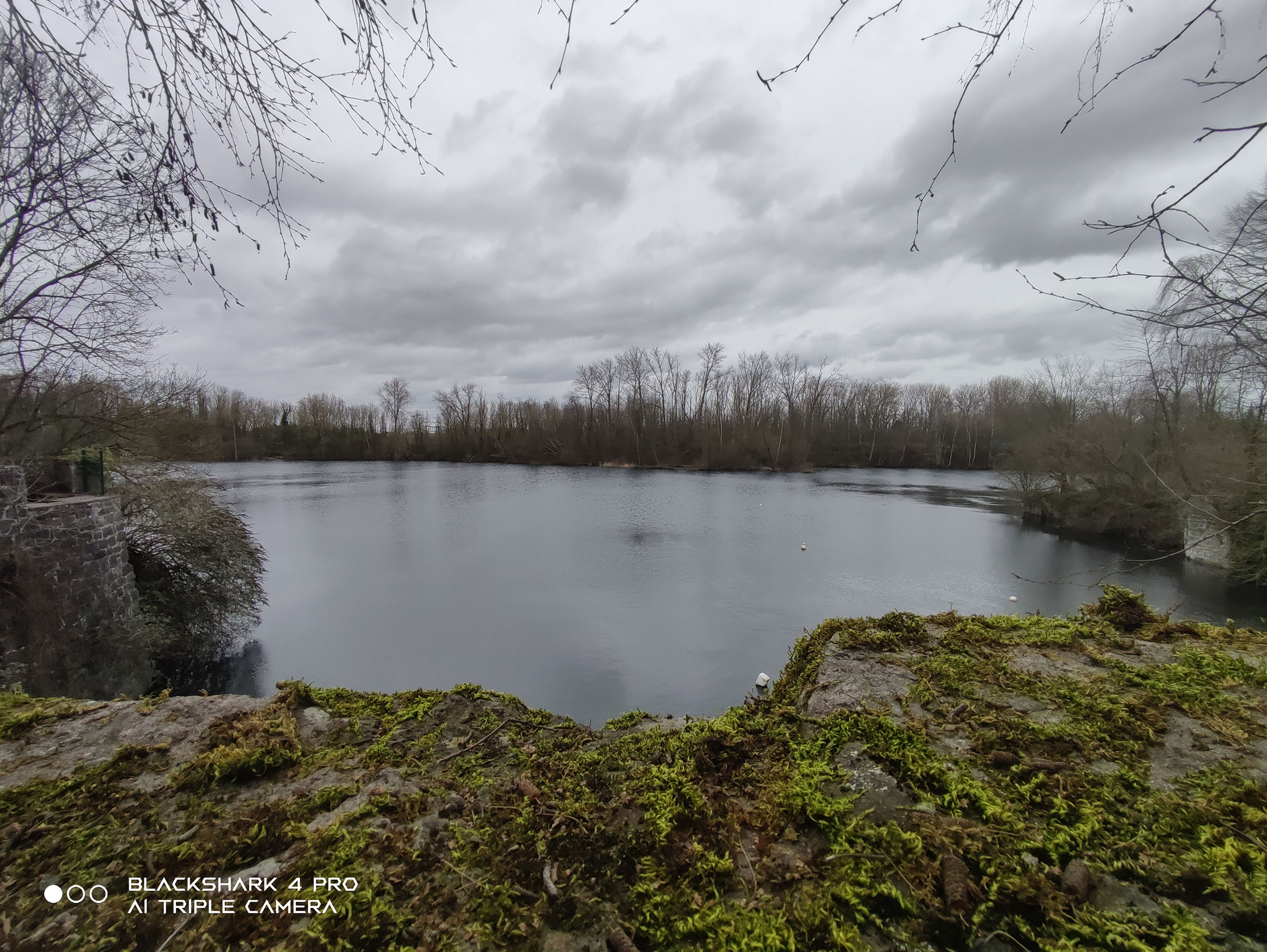
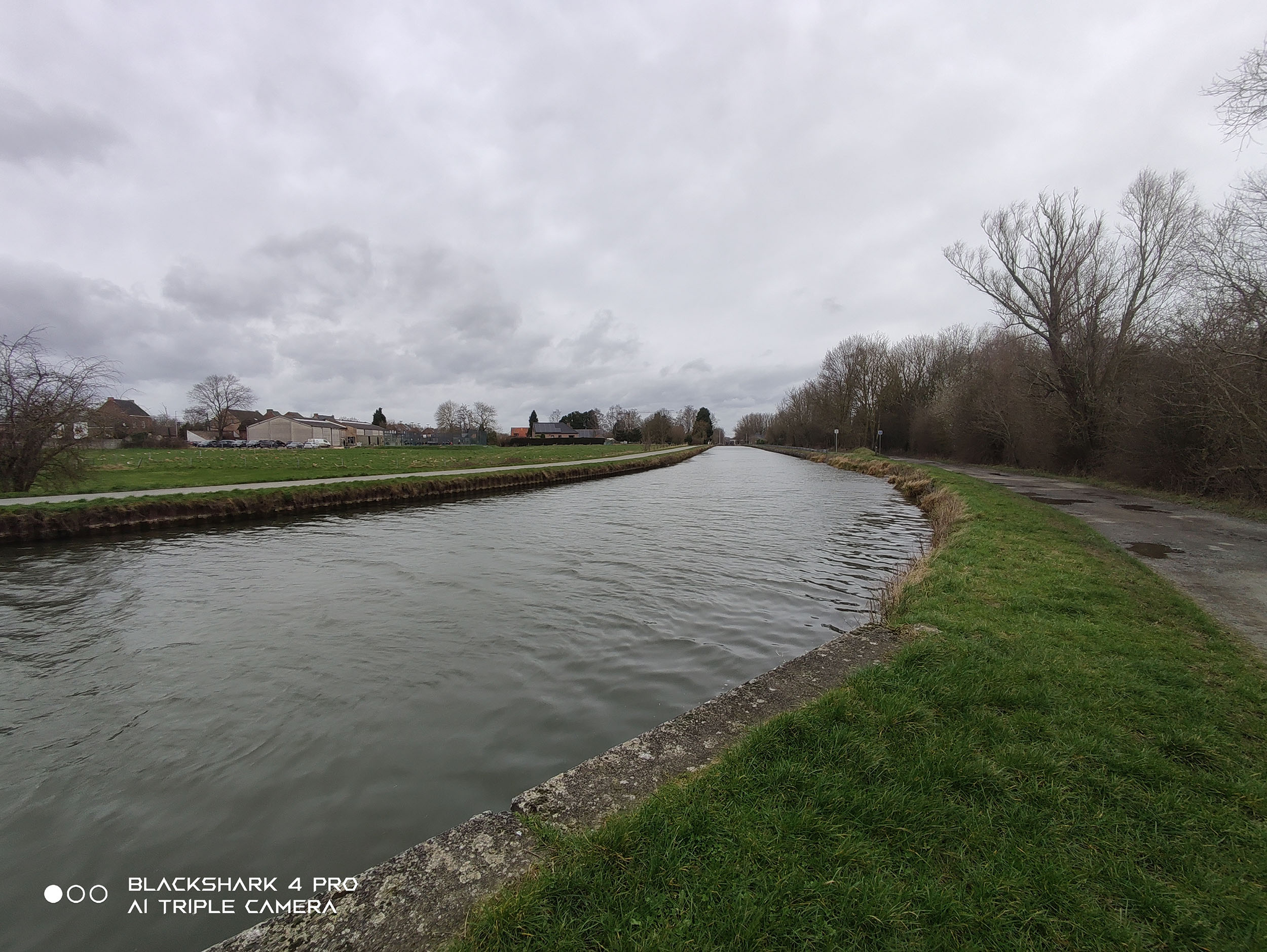
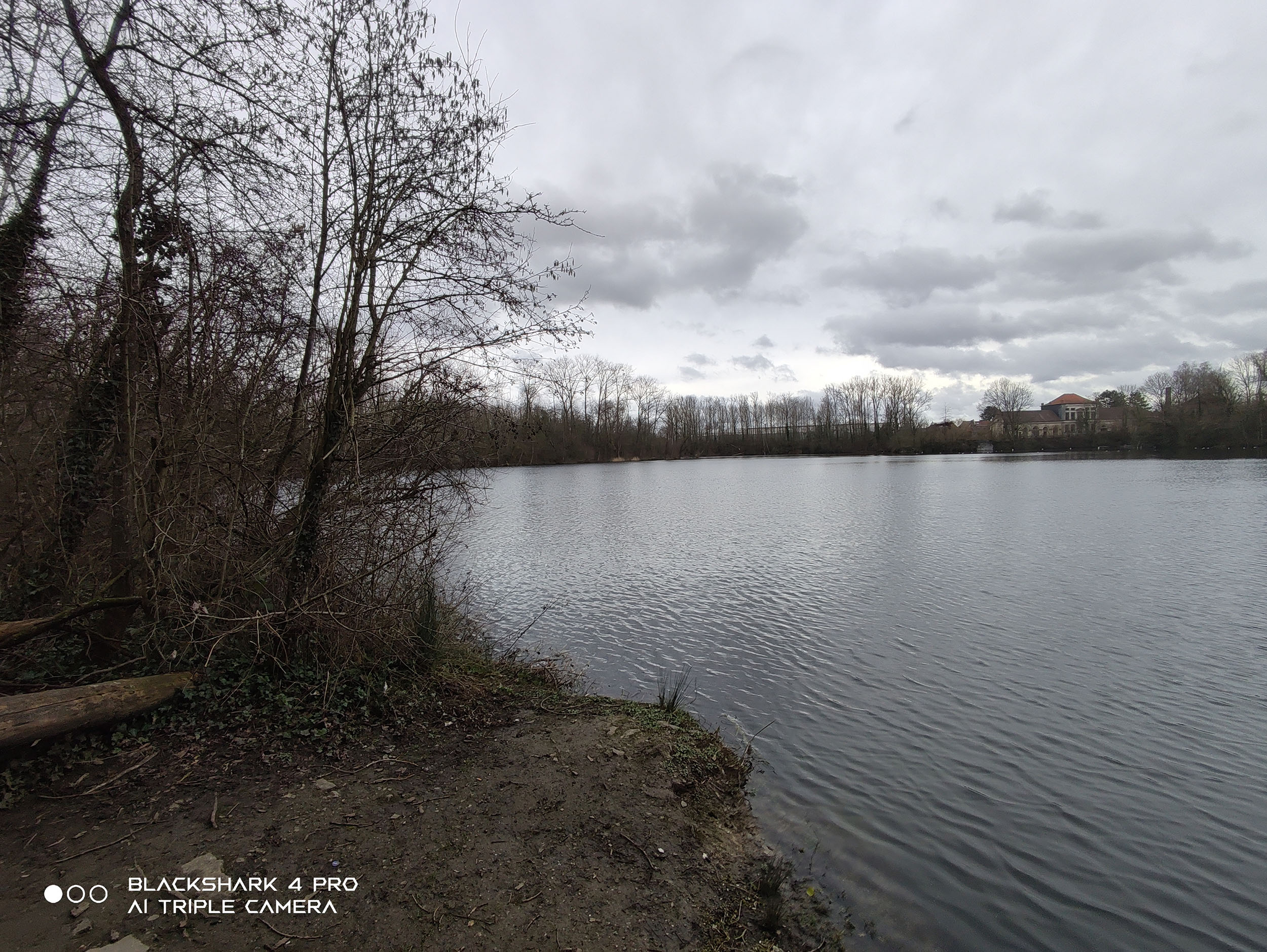
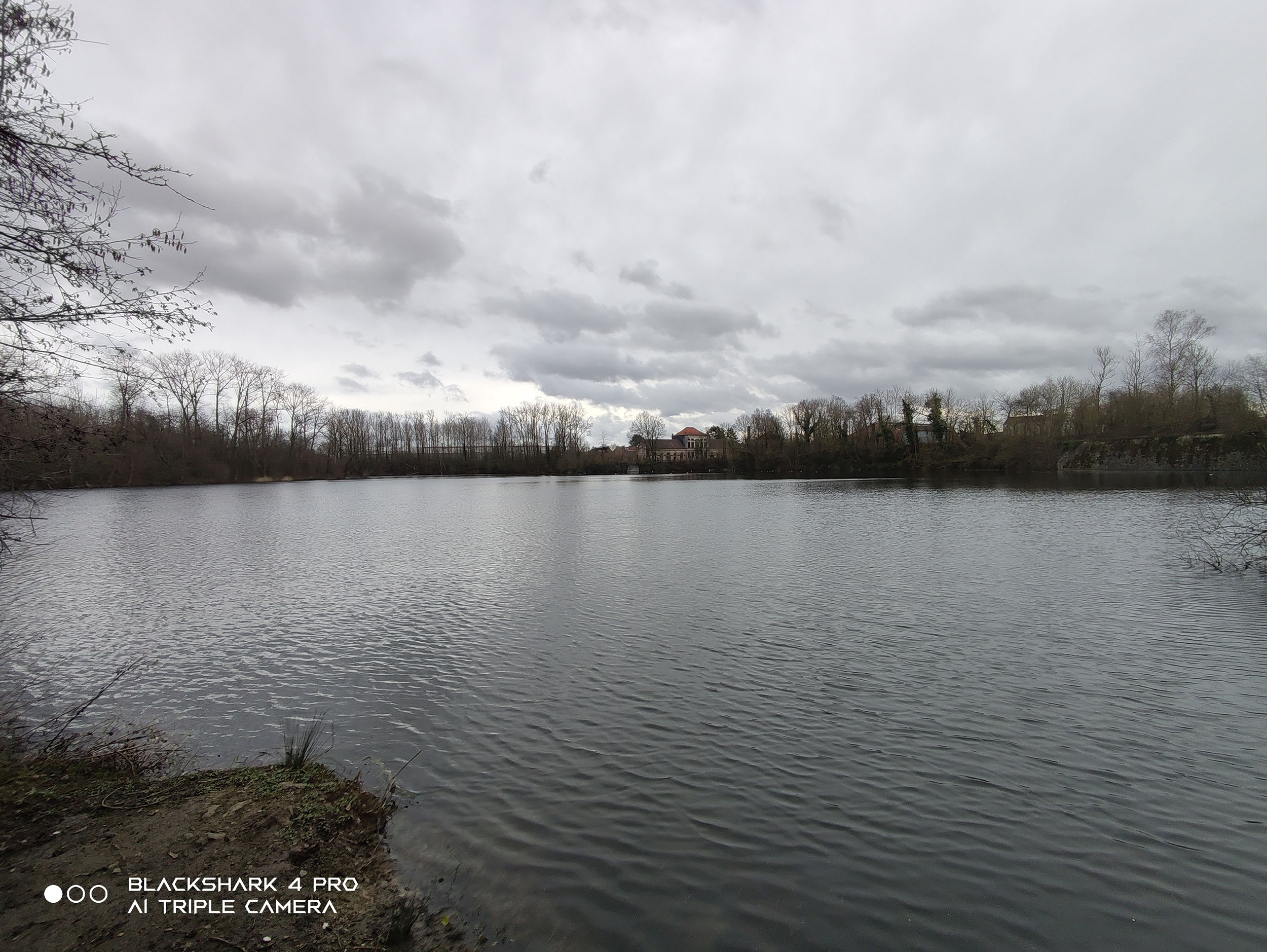
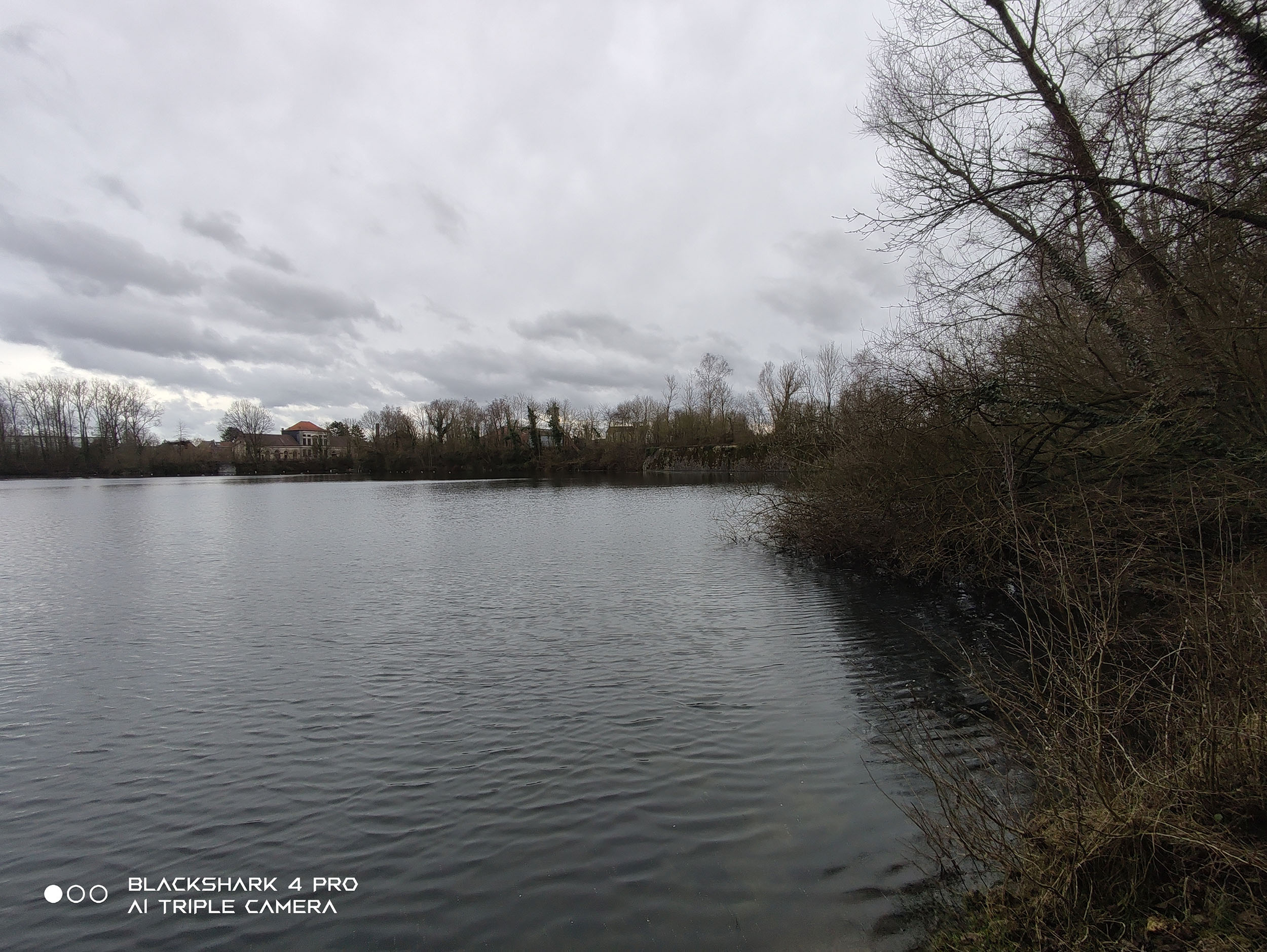
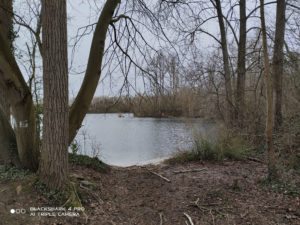 When I test phones in winter, I'm not always lucky enough to have a nice blue sky to take pictures. The conditions in which I took these photos were really not good. I took these photos in a short period of calm from Storm Eunice, it was dark, very cloudy, the scenery was muddy and many trees had been damaged by the wind. I would therefore have preferred to be able to take photos in other conditions, but this context will have the advantage of showing how this photo sensor manages in bad conditions. The photo is a little too dark compared to reality but the rendering is quite good despite everything. The sharpness is really good but if I see too much processing in places, you have to seriously zoom in to notice it. The color rendering is quite good even if the photo is not attractive, the decor was really sad when taking photos. I had already tested this sensor in the Xiaomi Mi 11 Lite and I find the qualities of this sensor in the Black Shark. I made many photos in the same place with sometimes an alternation of photo in automatic mode and other modes. The darkest photos come from night mode. As I wrote above, there is a 256 megapixel mode on this phone. Knowing that the main sensor delivers a maximum of 64 million pixels, one wonders how Xiaomi managed to compose a photo of 256 million pixels and especially why they did it. They actually combine several 64 million pixel photos, the photo requires standing still for 5 seconds. Why take such photos? To be able to zoom. With a larger photo you can zoom in on that photo without having to use an optical zoom. This kind of technique exists on other phones from the brand, but this is the first time I've seen a 256 million pixel mode. Optical zoom will always produce better photos than a digital zoom like this but if I take the photo from the previous paragraph and zoom in, I get this:






















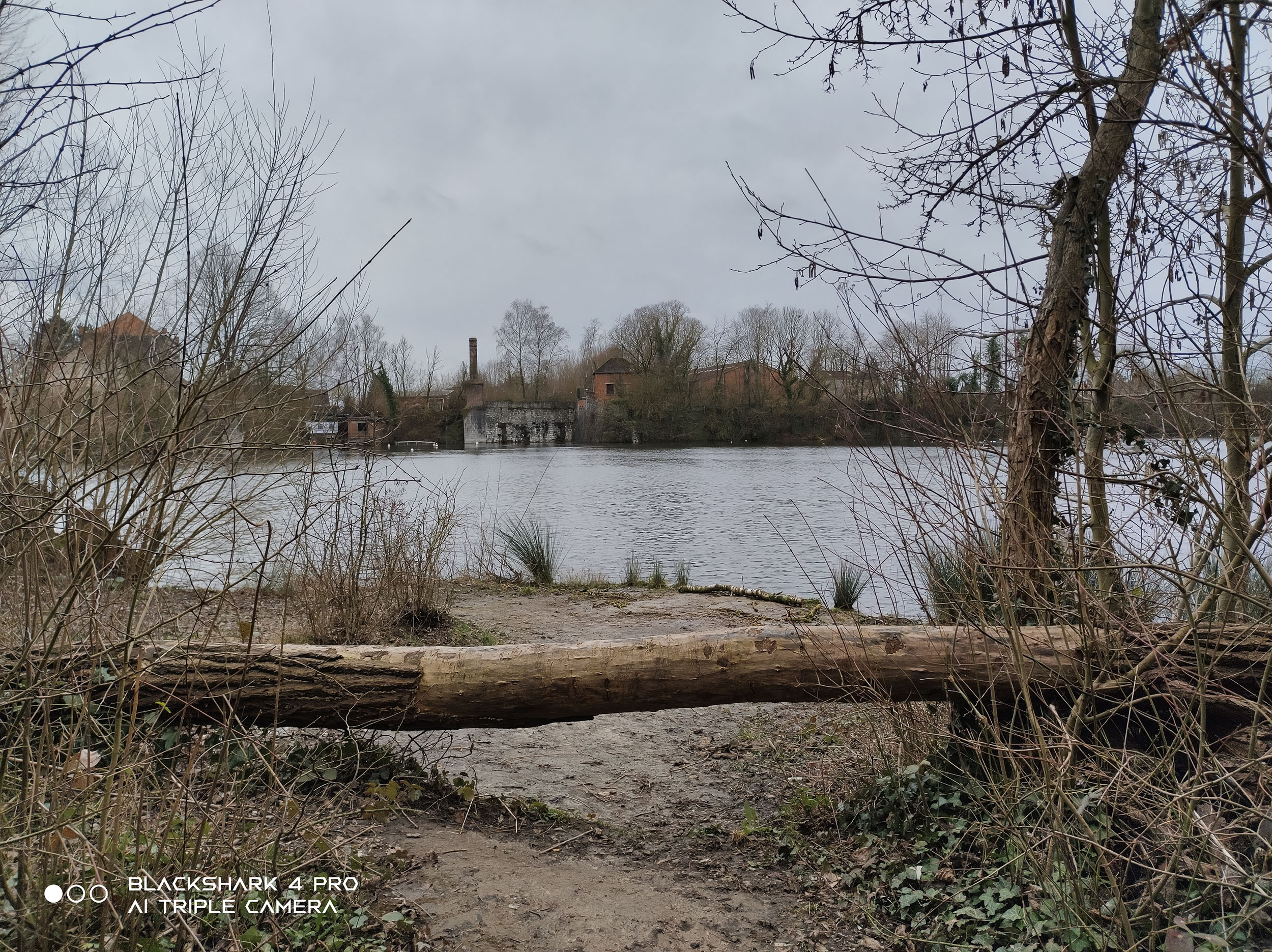
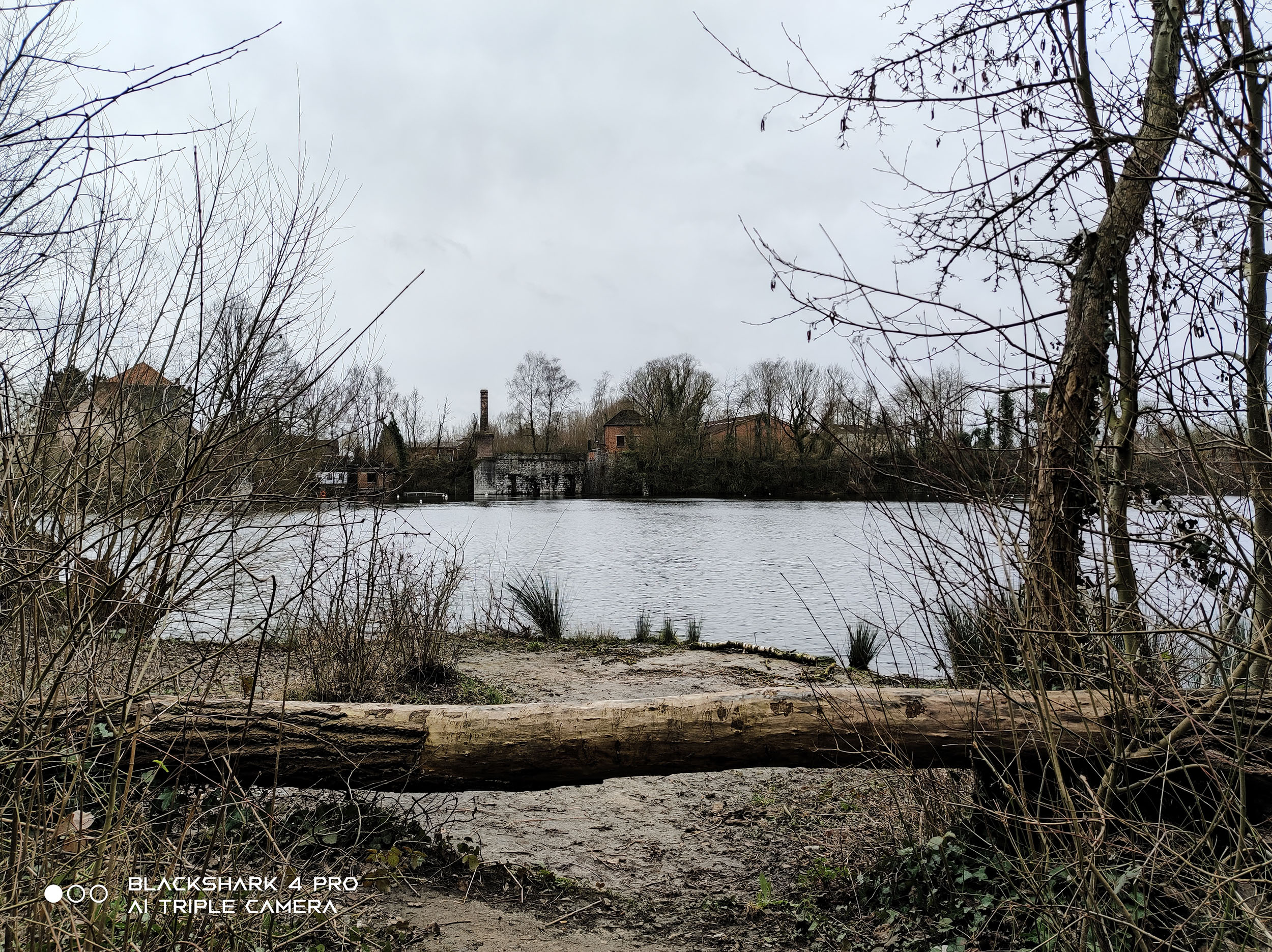
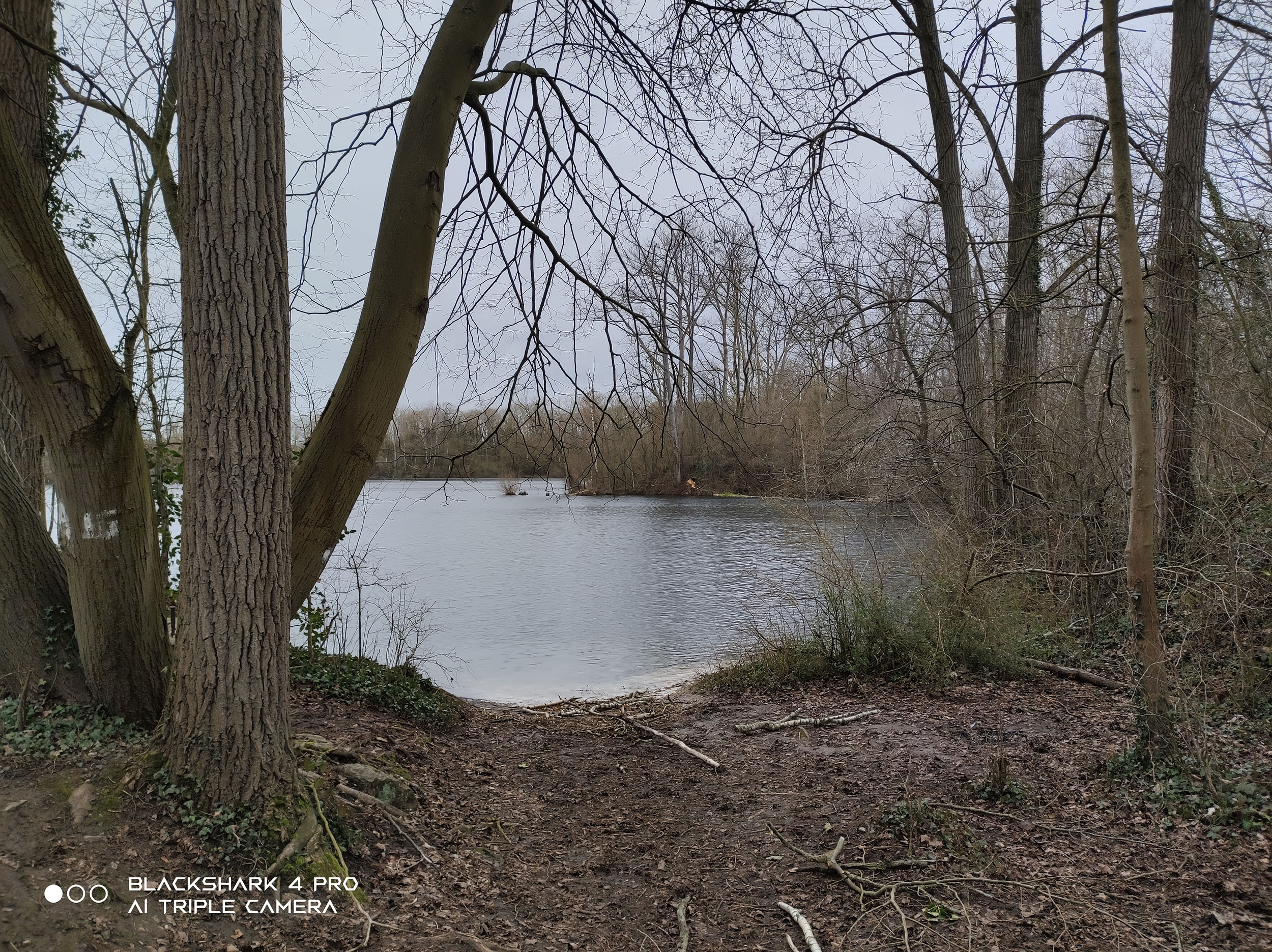
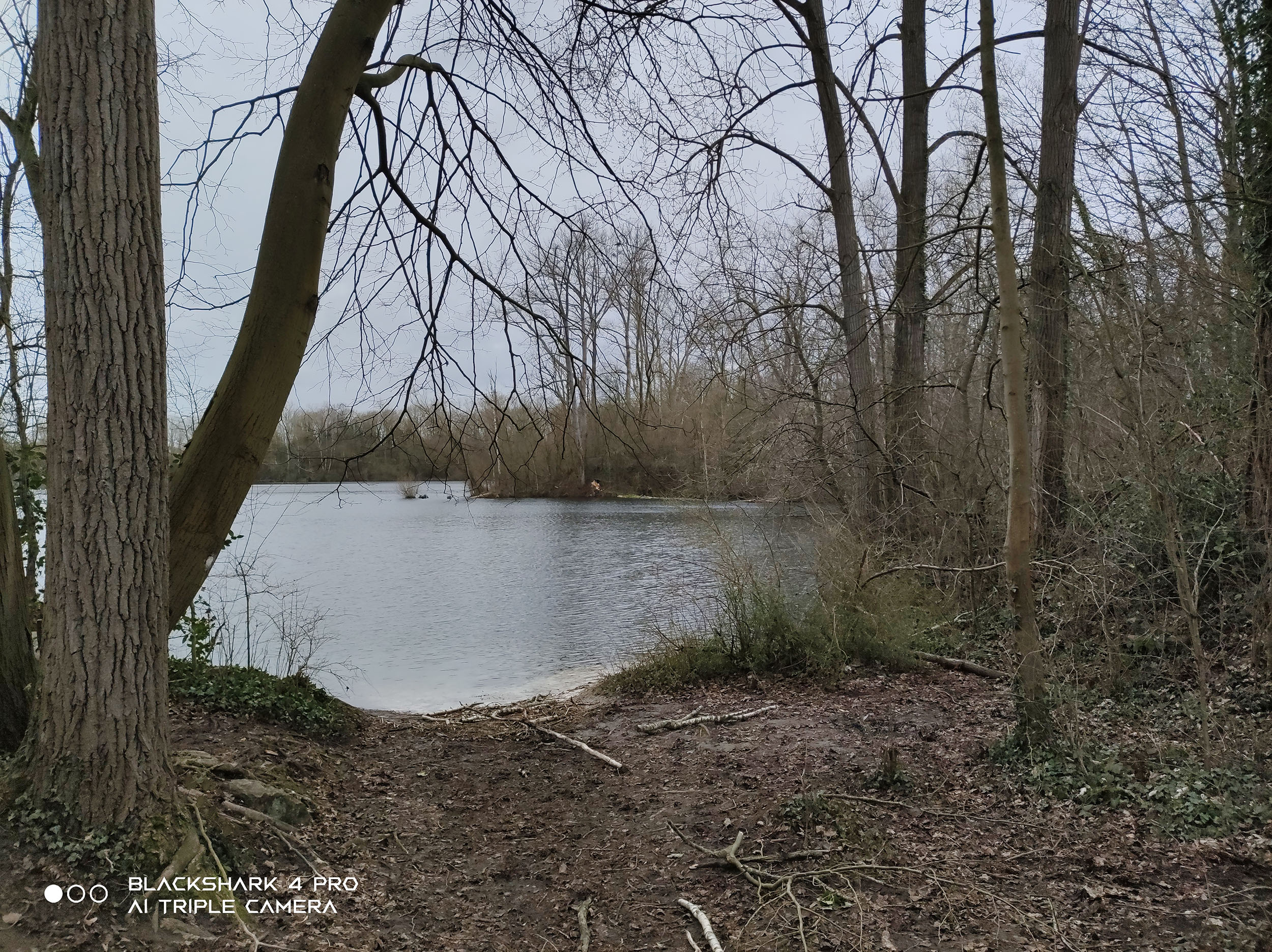
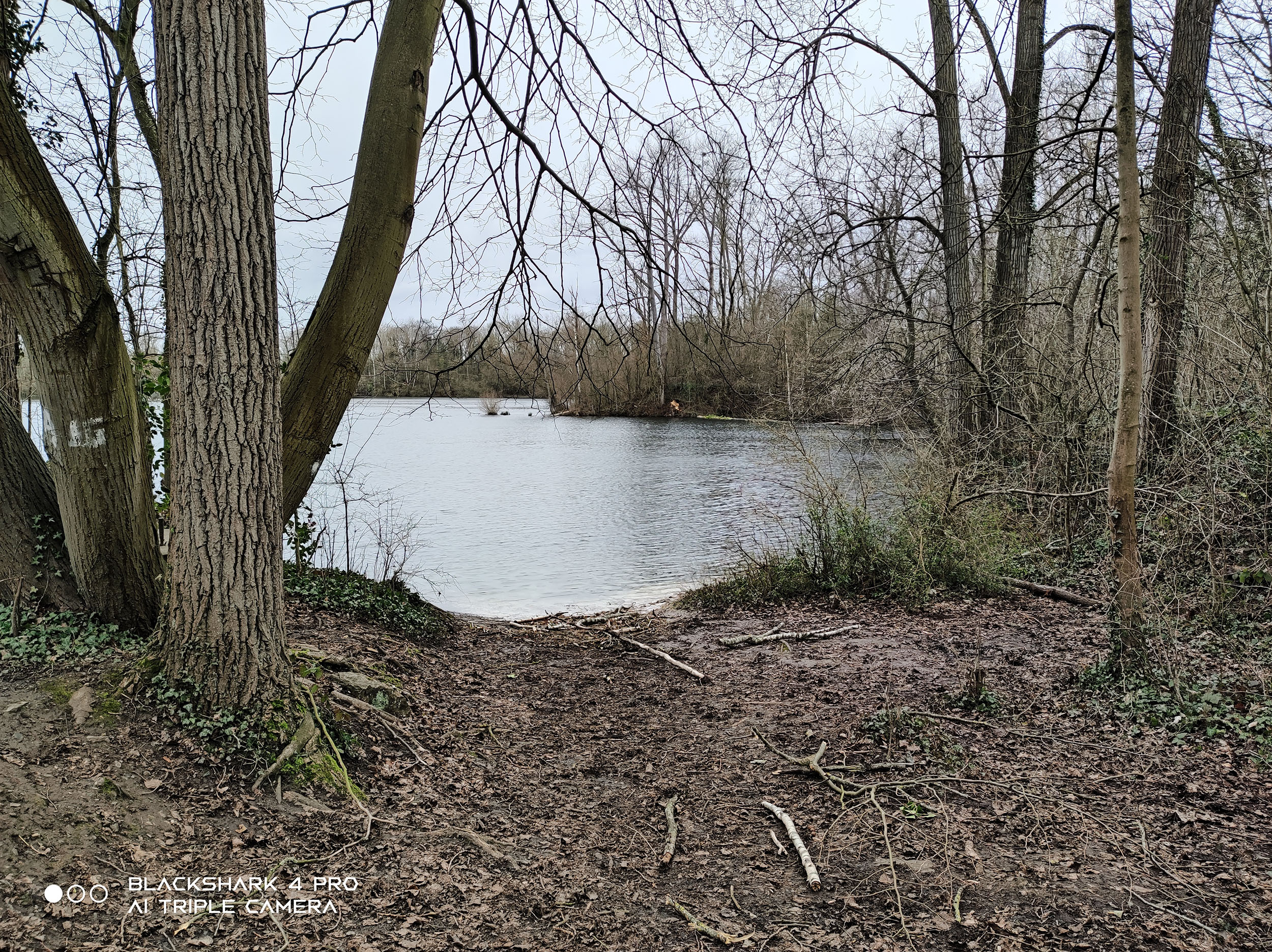
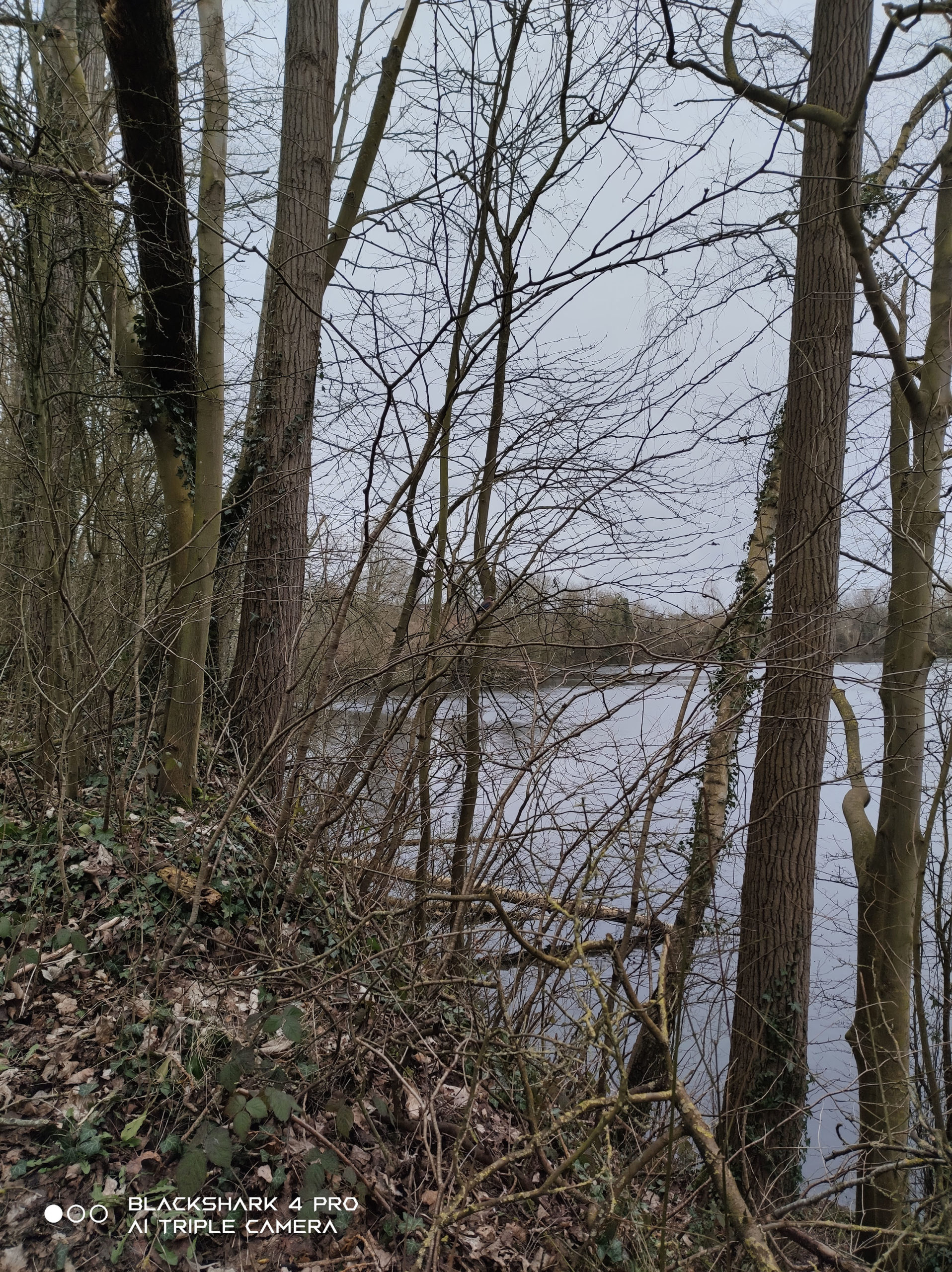
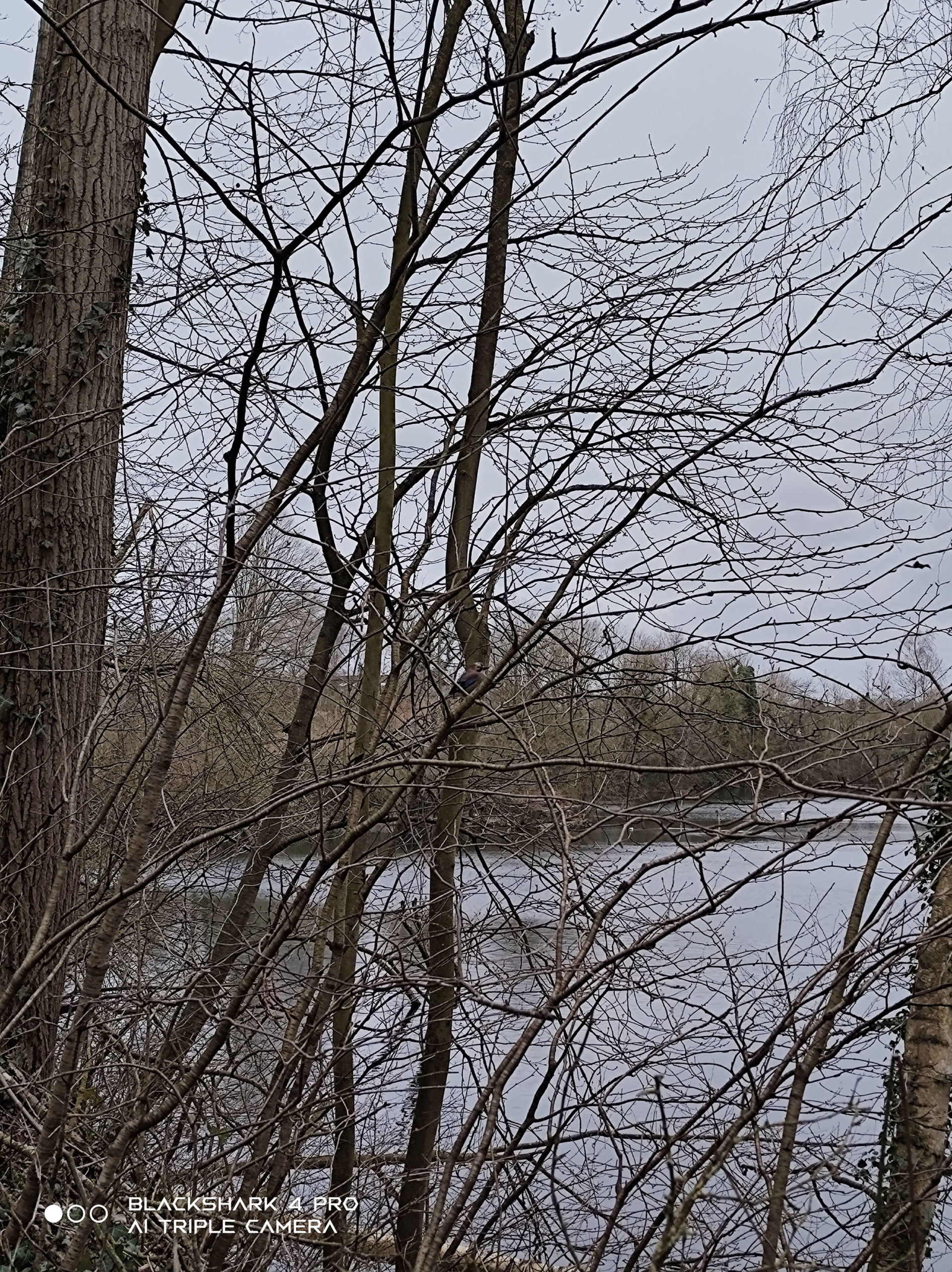
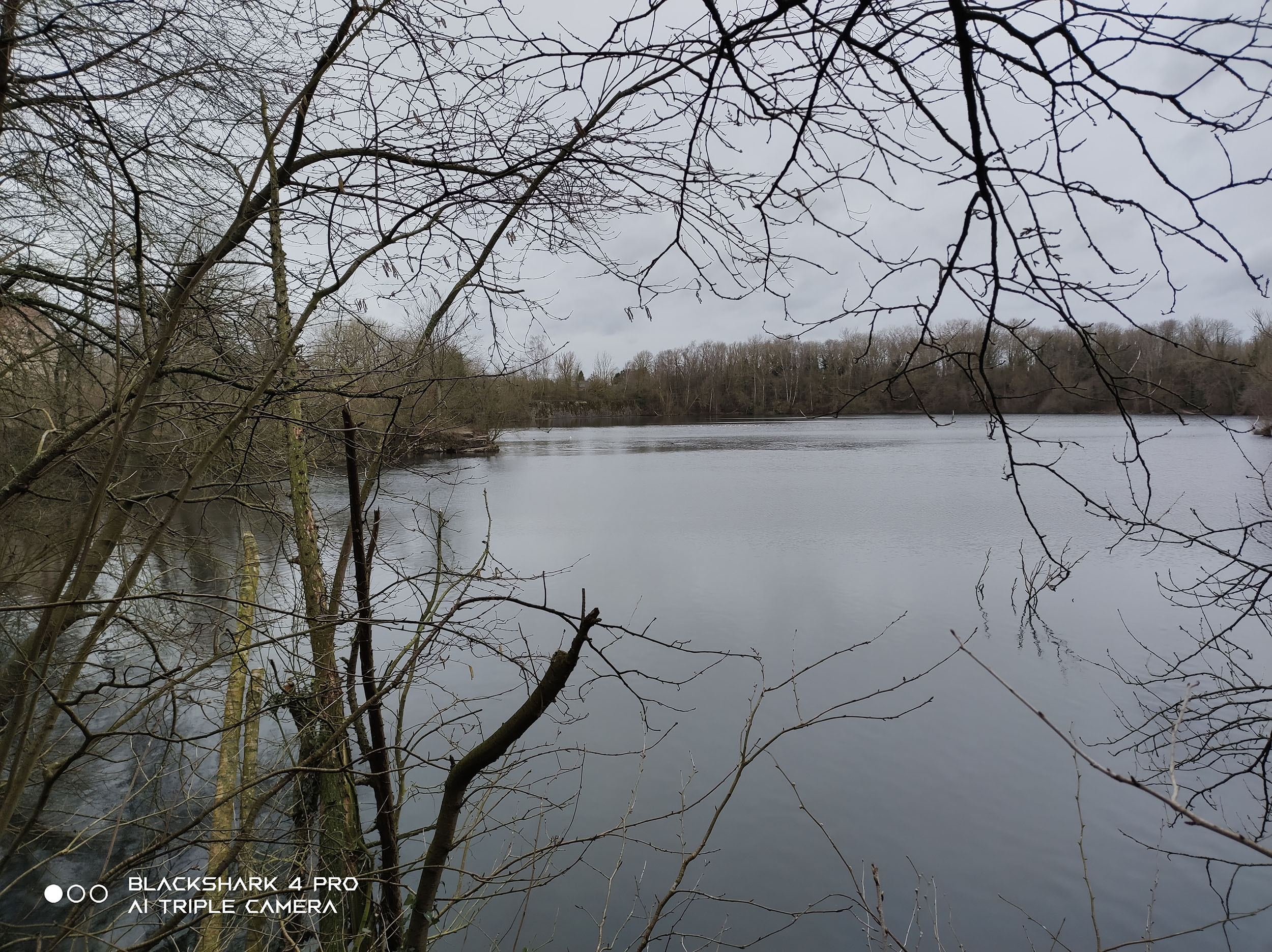

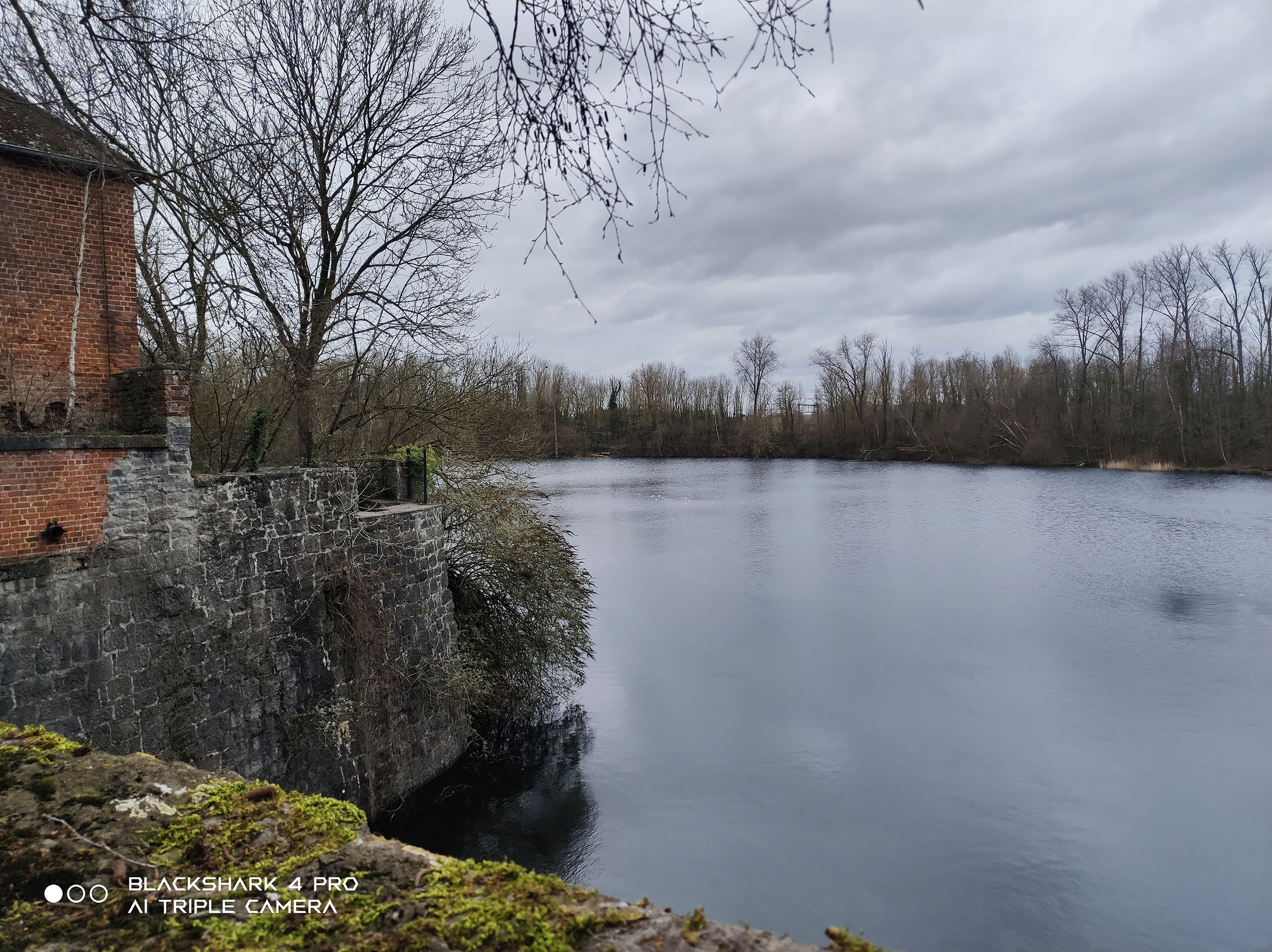
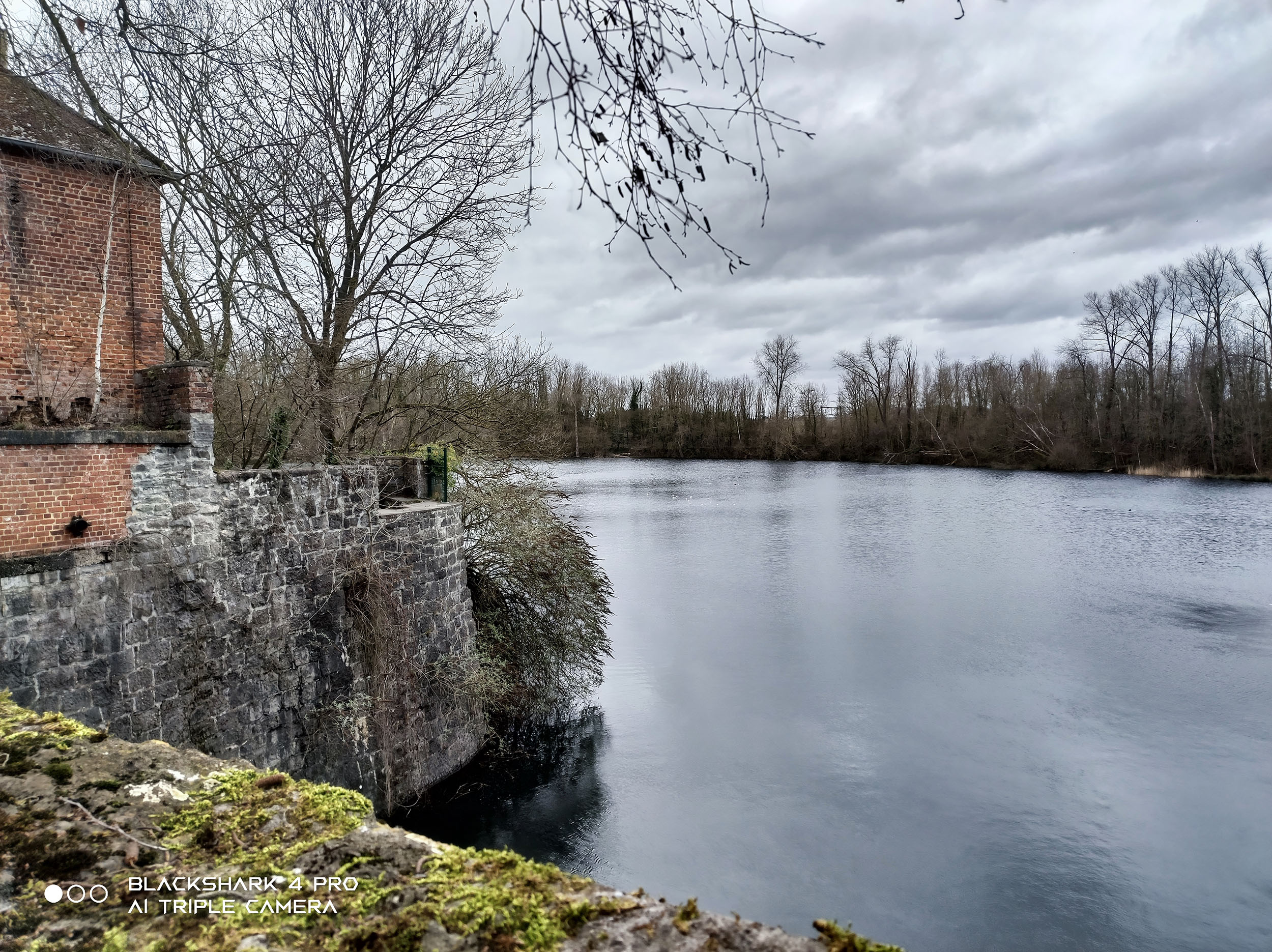
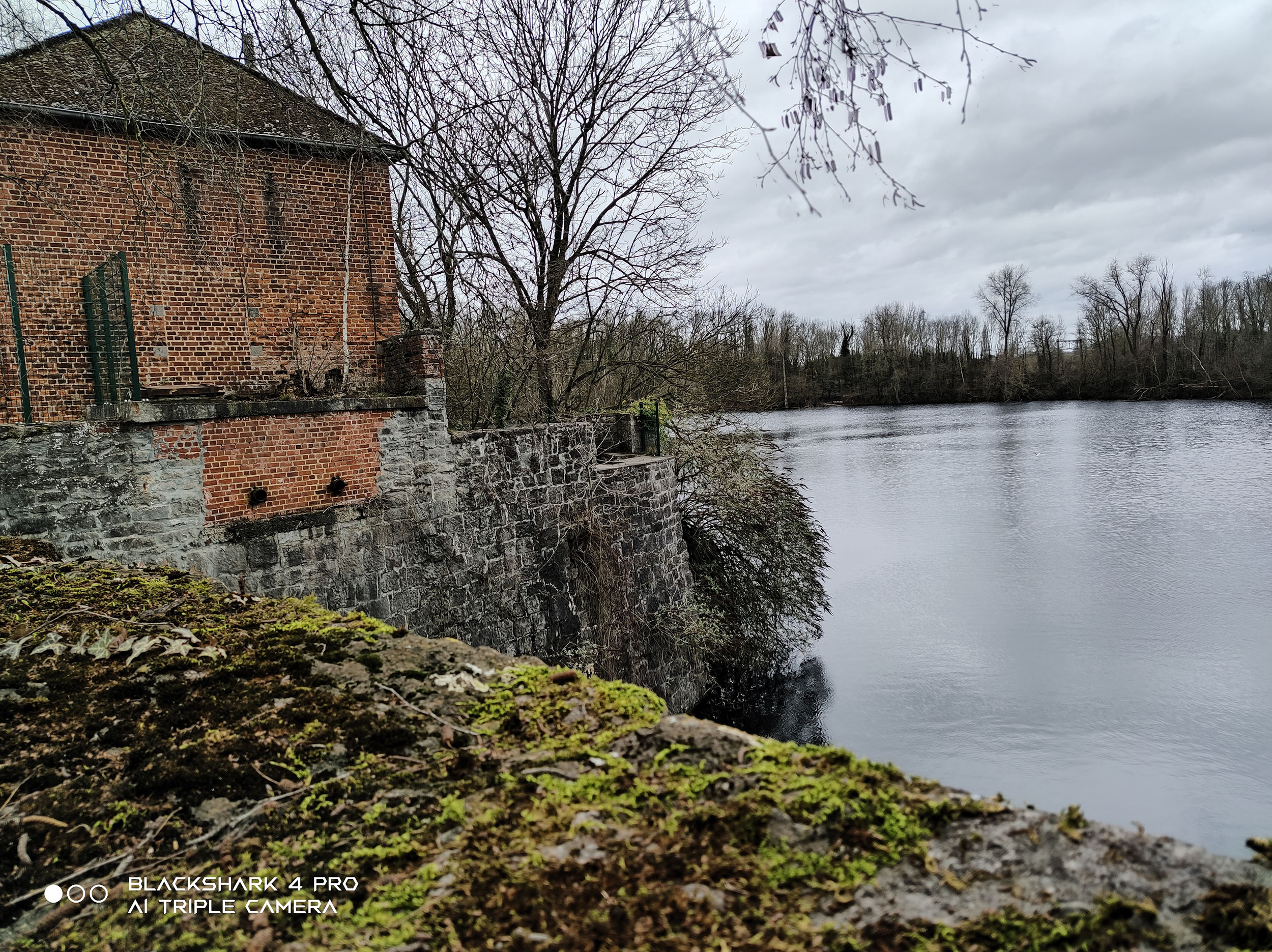
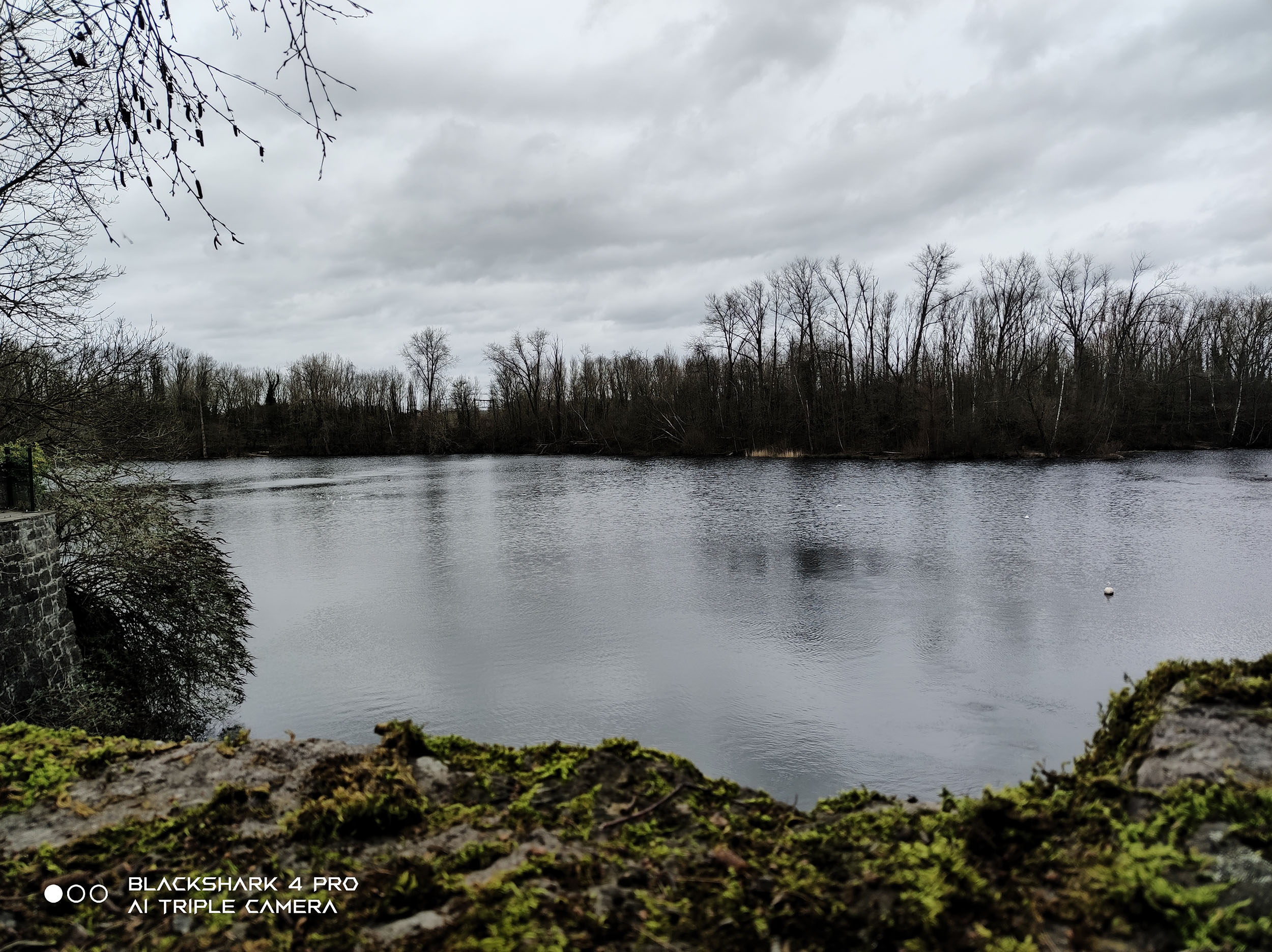
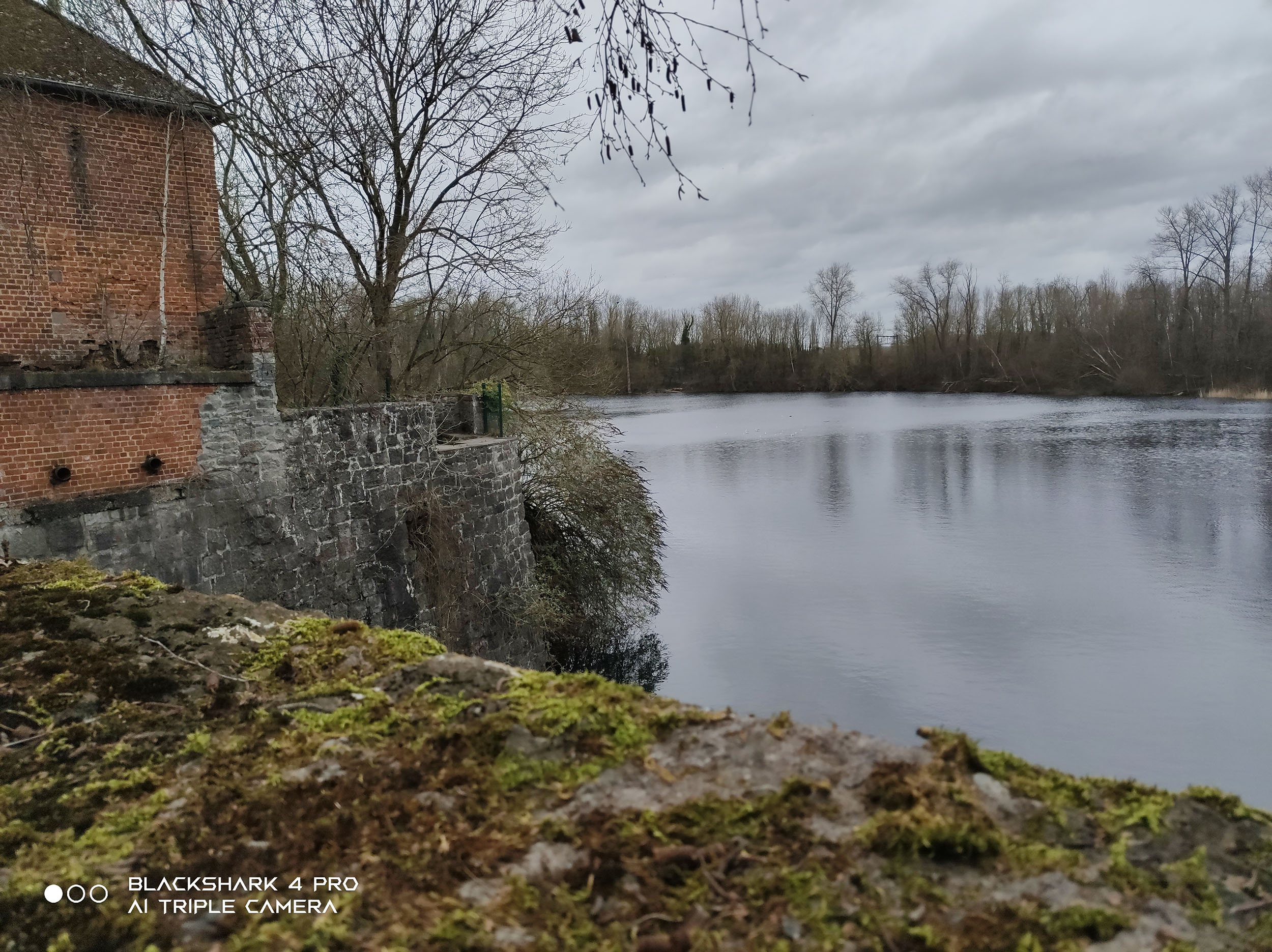

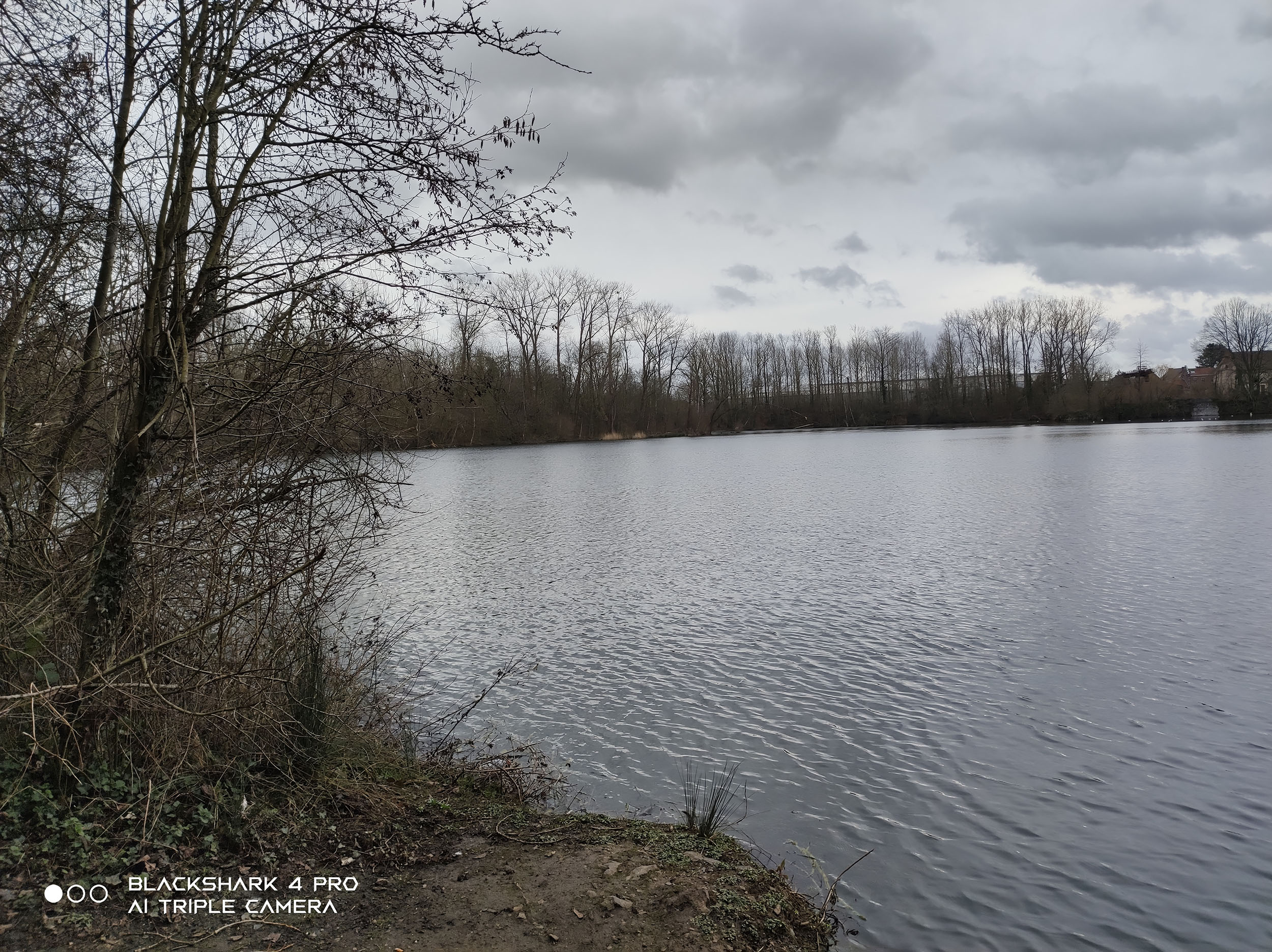
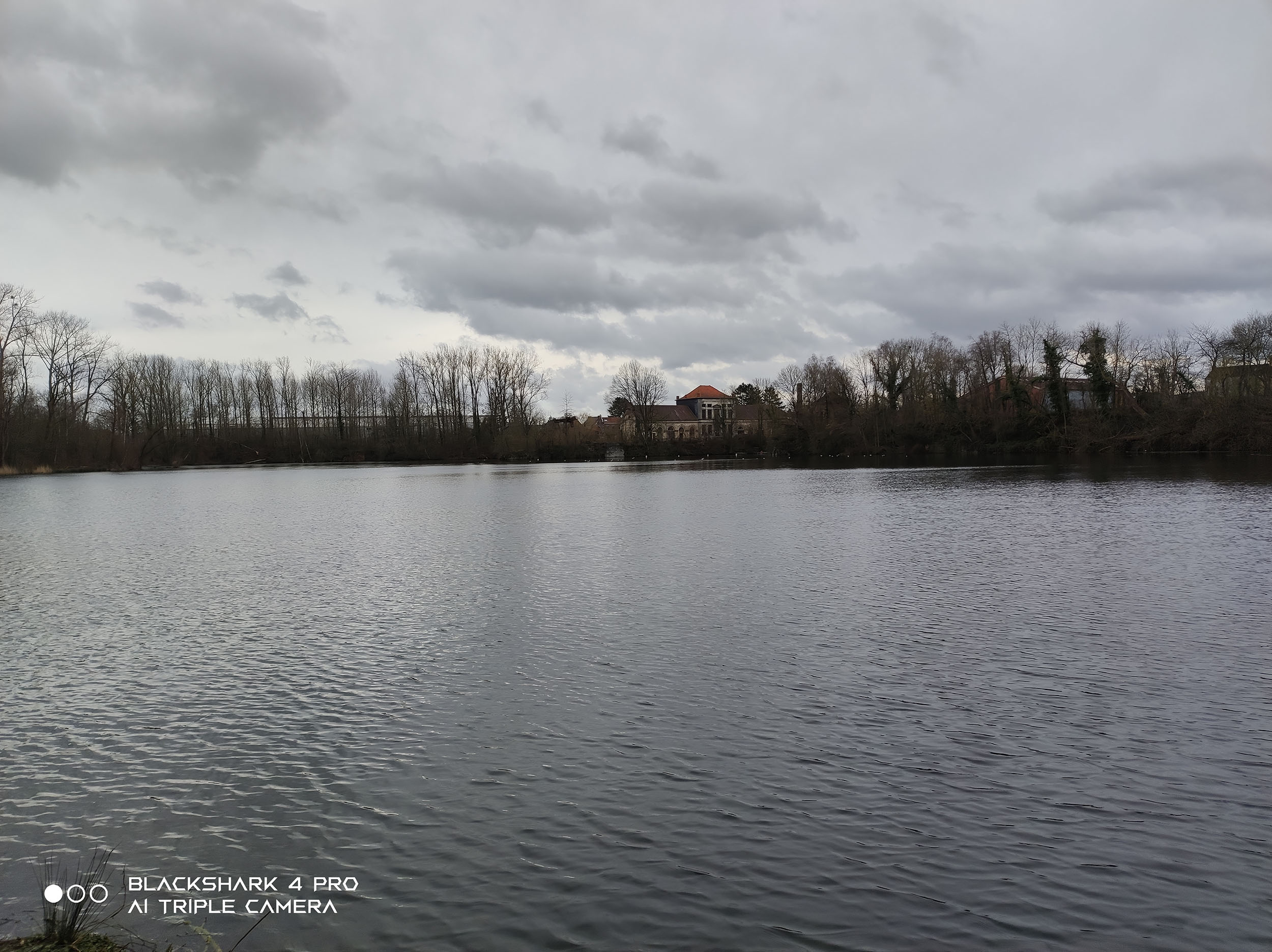
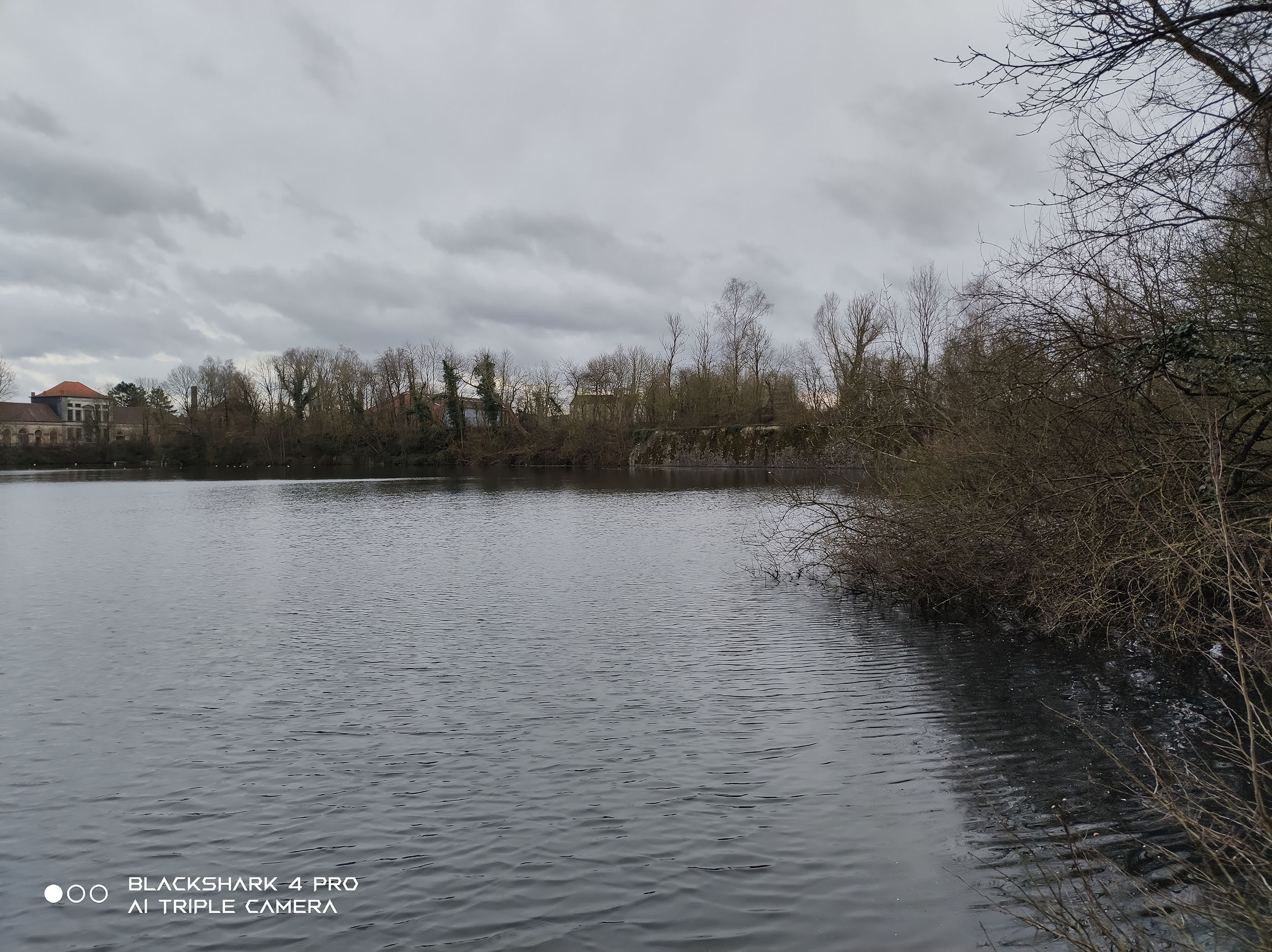
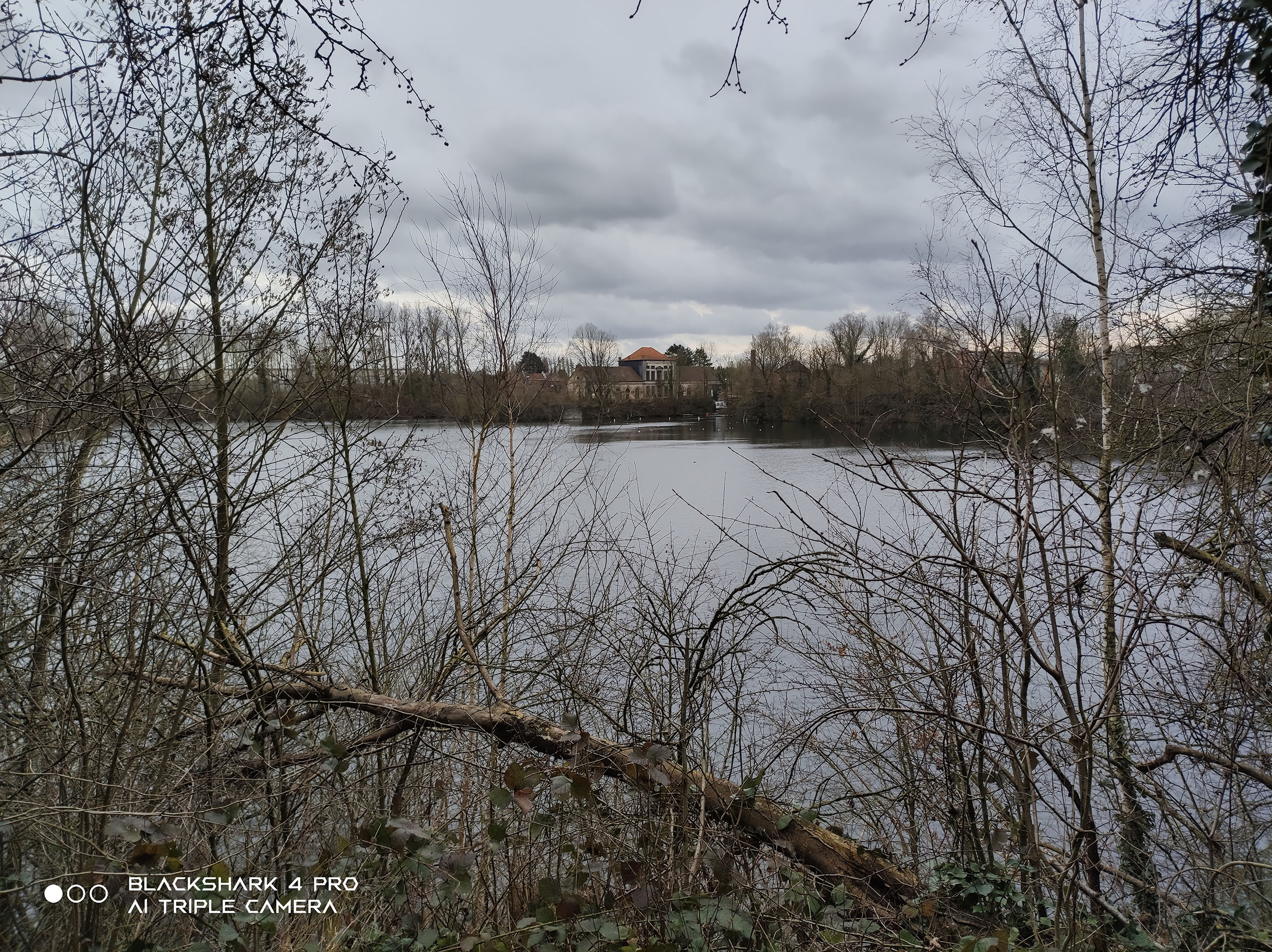

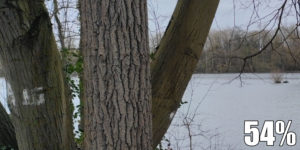
 The quality is not sufficient to make large format paper prints but the result is still quite interesting because it allows you to zoom quite far with a loss of detail but you don't completely lose the essence of the photo. There is an over-optimization of the sharpness which is paid in loss of quality but it is a rather promising result for the future.
 Sony IMX 355
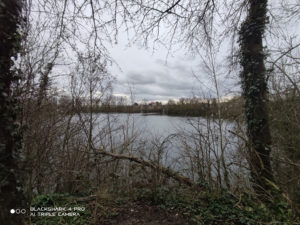 I have tested this sensor many times and it still amazes me with its ability to produce photos above average in the category of ultra wide angle sensors. The photo has many flaws such as underexposure or sharpness that deteriorates quickly, but the dynamic range is really good and the color rendering restores the atmosphere of the photo well. Test photo / night













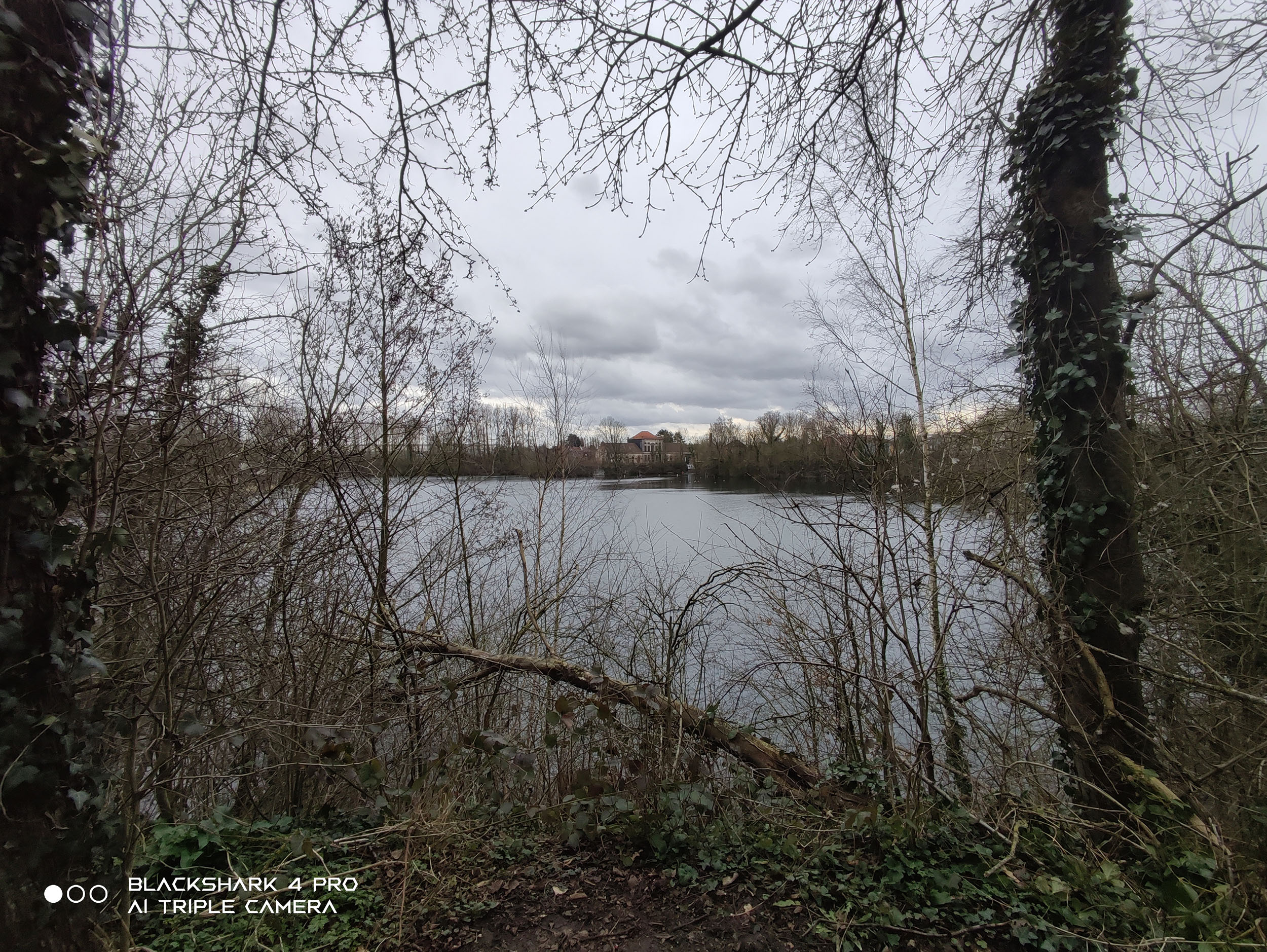
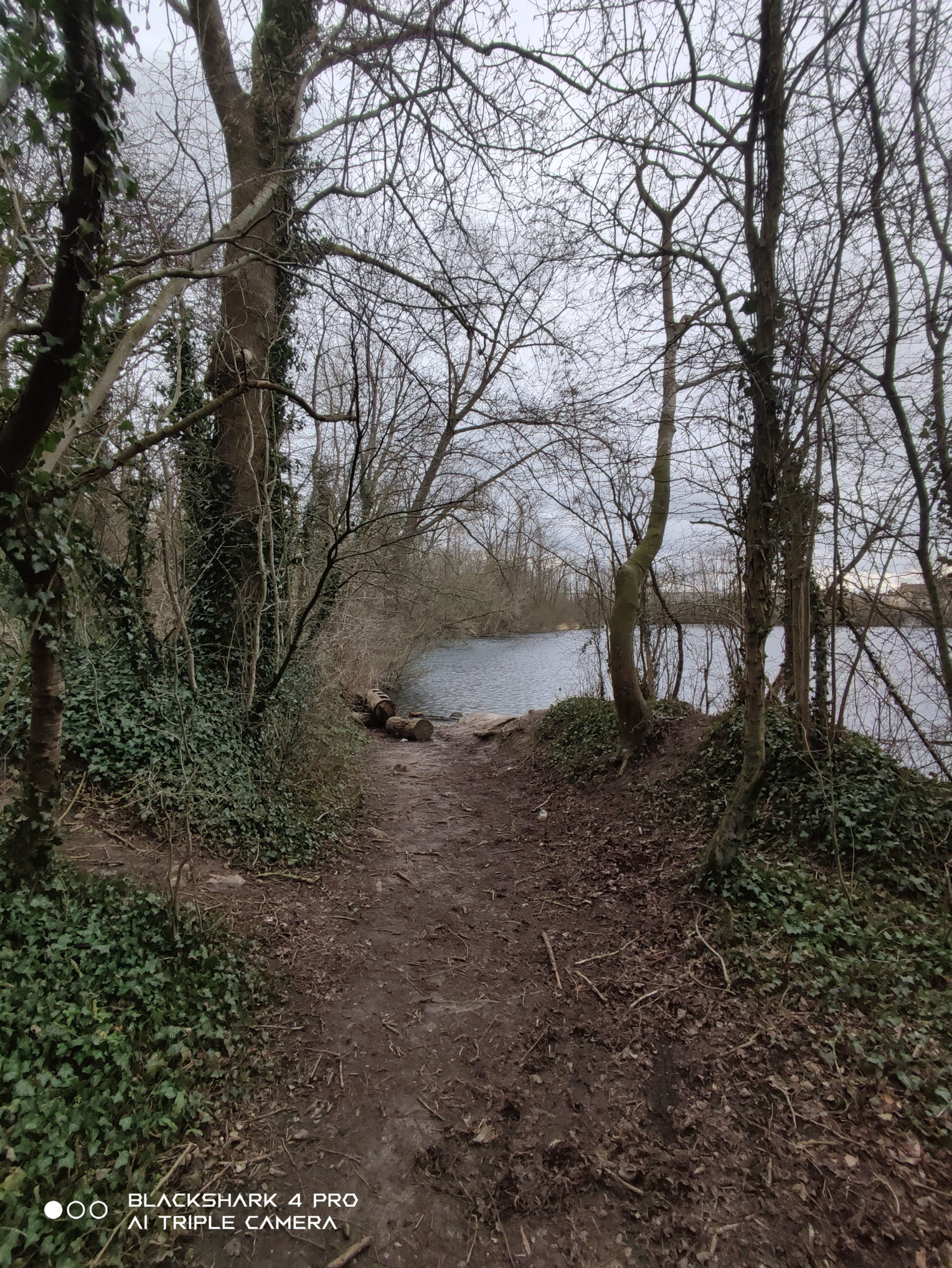
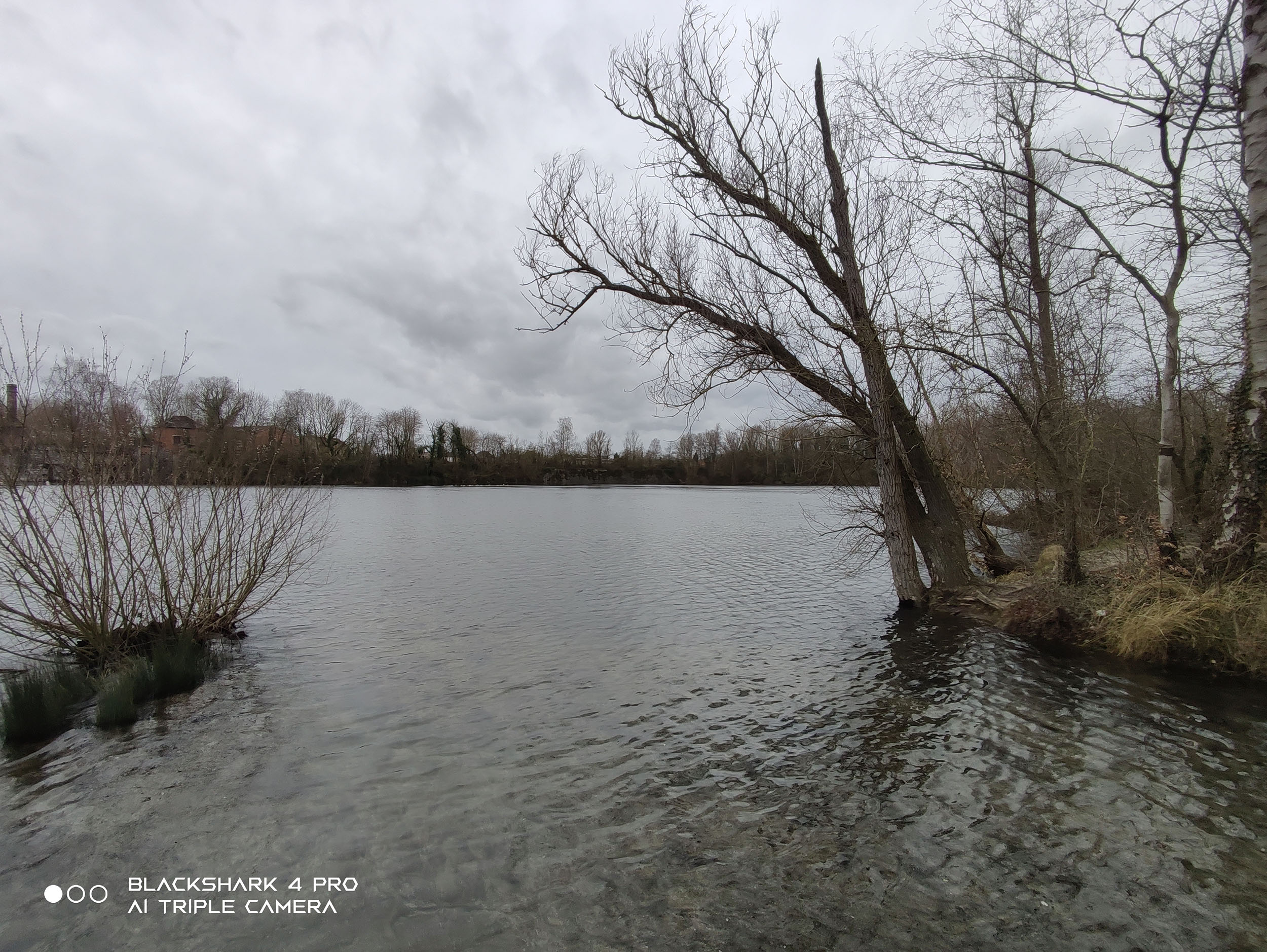
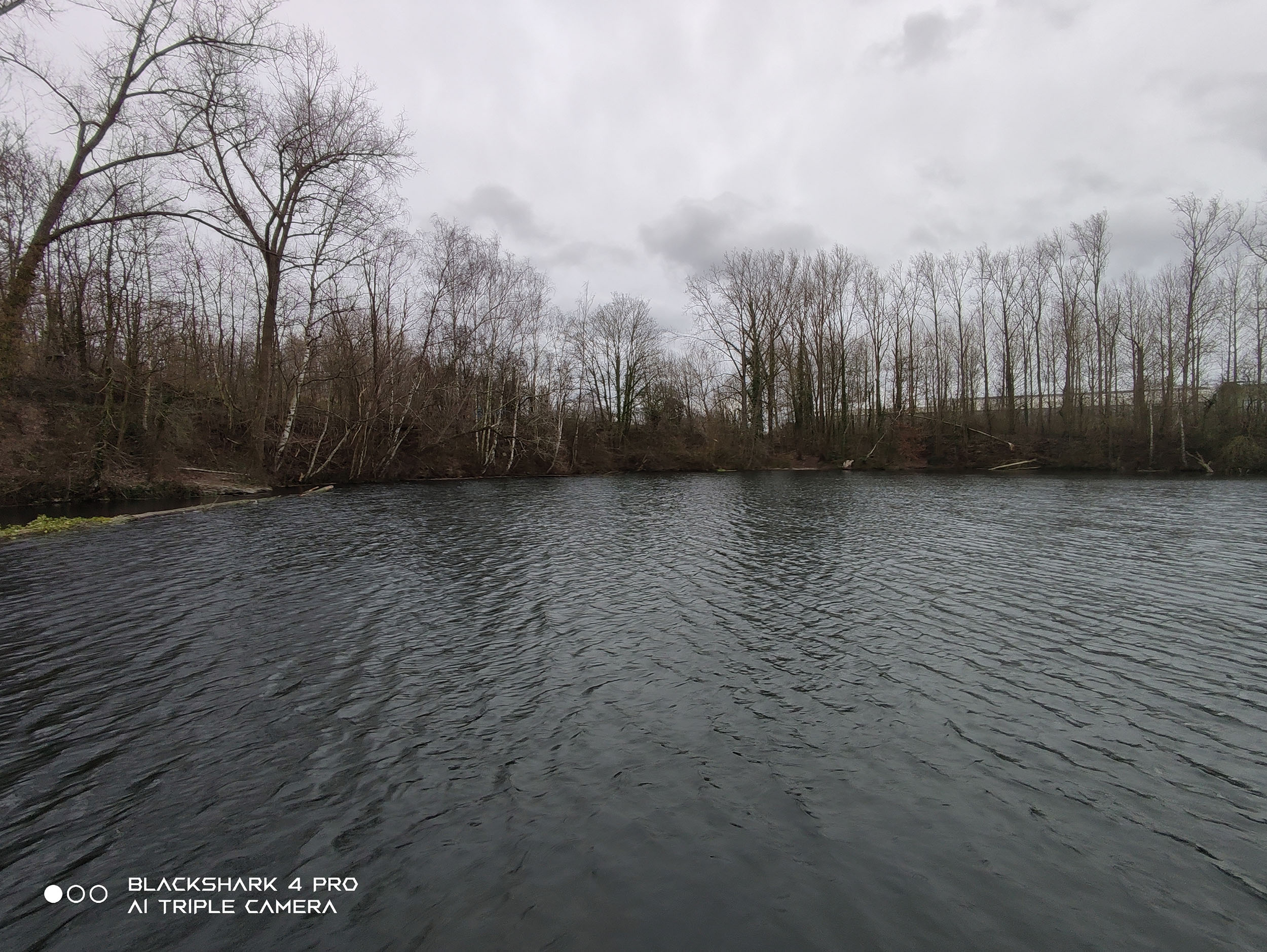
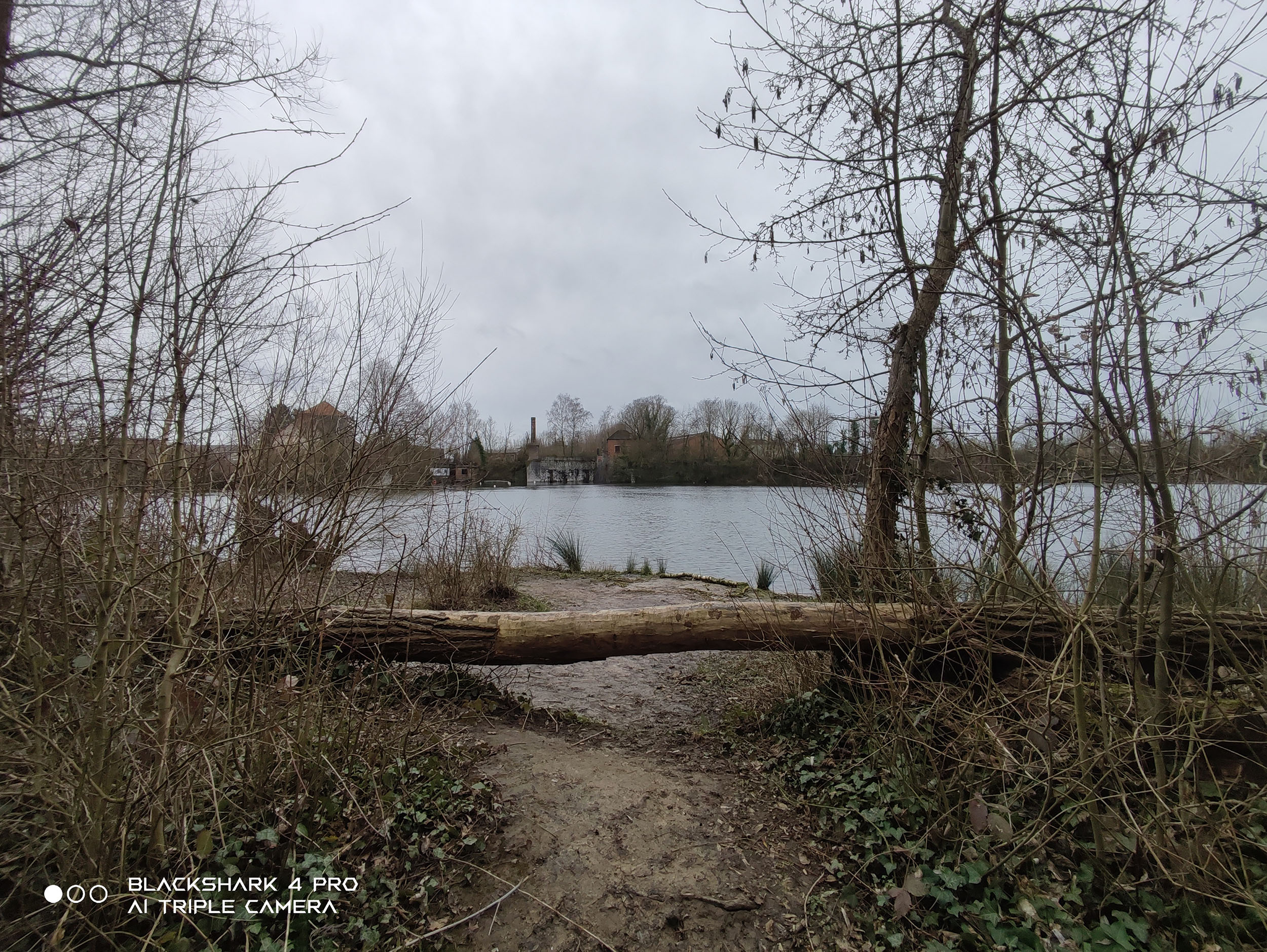
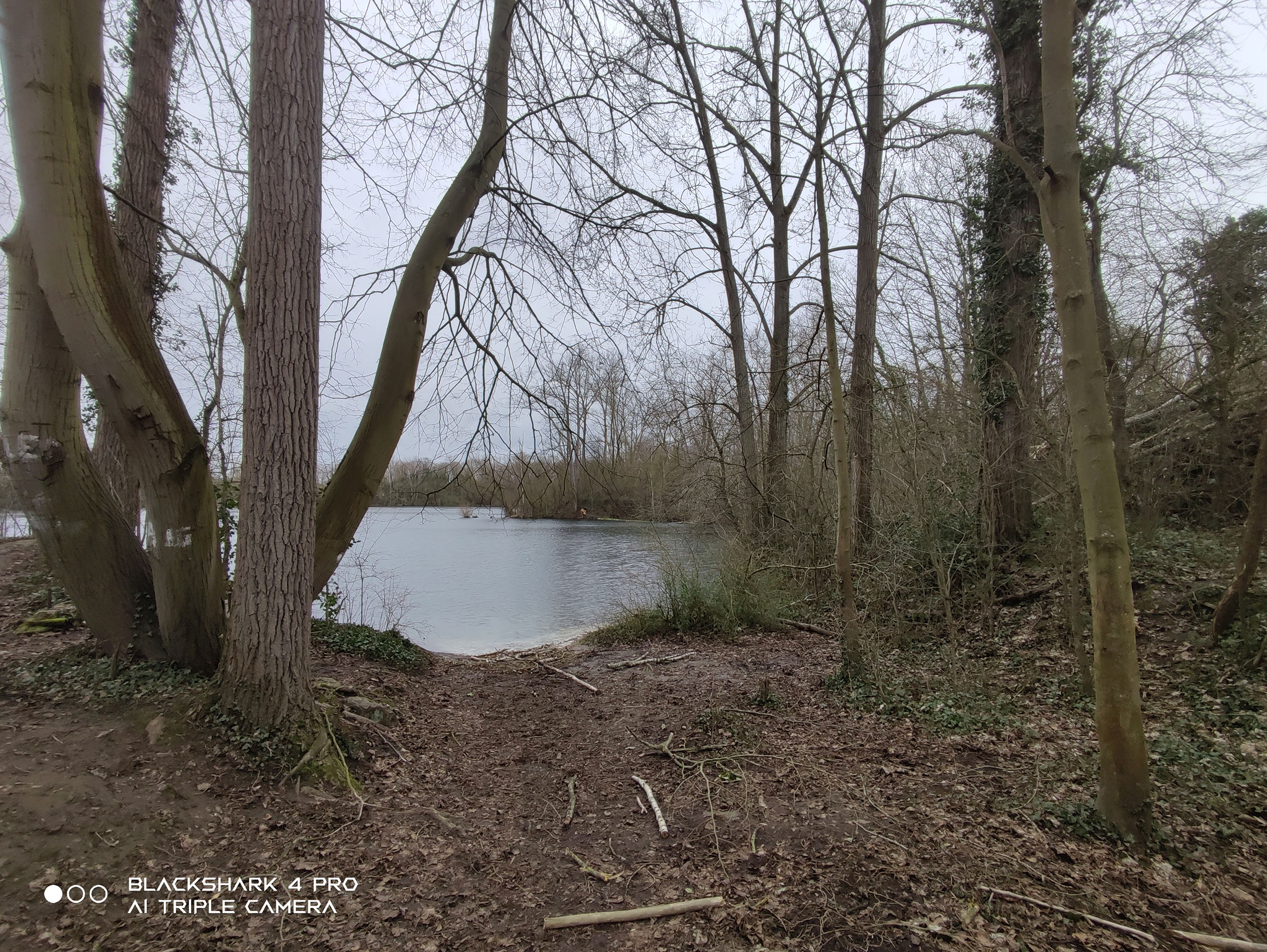
Not yet available / tested
Video quality
Stabilisation The Black Shark 4 Pro is able to effectively stabilize a 4k 60fps video, it's quite rare but not surprising because this phone has the power to stabilize a 4k image. This stabilization manages to make a large part of the vibrations disappear, as if I were using an external stabilizer. We just still see a little shaking effect with each step but compared to the actual shaking, there is a world of difference.Video normale conditions The Black Shark 4 Pro is capable of producing videos in 4k 60 fps. The video I used in this paragraph was not made in ideal light conditions but we can still see what this phone is capable of. The video is of very good quality, the fluidity is perfect, the exposure changes are very fast and it's the same thing for the focus. The Black Shark is so powerful that it handles transitions without problems. I see that the sharpness undergoes a treatment sometimes a little too forced but you really have to be careful to see it.Video low lightNot yet available / tested
External audio quality
This test is intended to give you an overview of the volume and sound quality during calls and when listening to music through the external speakers. The Black Shark is equipped with 2 external speakers placed at the top and bottom. These speakers produce good quality sound for this type of speaker, the bass is present and it does not come at the expense of the treble. The sound is also louder than average. The placement of these speakers should also allow interaction with the triggers to play without obstructing the sound output. The quality of the sound produced by these speakers is clearly above average but is comparable to what is found on the top of the range at Samsung.The call volume is also above average because it easily exceeds 60 dB without using the loudspeaker, it can go beyond 80 db if you use the loudspeaker. The sound here is also of good quality, the sound does not push the treble too much as is often the case.
Audio quality (headphones)
To test the quality of the phone's audio output, I connect the device's audio output to a measuring tool, then play sounds on all frequencies and measure the differences between the original sound and the sound produced by the phone. In this way I measure the phone's ability to correctly reproduce all sounds. Sound quality is one of the selling points of this phone and I was quite surprised to see what came out of my technical test. The measurements indicate a sound that is not very powerful and with many distortions on all frequencies. If I listen to these frequencies by ear, I actually perceive something that is not very natural, but on the other hand if I play music, the sound is good. The phone doesn't seem to interpret the test sounds that I use very well. So my verdict will be more subjective than usual. The volume is indeed low as indicated by my technical test because even if I push the volume to the maximum, I do not have a sudden desire to remove the headphones. The sound quality on the other hand seems really excellent, I tested quality soundtracks on YouTube and compared them with several other phones and the Black Shark delivers a sound with a nice depth and a good distinction between sounds (as much on the bass than the treble).Screen quality
To test the screen, I use a colorimetric probe that measures the color accuracy of a screen, as well as other parameters to see if a screen is able to correctly reproduce an image. I also test the brightness level to determine if the screen will be able to display an image in full sunlight. Colorimetry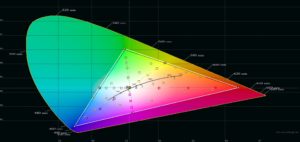 The screen of the Black Shark is an amoled screen offering infinite contrast and a high frequency of 144hz. I was therefore expecting an excellent score in terms of colorimetry but that's not quite the case, I got a good score with a dE of 2.2 but I tested many entry phones from range that do better. To get this score I had to choose the standard mode and drag the white slightly to the top left to bring the white to a temperature of 6487K (ideal = 6500K) because the basic white had a temperature of more than 7500K. You should not see the color difference after standard mode adjustments and white adaptation.
Brightness / Contrast
I measured infinite contrast as on most amoled screens, this will give you excellent image depth with truly black blacks. I then measured the brightness of the screen in sunlight mode to see how high the phone could go, but I couldn't get above 484 cd/m². I tried to flood the sensor with light but I guess the light sensor was not placed on the front and in reality this phone is probably capable of doing better. If the sensor is located at the back, it makes it difficult to send light to the back and use the probe on the screen. With 484 cd/m² you should be able to use the phone outside in the sun, but ideally it would have needed a little more brightness to ensure perfect readability in all conditions. Depending on the position of the light sensor, this brightness could therefore be better but I was unable to locate the sensor.
Biometry
The Black Shark is equipped with a fingerprint sensor on the side and unsurprisingly this sensor works very well and is very fast like everything else in this phone.Operating system
Black Shark phones have their own operating system based on Xiaomi's MIUI interface, this interface is called JOYUI and takes the basics of MIUI by adding some specific features. The video below takes the outline of JOYUI and the one below focuses on features specific to Black Shark: When playing, you can access all kinds of features to improve your in-game experience. You can also use a virtual assistant like Microsoft's Cortana. These are features for advanced gamers as for most other users the in-game performance will be sufficient and there will be no need to play with these additional settings.Encoutered bugs
Not yet available / testedAccessories
Compare with the others
Test / Review conclusion
If I had to sum this phone up in one word, I'd say it's brutal. Its external appearance already sets the tone, it was a massive and thick telephone from which emerges an imposing impression, an impression of solidity. This impression does not stop there because this phone is equipped with the best in terms of CPU and GPU but it does not stop there. I had already tested this CPU/GPU combination on the Realme GT but the Black Shark goes a step further to leave the Realme GT out on many other factors.The Black Shark is the gamer's phone and it's not only a question of power, it's also a question of format. Two magnetic triggers are installed on the right side of the phone to allow the phone to be transformed into a gamepad. It is also possible to associate accessories with it to further improve the gaming experience. The Poco brand does not go that far in its gamer orientation. The operating system also offers gamer features that can be invoked while you play. This Black Shark is therefore aimed at a rather hard core mobile gamer audience, but I would find it a shame to limit this phone to this audience. I'm not a hard core gamer on mobile so these triggers and this format are not useful to me but everything else ticks all the other boxes of this test.
The Black Shark 4 Pro has a good photo sensor that does very well in difficult conditions, it produces good videos in 4k 60 fps with stabilization, it is able to rotate the Gcam app if you want to use it in night mode with very long exposure. It may not be the best camera but it is clearly at the top of the list.
Performance is not only expressed with the CPU or the GPU, I have benefited from it on several other levels. First there is the UFS 3.1 memory which allows quick access to RAM and the whole daily experience of the phone is accelerated. I am also thinking of the wifi with its 8 antennas which offers very good sensitivity and also an enormous download speed.
The screen is also part of this set of overabundance of good things. It could probably have been a little better calibrated and brighter but it is of very good quality, it has a frequency of 144Hz.
The sound has also been optimized and if you're a fan of music, listening with headphones will give you an above-average experience. Sound through the speakers is also better quality than most phones in this price range.
And the battery? The charge is super fast with its 120W, I had never had such a fast phone before. Its autonomy is on the other hand in the average, it is perhaps the weakest point of the phone without really being a weak point, the fast charge makes it possible to quickly recover a fully charged phone.
Does this phone have any weaknesses? Yes, but these are not problems that are likely to darken the picture. I did not find the light sensor or it is not effective, it's a shame. The battery could have offered more autonomy but this phone is so powerful that I am neither surprised nor disappointed. The phone is heavy and imposing but you have to put all these components somewhere. After the calculation of the final score, the Black Shark 4 Pro comes to occupy the top of the ranking by dethroning the Realme GT. In this price range, it will establish itself as a reference phone and not just for gamers.Strengths
Brutal performance
Wifi speed and sensitivity
Network sensitivity
Sound quality
Memory speed
Operating system with overlay for gamers
Photo/video quality
Battery charging speed
Weaknesses
Average GPS signal
Screen brightness
Power
Impressive
Alternatives to this product
The Realme GT is undoubtedly the most credible alternative compared to the other phones I've tested, but the Black Shark surpasses it on several elements, including the photo, because the Realme applies a much too aggressive sharpening treatment, which makes the unnatural photos. The score of this test indicates the sum obtained by individual tests on specific elements, it does not mean that one phone is better than another for your situation. You must look at the criteria that interest you to compare them and make your own score. It is therefore possible that the Realme will come out a winner on elements such as its design for example.


A question? A remark? Feel like shouting? (not too loud)